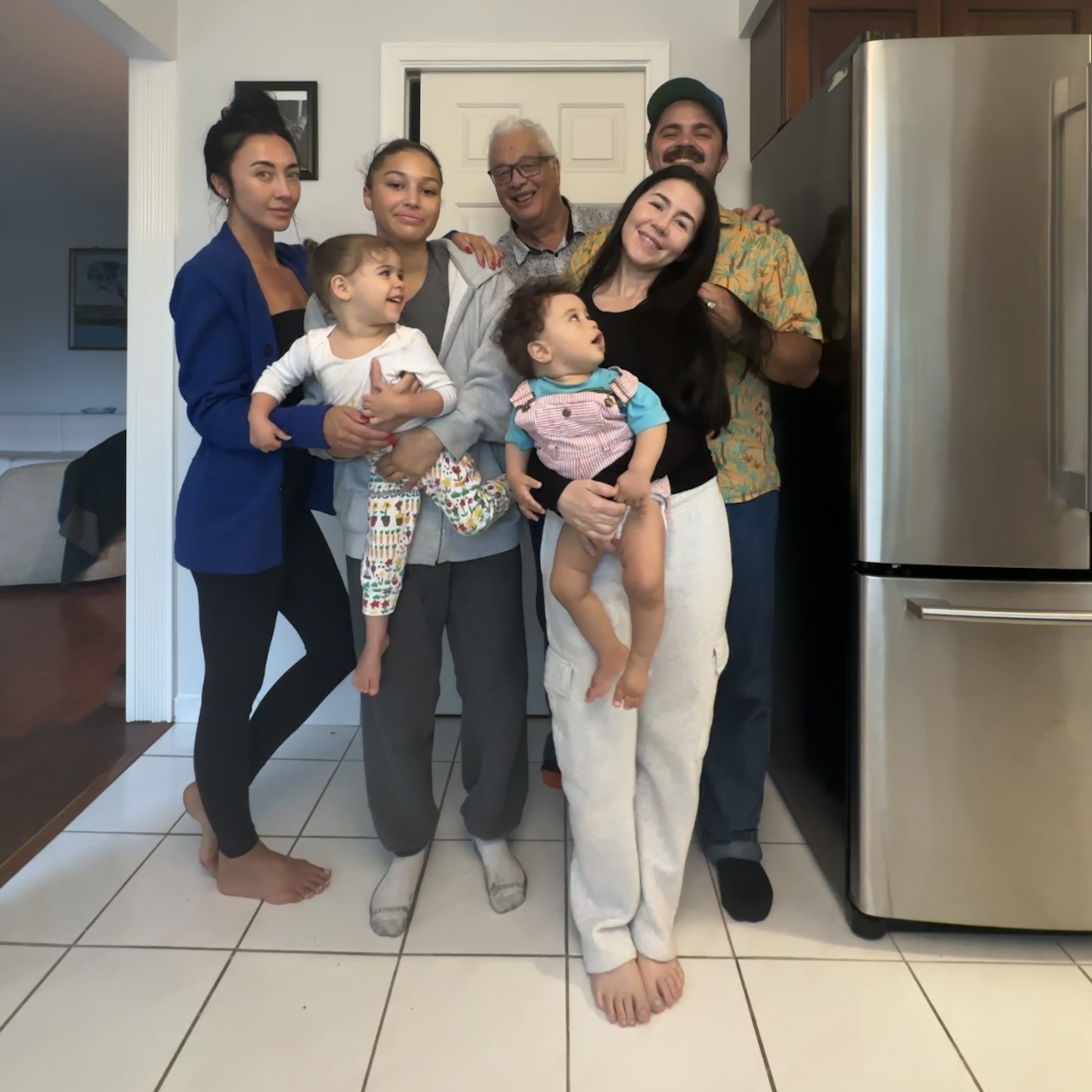
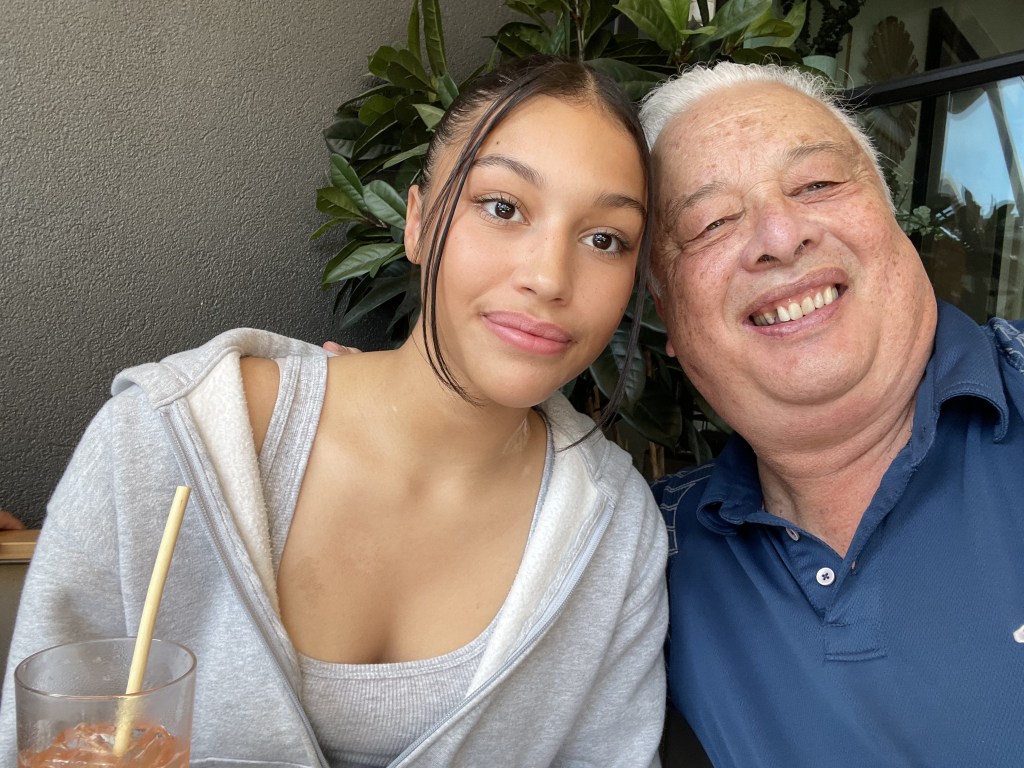
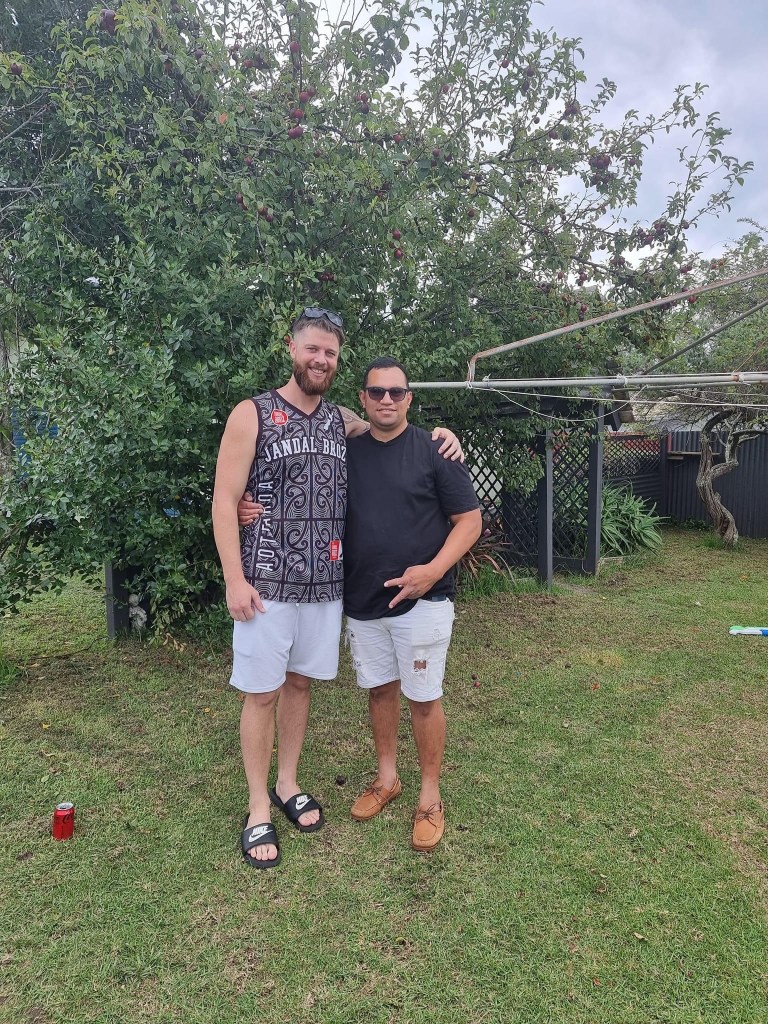
During my recent travels to Vancouver, BC, Canada, I took some whānau-time and connected, for the first time, the mokopuna for my mom’s first cousin, Uncle John, and his wife, Aunty Mimi Boynton.
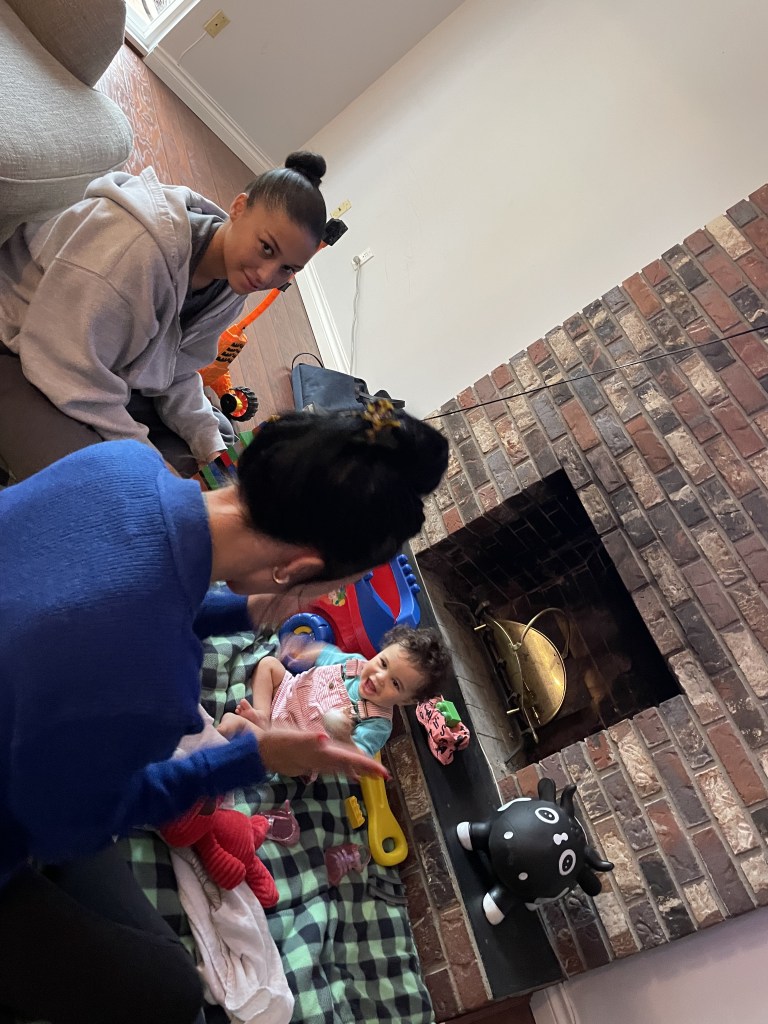
Awanui’s Whānau: Allison, Mere (Hinewai’s daughter) holding Jude, Hinewai holding John and Angus
Awanui and I were pen pals back in the day (maybe in the late 1960s), exchanging letters, stories, and memorabilia from our respective countries of residence.
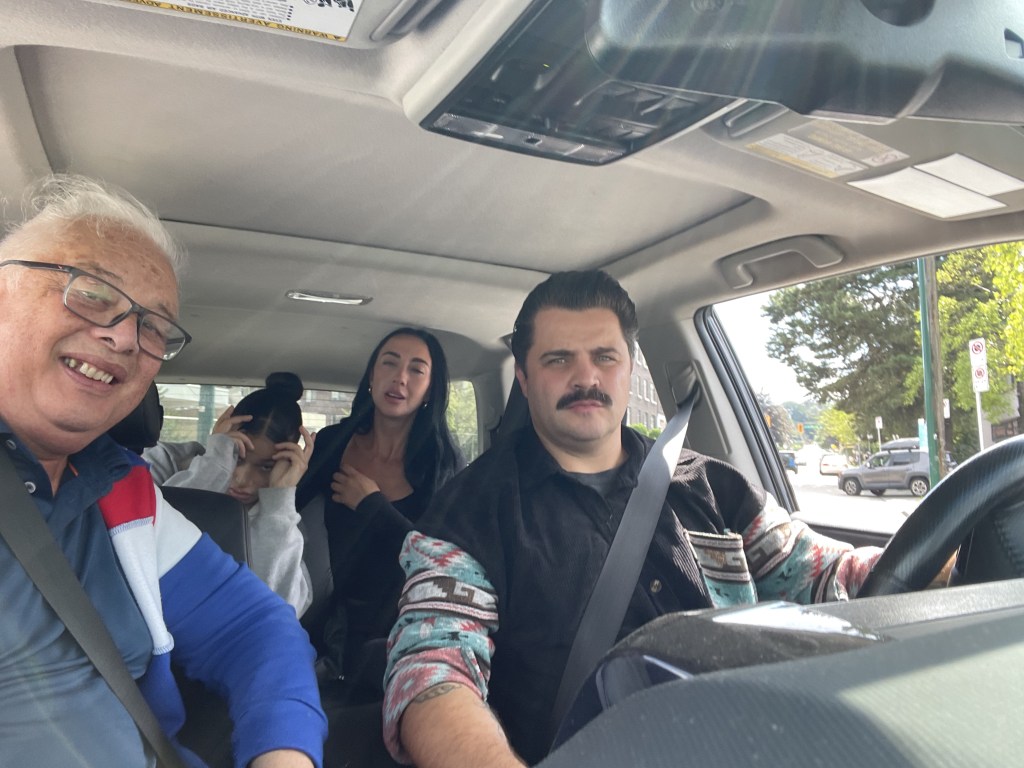
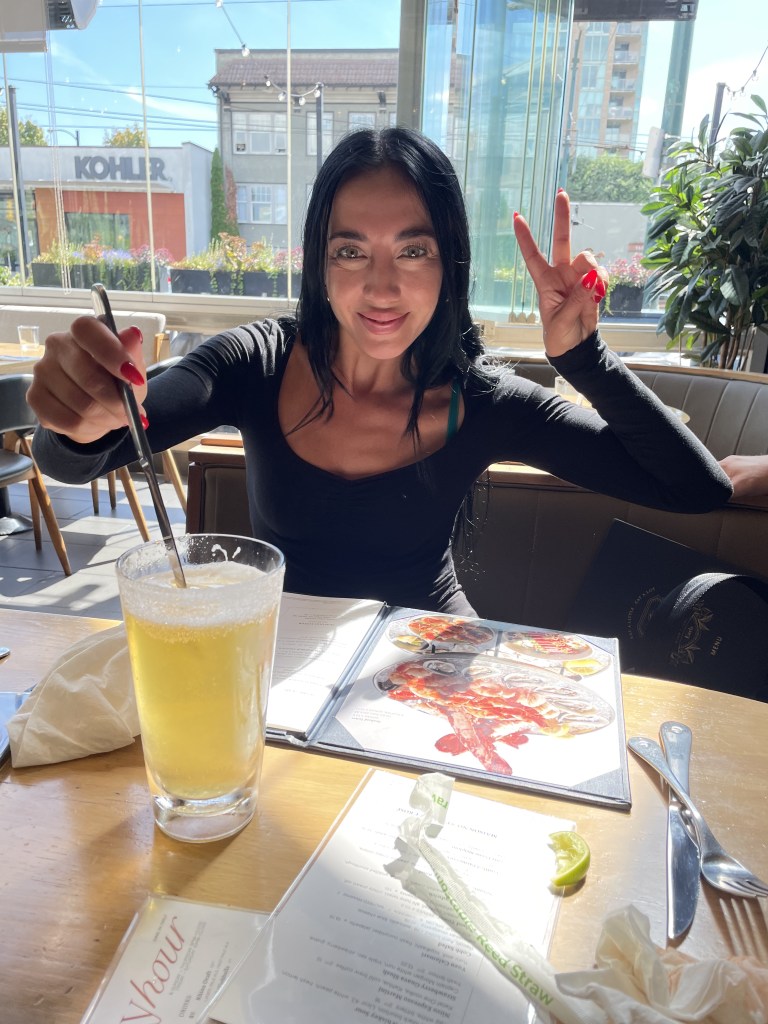
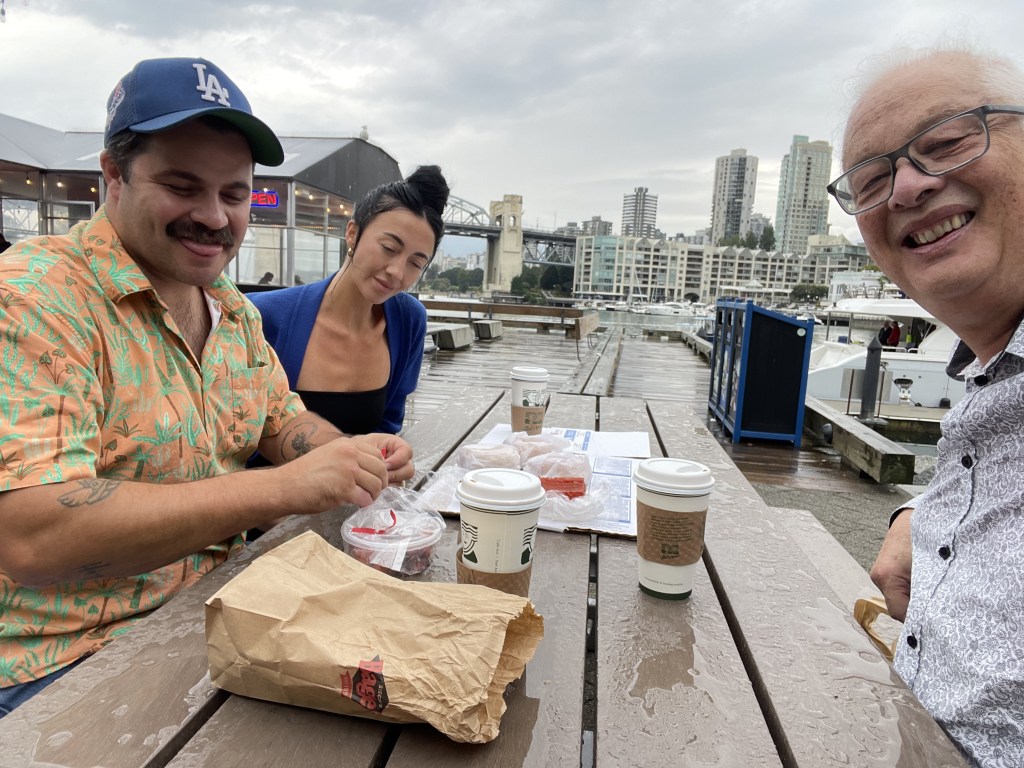
Day 1: Mon 26 Aug 2024: Allison, Mere, and Angus came to pick me up at Vancouver airport—off to lunch, let the party begin. Yak, yak, yak as if there were no tomorrow. Putting the whakapapa connections together and creating new memories.
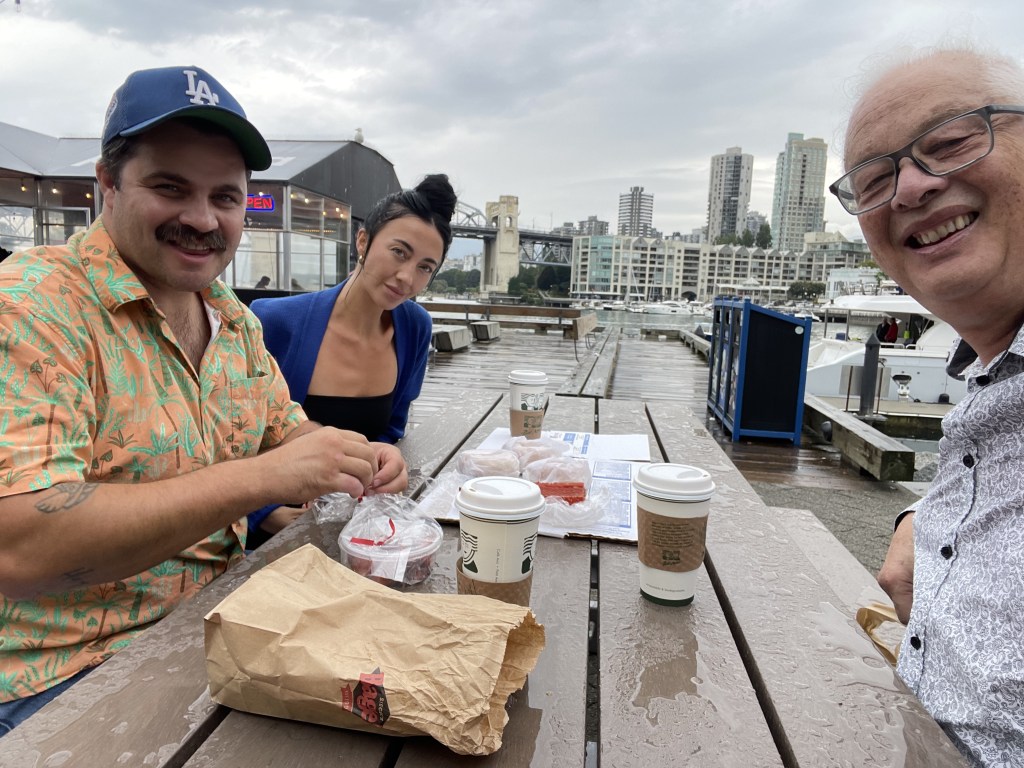
It was off to do a little bit of sightseeing, off for a walk around the harbour
Then it was off for a quick catch-up with Hinewai and her whānau.
Left to right: Curtis, John and Hinewai
Dinner was shared with Curtis’ bother, Travis and Susan
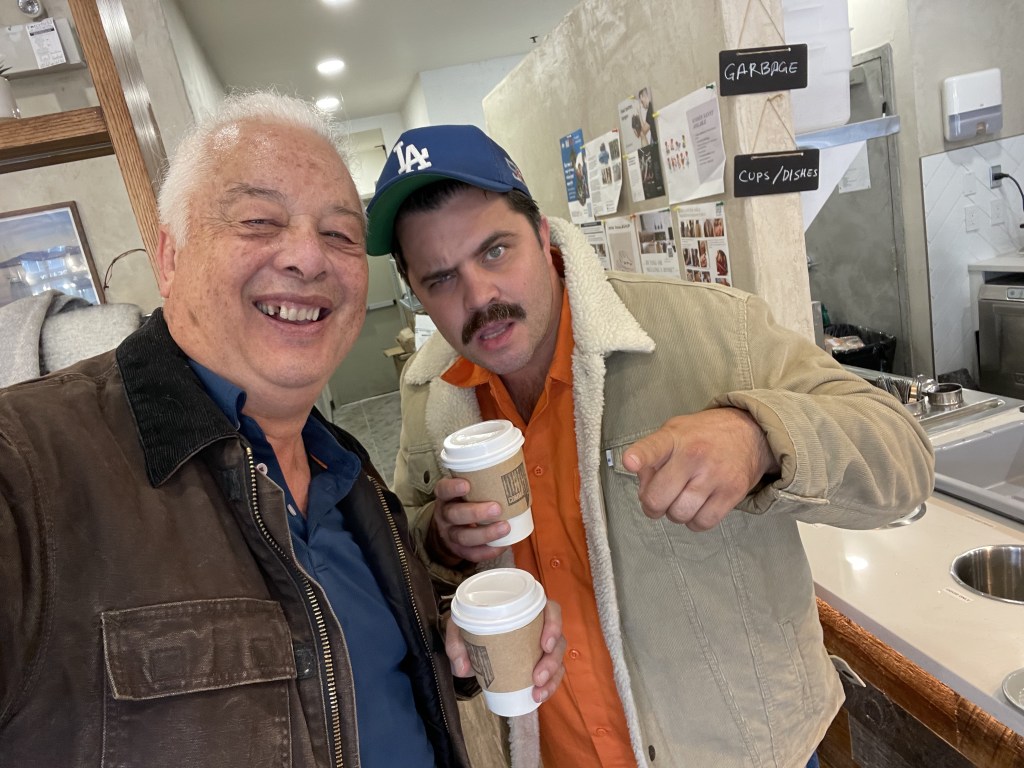
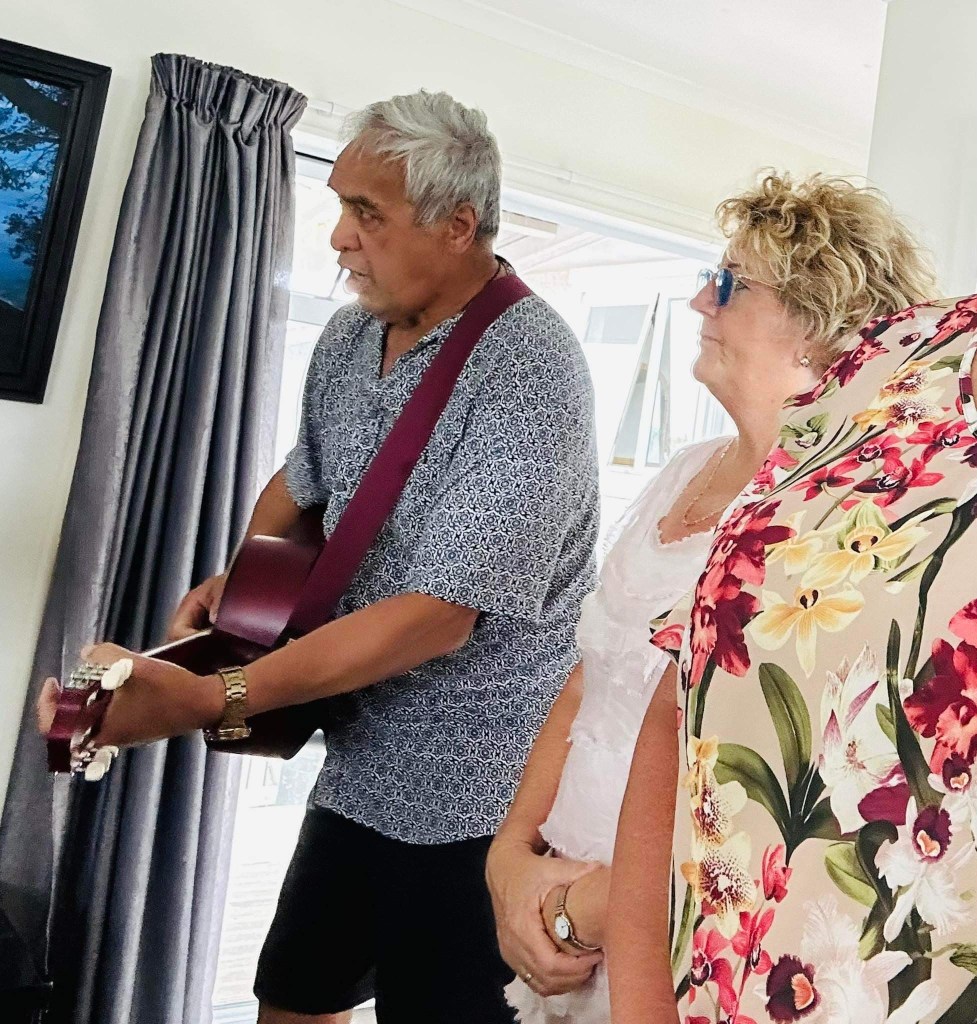
Day 2: Tuesday, 27 Aug 2024: The following morning started with coffee, more yakking and Angus jammin’
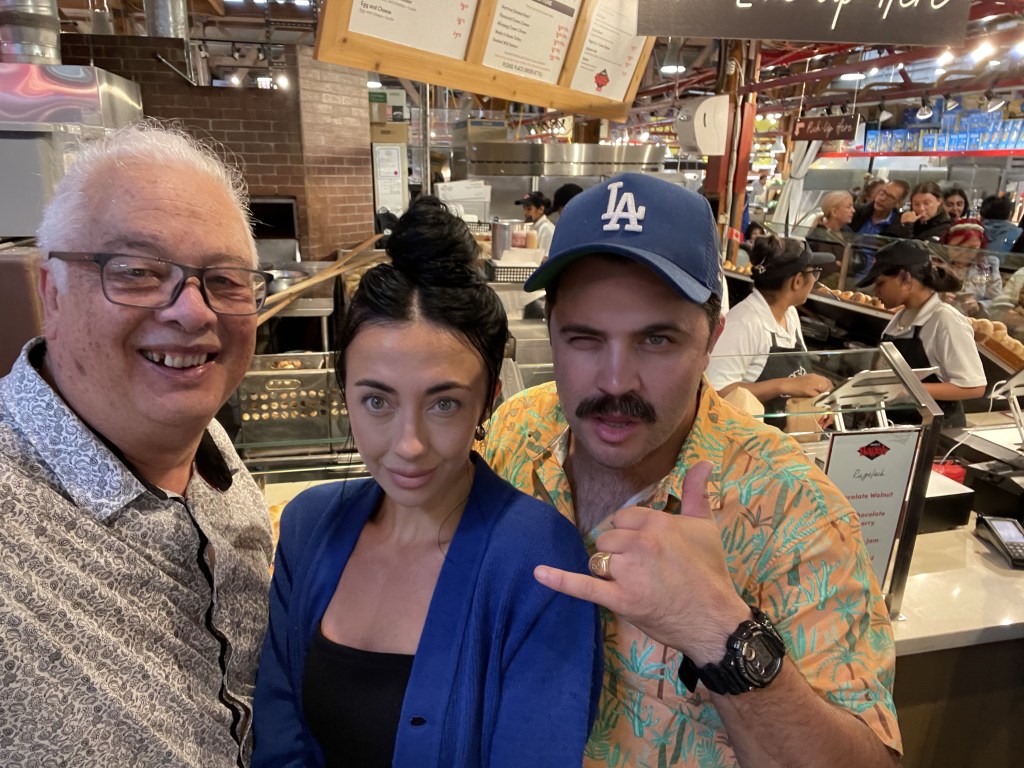
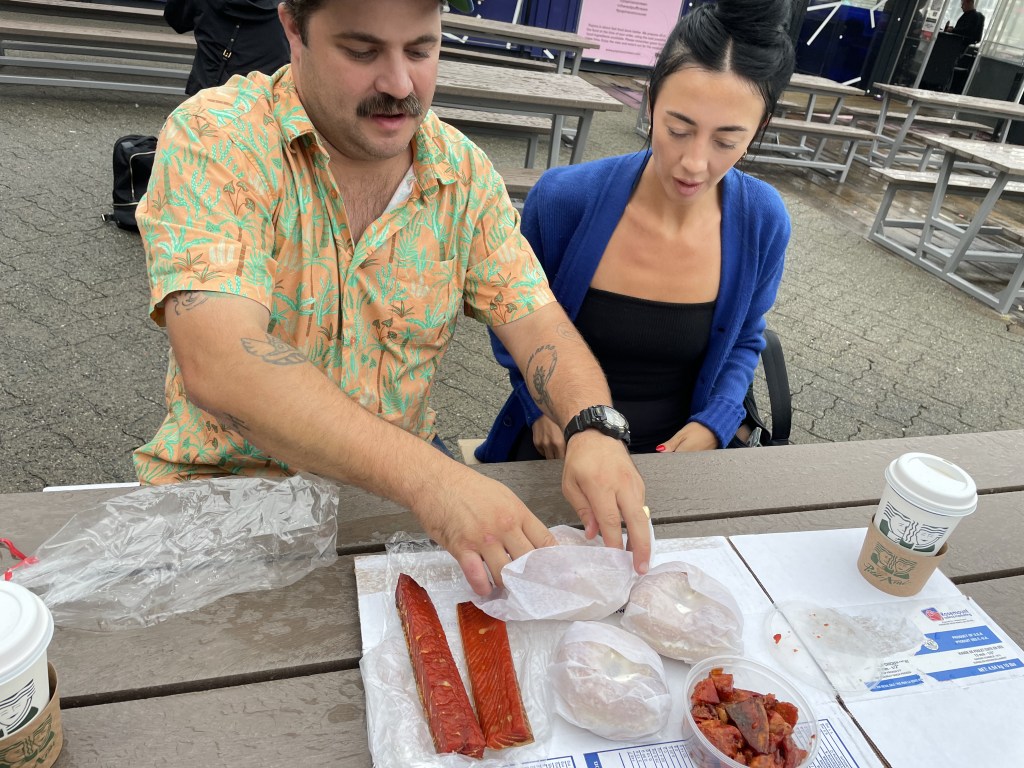
Next port of call, a visit to the Granville Island Public Market for some shopping, bagels and more yakking
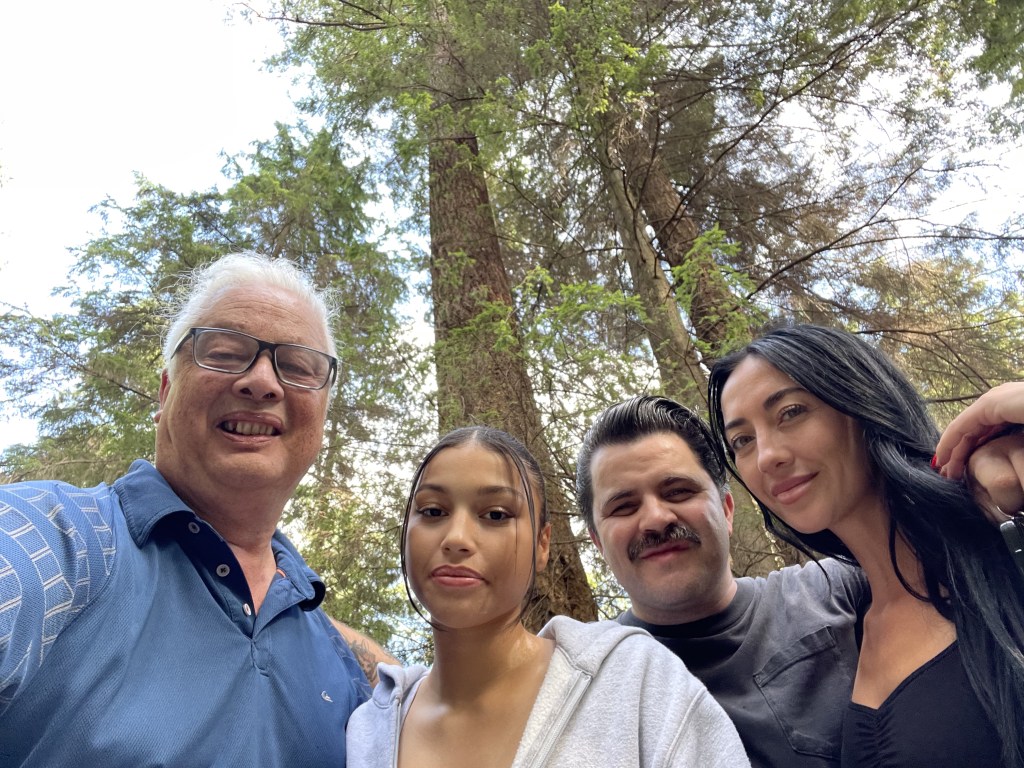
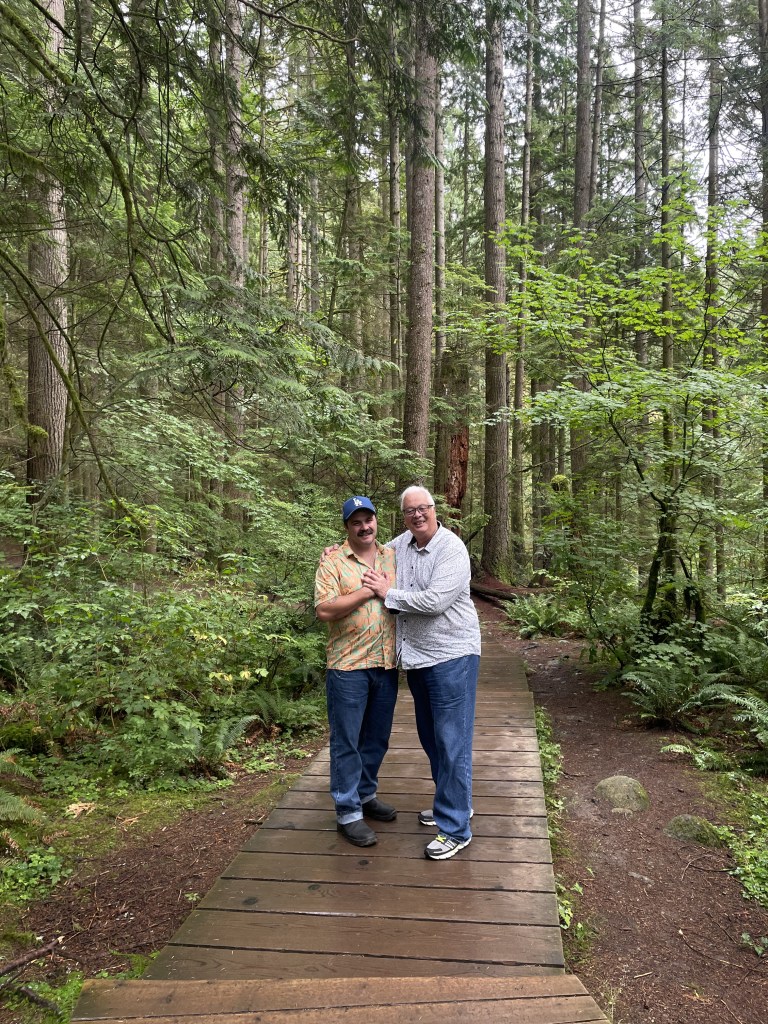
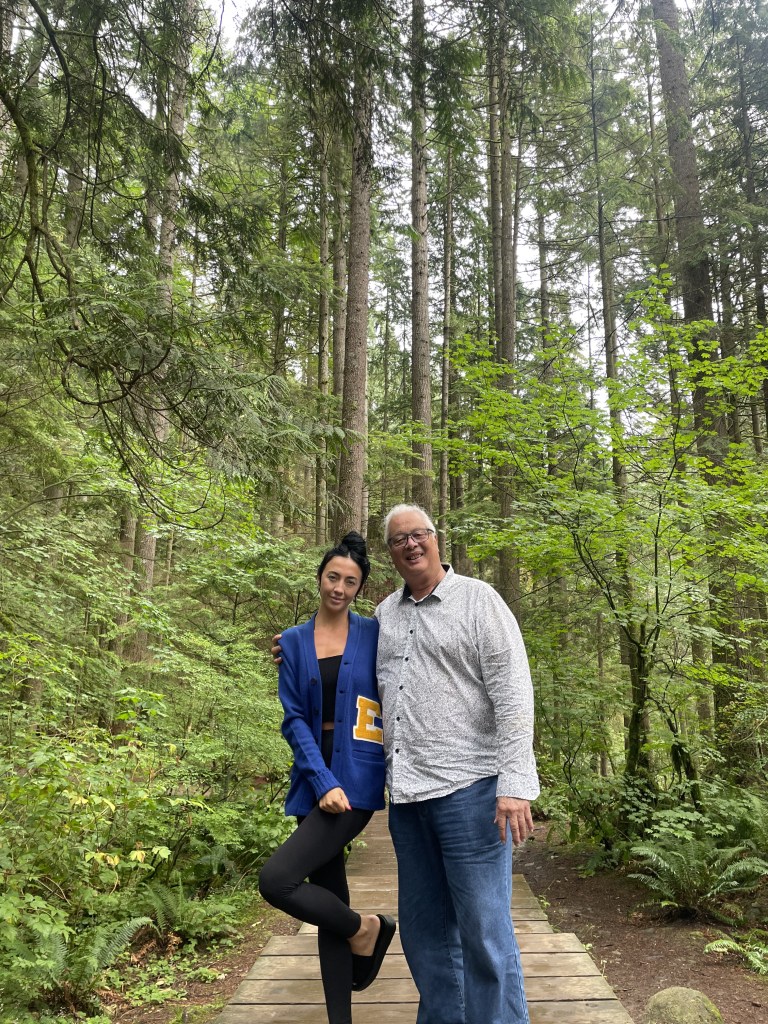
It was then time to walk our lunch off, so off to Lynn Canyon Park, where Papatūānuku was at her finest…
We went and had lunch with Hinewai, and then it was time to bid farewell. Thanx heaps for your hospitality and love; see you fullas later
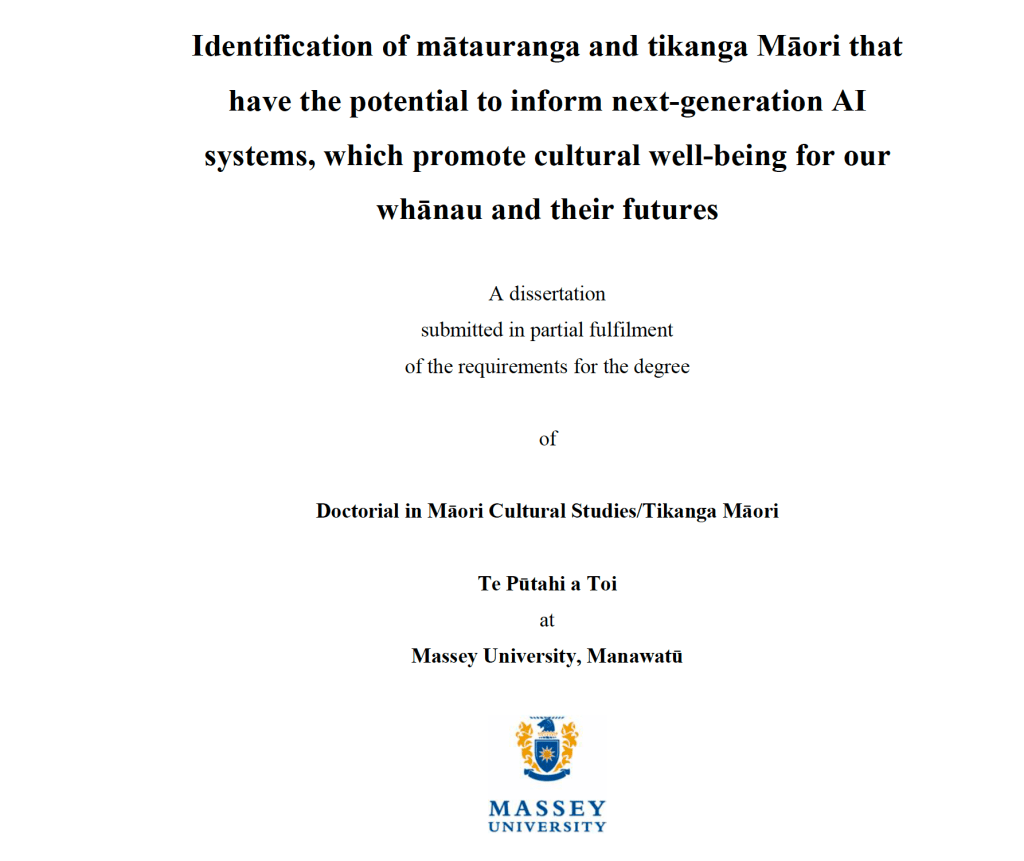
Our research wanted to identify Māori guidelines that can be woven into algorithms that will inform next-generation Māori AI systems, which will promote cultural well-being for our whānau and their future.
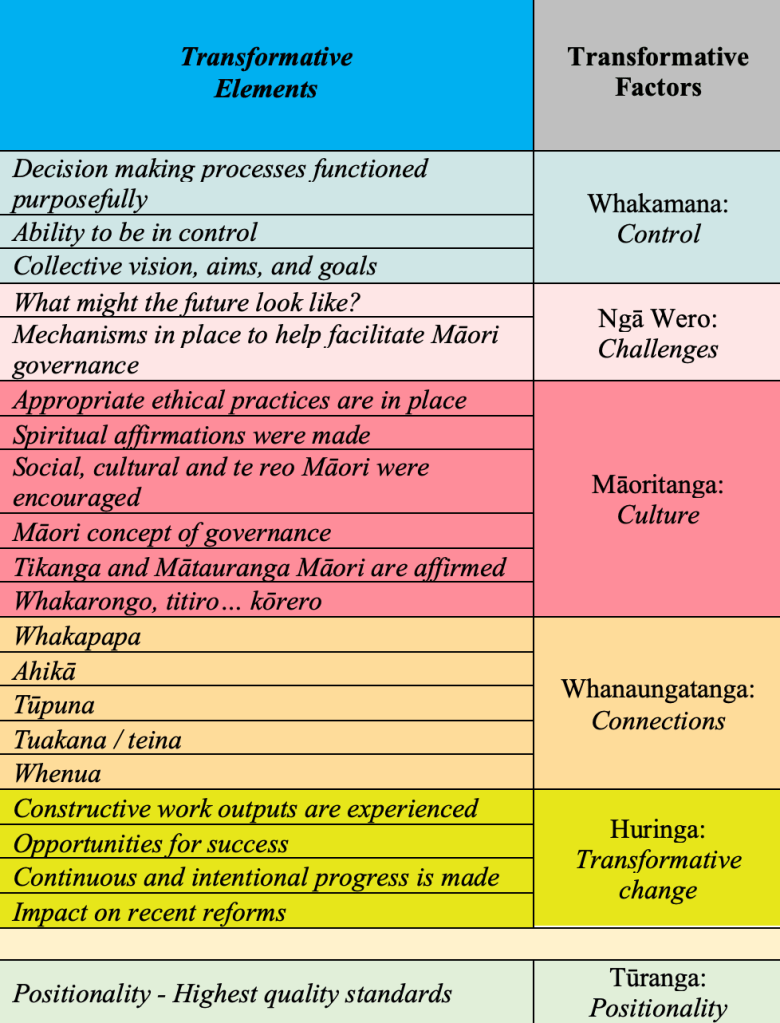
Our research identified twenty (21) positive and successful elements, which we called Transformative Elements that whānau experienced when engaging with digital technologies.
We then grouped the Elements into six (6) Transformative Factors.
Our research suggested that if these Transformative Elements and Factors were to be woven into algorithms, they would inform next-generation Māori AI systems, which would promote cultural well-being for our whānau and their future.
On Sunday, November 12, 2023, we submitted our Whānau research for marking.
So what now?
Our research will be read by three examiners; an examiner from within Massey University, a national examiner, and an international examiner. The examiners will review the strengths and weaknesses of the dissertation and recommend revisions as appropriate.
The examiners will then listen to an oral presentation that I’ll prepare for us. Our oral presentation date will be circulated, so you can attend kanohi kitea or via zoom.
We will be notified of the examiner’s considerations.
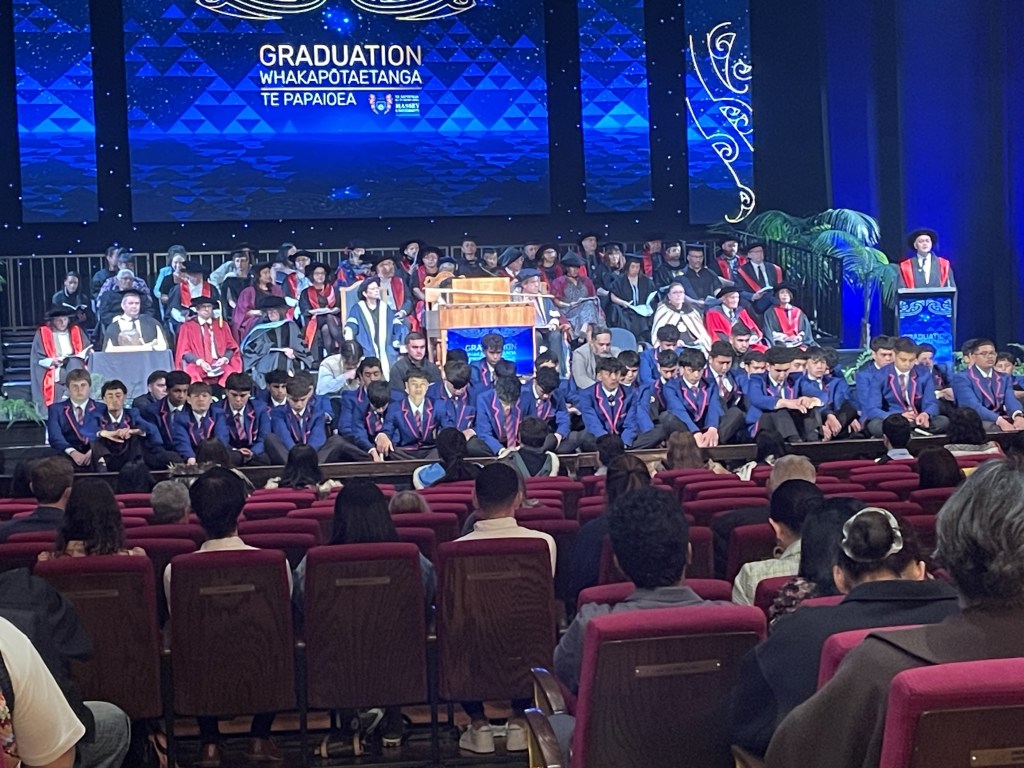
It is planned that we, as Whānau, graduate during the May 2024 graduation celebrations.
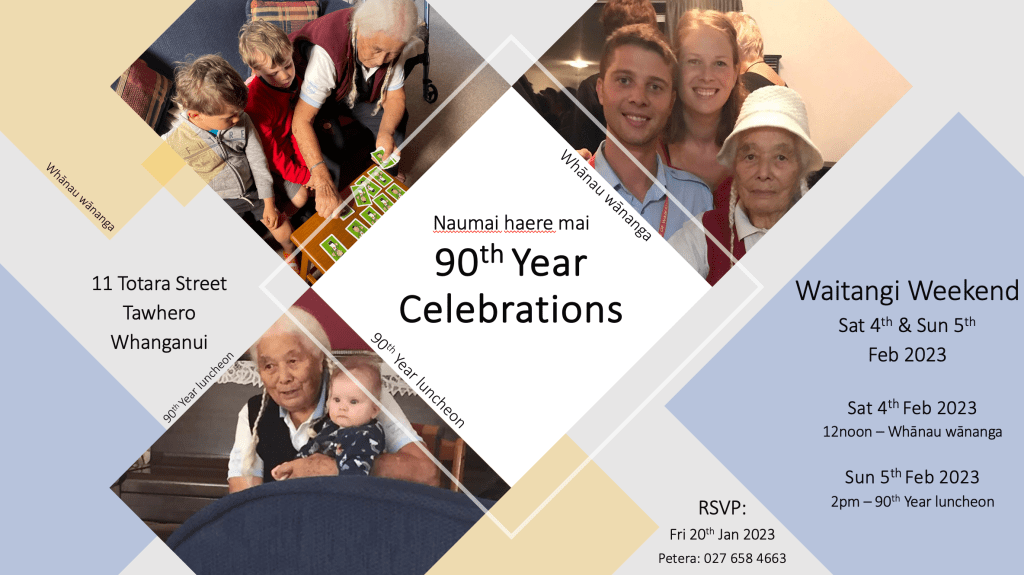
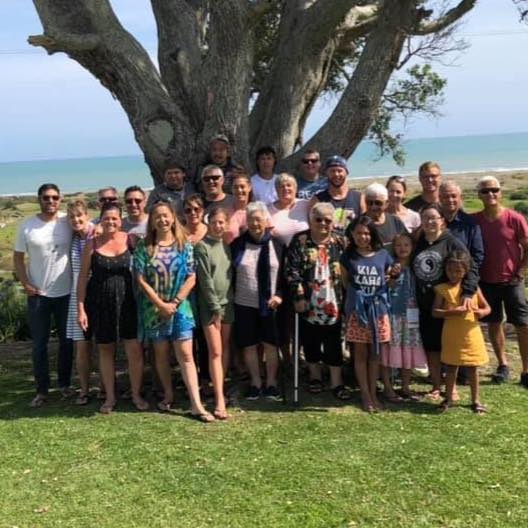
Waitangi weekend provided a three-day opportunity for our whānau to travel from around the motu to Whanganui for a weekend of wānanga and celebration. We created a weekend to discuss our Whānau Research, Wānanga whakapapa Papuni and celebrate Mum’s 90th birth year.
Day 1: Whānau research and Wānanga Wkakapapa Pāpuni
Whakatau and mihimihi kōrero as our Amoamo and Pāpuni gathered at Ria & Steve’s place to wānanga.
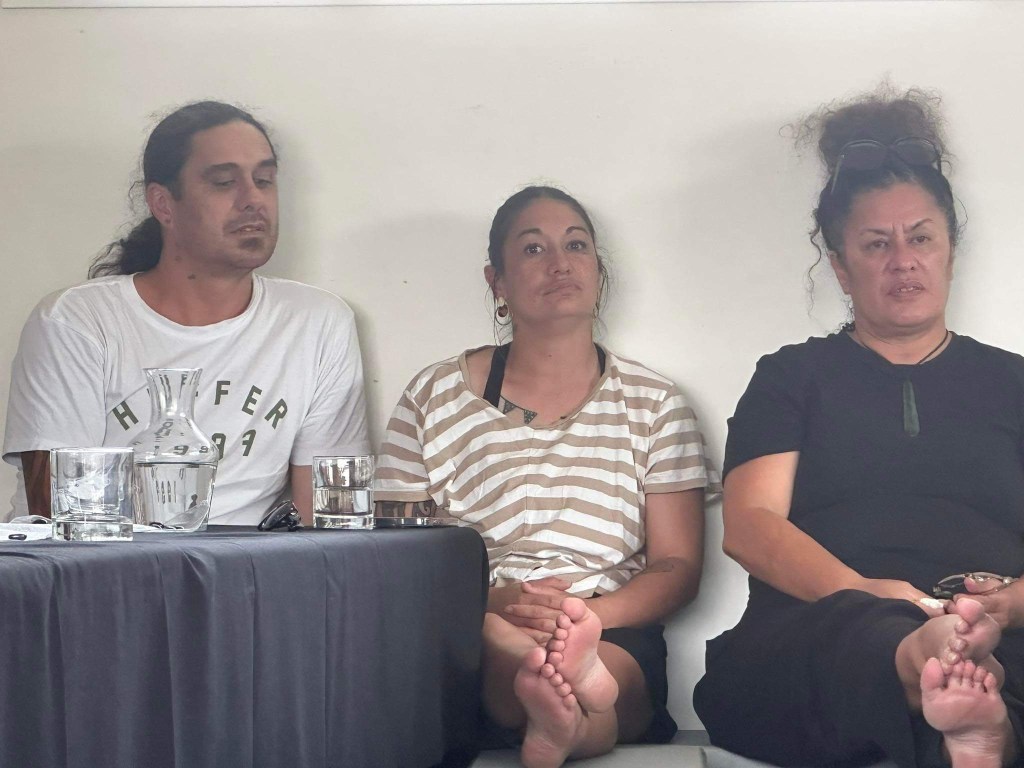
Wānanga mahi rangahau – our Amoamo whānau have been a part of a research project around the identification of mātauranga and tikanga Māori that can be woven into algorithms that will inform AI systems that will promote the cultural well-being of our whānau and their futures. Today we discussed the findings and talked about their impact.
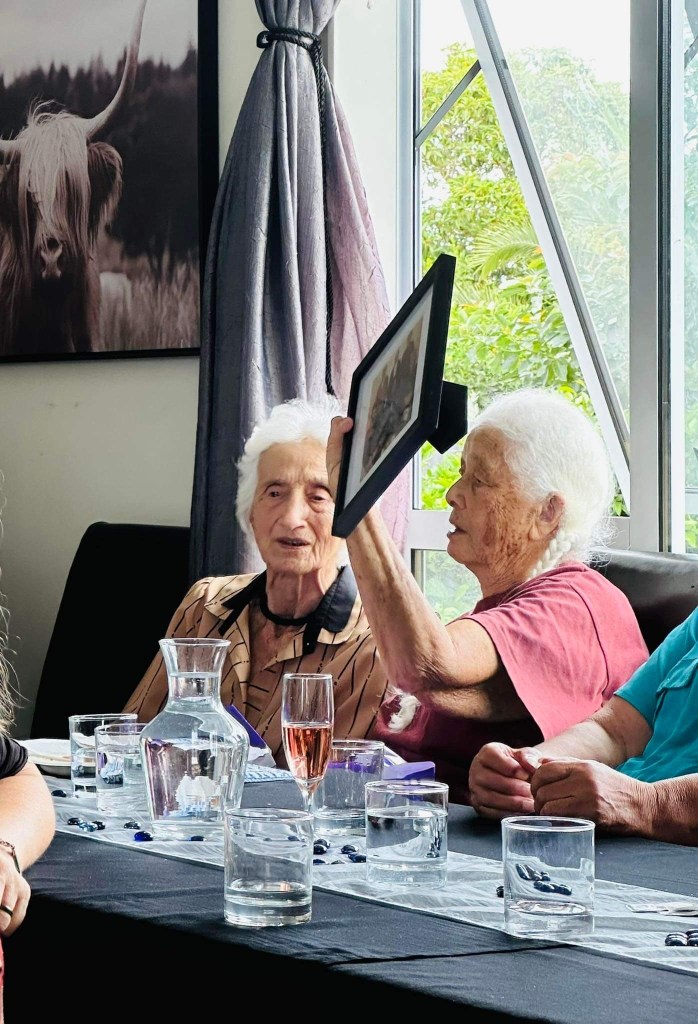
Wānanga Wkakapapa Pāpuni – Aunty Bobbette led our Whānau on a storytelling journey of our Papuni whakapapa. An enlightening afternoon. Aunty Bobbette, Aunty Pare, Aunty Patu and Mum wove stories of their childhoods, adulthoods, and grandparenthoods. Blessed to share the day with Aunty Pare’s daughter Ngaio and son Kristopor and their whānau. The journey of our Nanny, Patumoana whakapapa knowledge continues.
PS The fish was delicious, thank you Cuzzin Ngawai Amaoamo
We were also very blessed to be able to share our stories with our tamariki and mokopuna.
Day 2: Mum’s 90th year celebration.
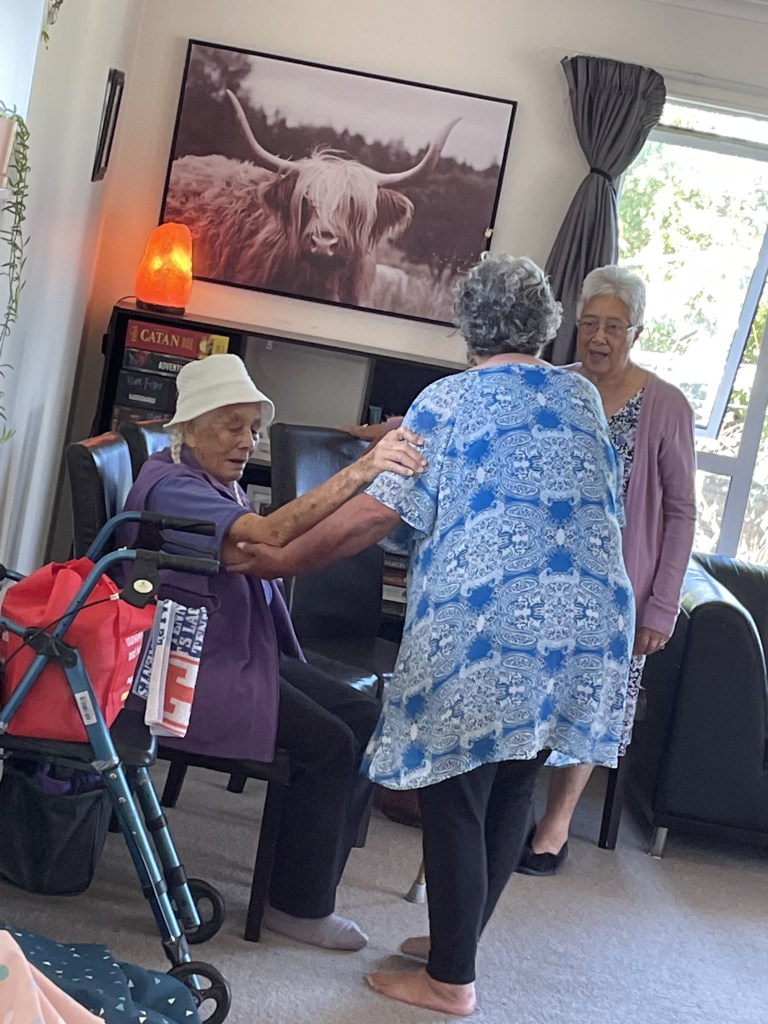
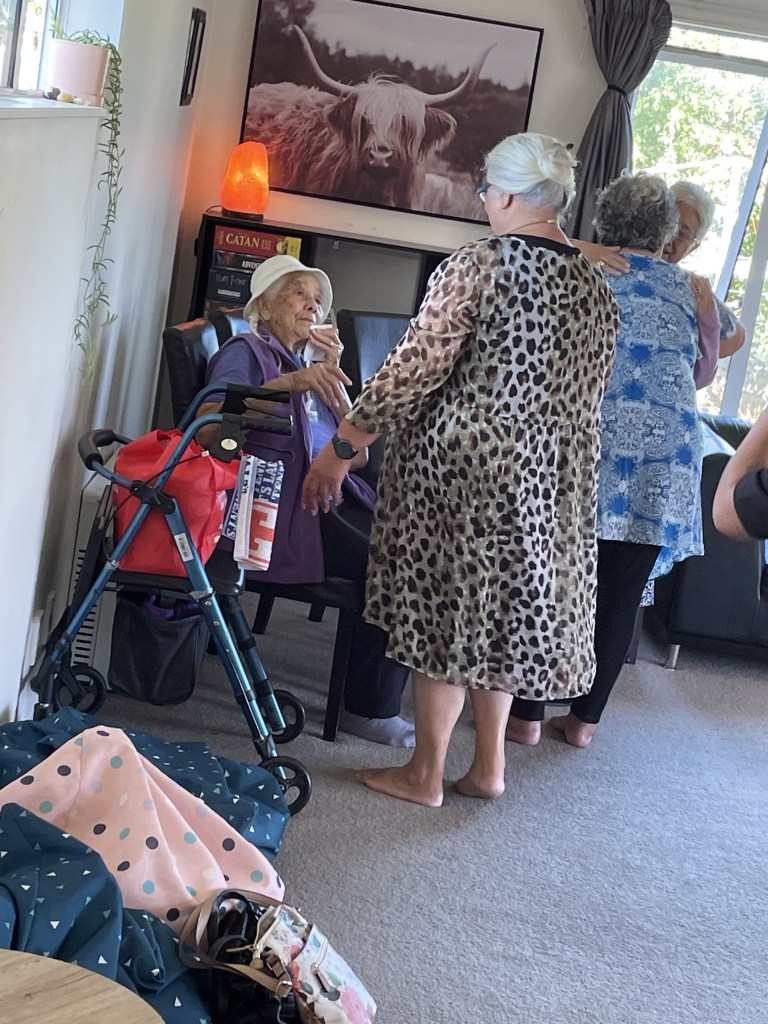
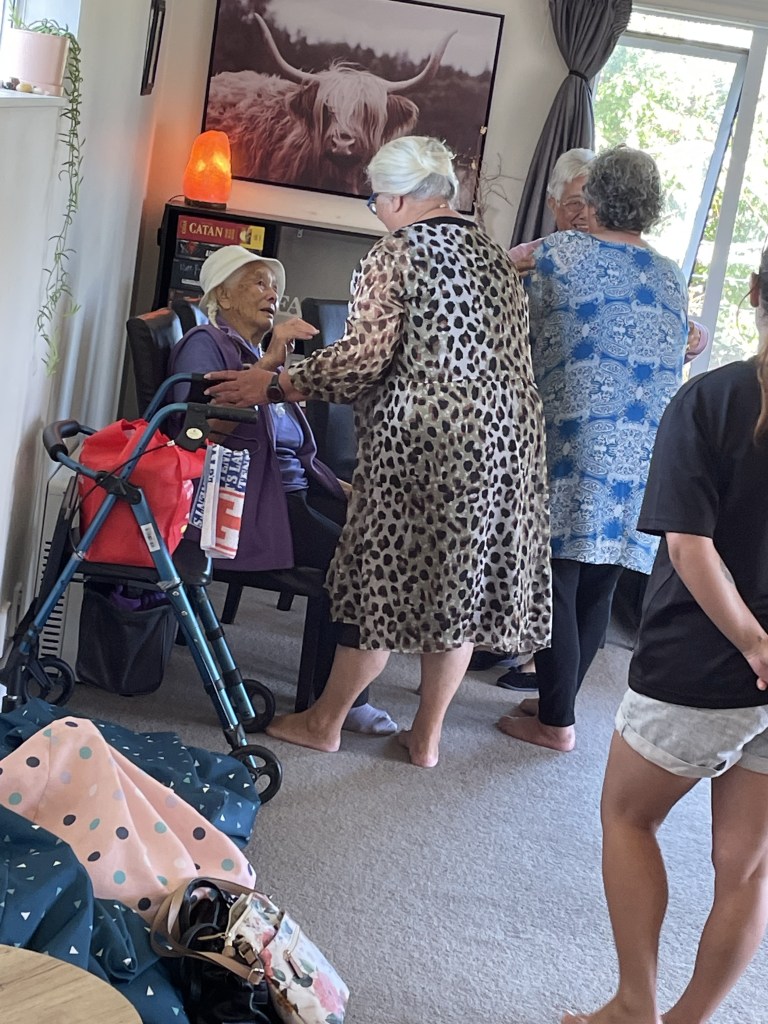
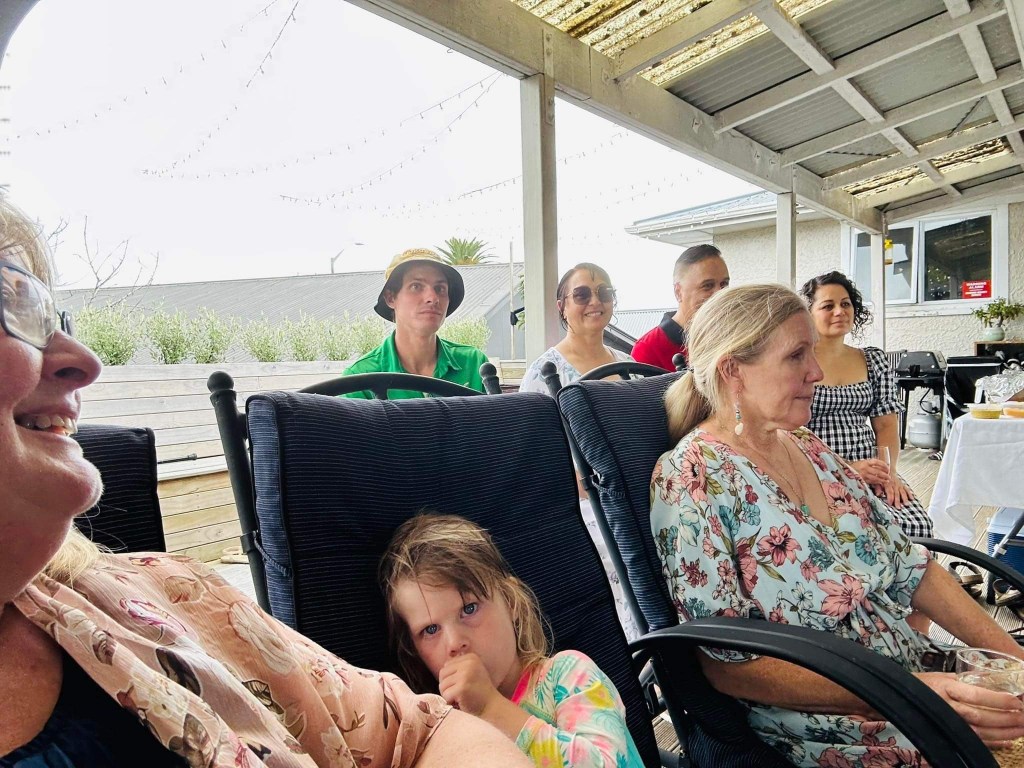
Whānau from around the motu came, and lots of messages were sent to celebrate Mum’s 90th year.
Our Whānau research around Artificial Intelligence (AI) helping our whānau create pūrākau whānau (family stories) and how AI might help keep our pūrāku safe has enabled us to work alongside some amazing Māori researchers.
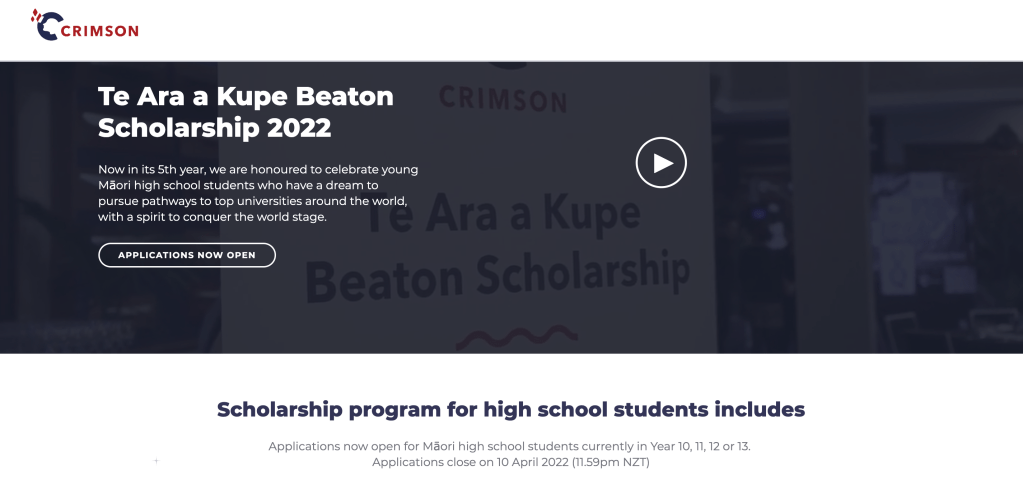
The selection of scholarships below applies to both final year secondary school and tertiary-enrolled Māori students. Their inclusion has been specifically put in their own section intentionally to highlight their availability to eligible Māori students.
Applicants have reported a high likelihood of success; there is a significant number of scholarships available for applicants, offering many opportunities for qualifying students.
Generally, who can apply for a Māori scholarship?
Any full-time Māori undergraduate student currently studying at a recognised New Zealand tertiary institute, unless otherwise noted below.
Every year, the value of scholarships in total is over $1m to high school leavers and undergraduates.
Values for each scholarship range from $500 to $10,000
Preference for most scholarships will be for Māori students displaying academic achievement.
* A big shout out to Cuzzins Joanna & Mars Delamare for sharing their scholarship endeavours supporting their tamariki through their educational journeys.
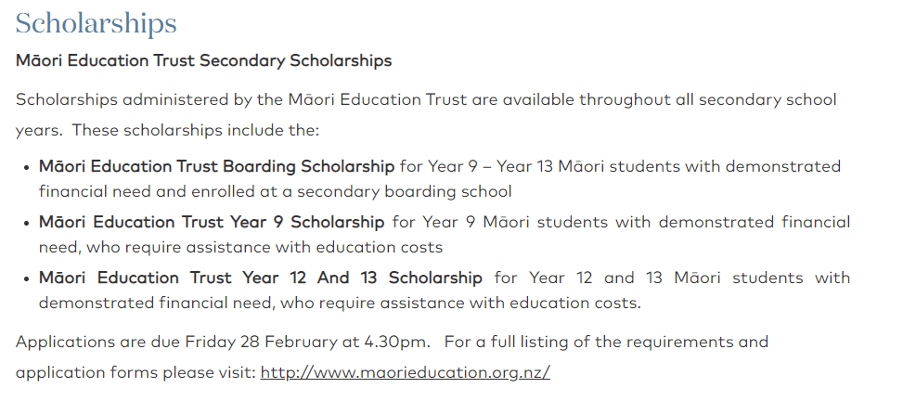
Important: Applications close 31 March 2022Students meeting the application criteria can apply for as many Māori Education Trust scholarships as they like from the list below, but will only be awarded one.
Important: Applications close 31 March 2022Students meeting the application criteria can apply for as many Māori Education Trust scholarships as they like from the list below, but will only be awarded one.
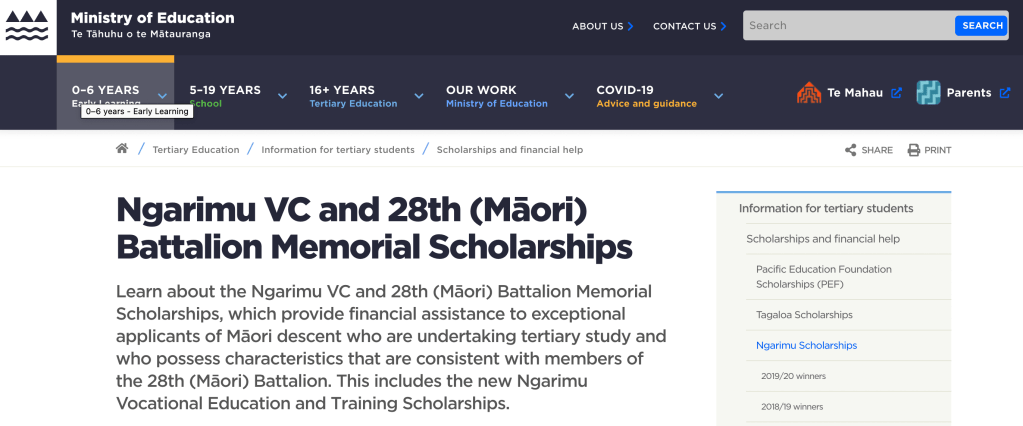
The Sir Apirana Ngata Memorial Scholarship is a scholarship managed on behalf of the Māori Soldiers Trust. It’s funded by the trust’s major asset, Hereheretau Station, and aims to promote higher education among Māori.
The scholarships are generally between $1,000 and $3,000 and 29 were awarded in 2017.
Preference is given to descendants of Māori who served overseas during World War I.
The scholarships are for exceptional applicants of Māori descent who are undertaking tertiary study in the following year and who possess characteristics that are considered consistent with those of the members of the 28th Māori Battalion.
3 undergraduate awards – $10,000 each per year of full time study, for up to 5 years
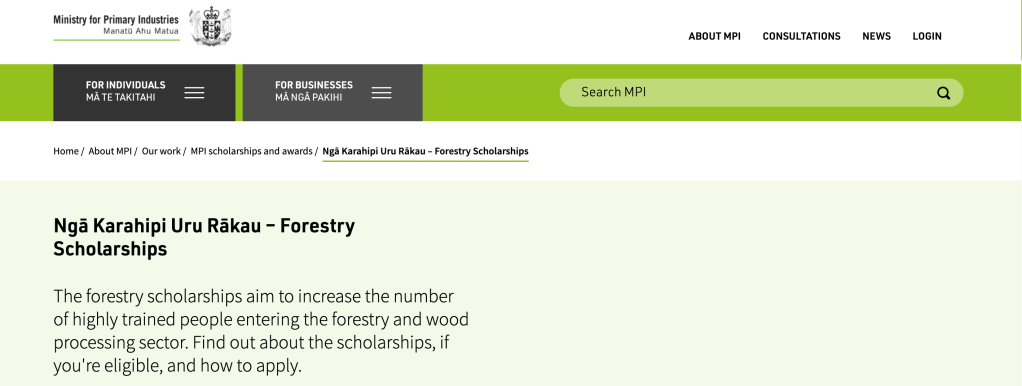
The Ministry of Primary Industries (MPI) is offering scholarships for Māori students enrolling in a Bachelor of Forestry Science or Bachelor of Engineering (Hons) in Forest Engineering.
Number available: 8
Value: $8,000 a year for 4 years (the length of the degree) to help with tuition fees and living costs
Internship: The scholarship includes a paid internship of between 4 to 10 weeks with an appropriate employer in the forestry sector.
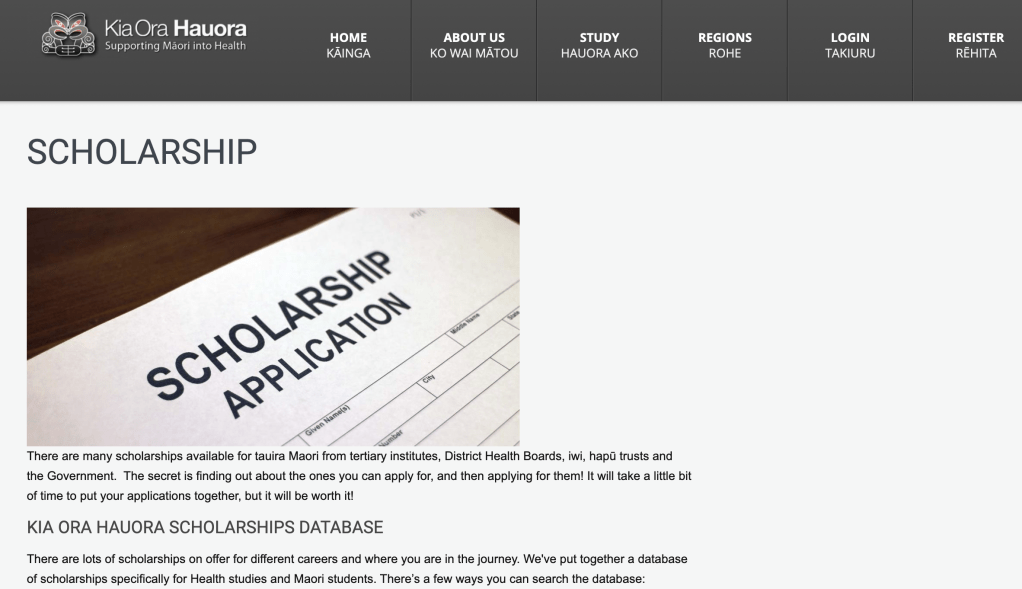
This extensive database is best approached by selecting “Academic Level” and “Iwi” as many of the scholarships will not be relevant for general study. The database includes scholarships that are not Māori specific.
To assist a young Māori student to excel in accounting and contribute to the successful economic development of the Māori community, Chartered Accountants Australia New Zealand offers two annual Leading Light Maori Scholarships, awarded twice a year to assist young Māori students to excel in accounting and contribute to the successful economic development of the Māori community
The Ngā Raumanako Māori Scholarship and the NKMoA – $5,000 ($2,500 p.a. over 2 years) plus the opportunity to gain an internship with one of the Ngā Kaitatau Māori o Aotearoa network partners.
Suzanne Spencer Memorial Māori Scholarship – $6,000 ($3,000 p.a. over 2 years), plus the opportunity to have a mentor from the NKMoA network to assist them with their career aspirations.
Applications: open 1 July 2022 (tbc), close 22 July 2022 (tbc)
Additional Benefits: Invitations to Deloitte networking events, mentoring by a member of the Deloitte Māori Business team and a paid internship in 2nd year of relevant undergraduate study
The list of PhD supporters is long and varied including my Mum, wife, children, grandchildren; my whanaunga – aunties, uncles, cousins, nieces and nephews; my friends and colleagues; my supervisors, mentors and university support teams; and my fellow researchers. Researching requires continued encouragement, I require encouragement to be the best researcher I can. Each group of supporters provides different but distinctive help along my PhD journey. Let me share how my support network up-lifts my research.
Mum is the matriarchal link to our Nanny and NannyPa, our living link to our tūpuna. Mum continues to look after our wairua, our tikanga Māori needs.
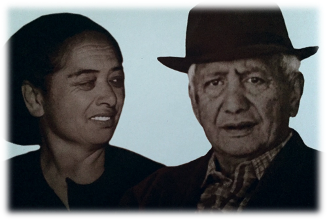
Lft: Nanny and NannyPa. Right: Mum – Mahuta Hudson
Marie-Louise, our children – Ken, Ria, Steve and our mokopuna – Logan, Alex and Jade continue to support a new way of life to allow my journey.
Dr Hēmi Whaanga, my chief supervisor, so knowledgable in the exploration into the AI unknown; Dr Te Kahautu Maxwell, alongside Mum, Cousin Dudu looks after wairua and Whakatōheatanga; Dr Te Taka Keegan, alongside his team and network of IT researchers provides the aspiration and motivation to continue the work of Māori in the field of AI; Dr Tahu Kukutai and Maui Hudson whose supportive voices will carry my academic vision through to reality.
1. Cuzzin Te Kahautu Maxwell. 2. Te Taka Keegan & Hēmi Whaanga. 3. Mum & Cuzzin Maui Hudson. 4. Tahu Kukutai w/ Maui and Te Taka
Structures of support within Te Whare Wananga o Waikato:
MAI ki Waikato and Te Toi o Matariki Māori Graduate Excellence Programme, Fellow Māori PhD and Masters researchers, research being conducted by Māori, with Māori and for Māori;
Te Pua Wānanga ki te Ao – the Faculty of Māori & Indigenous Studies, providing research support, internationally recognised experts and Indigenous leadership;
Student Learning Support Programme actively supporting higher degree students;
The Education Academic Liaison and Librarian staff; the Information and Technology Services who are only a call away.
1. Fellow writing retreat whānau. 2. Vicki Young – staunch supporter of our mahi rangahau. 3. Coffee breast at retreat – Marama, Wairehau and Benjamin. 4. Cuzzin Crystal Tawhai
Te Kupenga o MIA
The Māori and Indigenous programme (MAI) is for the enhancement of Māori and Indigenous post-graduate students throughout Aotearoa New Zealand.
MAI Groups General
MAI ki Tāmaki
MAI ki Aronui
MAI ki Waikato
MAI ki Awanuiārangi
MAI ki Manawatū
MAI ki Pōneke
MAI ki Waitaha | Canterbury
MAI ki Ōtautahi – Lincoln
MAI ki Otago
MAI Ki Te Tai Tokerau
MAI ki Wairaka
Te Kupenga o MAI Doctoral Conference, Tauranga, AotearoaAUT Whanau. 1. Toiroa Williams, Petera, Abel Johnston, Rangimarie Biddle & Renata White. 2. Matangireia Yates-Francis. 3. Eyvonne Wood
MIA ki Manawatū – Te Wheke a Toi
Monica Koia, Ina Te Wiata and Graham Smith, administrators, coordinators of Te Wheke a Toi, providing programmes to support a stimulating and nurturing environment for Māori researchers
Kanohi ki te kanohi and online hui with Te Wheke a Toi
Referees – Nihi Houia, Apryll Parata, Elaina Hershowitz and Chris Dibben who still follow my journey eagerly;
1. Elaina and her whānau. 2. Apryll. 3. Nihi. 4. Chris
Extended whānau network, which is very, very large, always offering manaaki;
These are my home-away-from-home Whānau 1. Panda Waititi and 2. Whānau Rangihika
and finally; te uri o Patumoana raua ko Raikete Amoamo research whānau
Virtual settings are now everyday normality for our research whānau. Online symposiums, workshops, presentations, supervisory meetings and writing havens have probably adorned your weekly calendar at some stage.
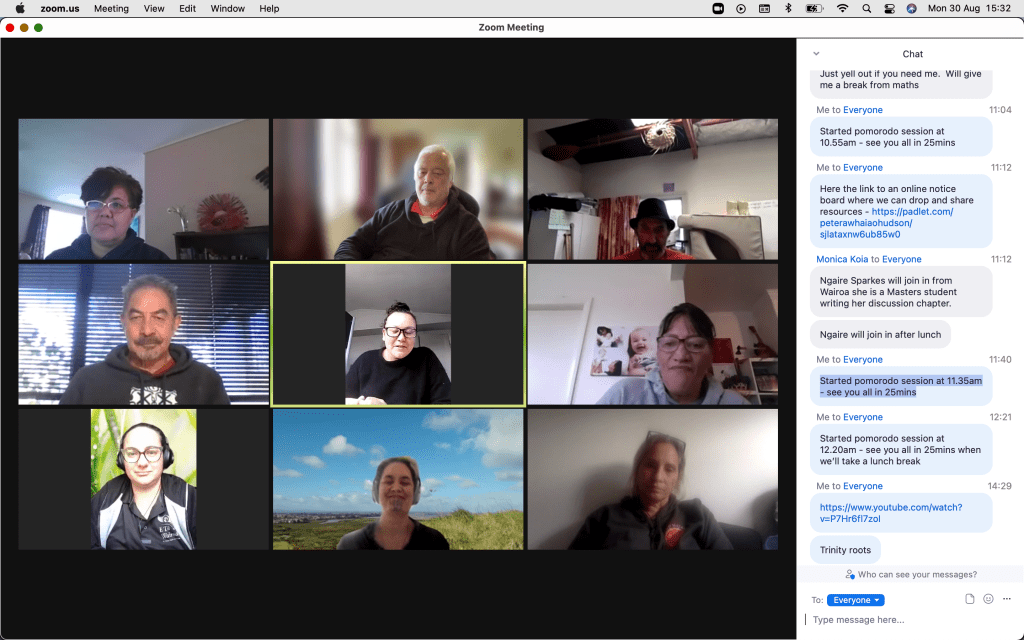
Virtual writing environments offer a platform of whakawhanaungatanga, relationship building which allows scholars and academics to meet, read, write and discuss their mahi rangahau, research embraced by kaupapa Maori, Māori principles of life. We structure our online time using Pomodoro writing method also including 5-10min breaks between writing sessions, morning and afternoon tea and lunch breaks.
Like kanohi ki te kanohi, face-2-face writing retreats, Wānanga tuhituhi mariko are a practice with an aim to allow researchers to use dedicated writing time to progress any project in a supportive environment. With family and work commitments, Wānanga tuhituhi mariko provides an online opportunity to concentrate exclusively on a writing project, opportunities to get away from distractions and focus on your research writing. As at a traditional writing retreat you are able to bond as a group, you have spontaneous interactions over meal times and at any other prescribed times. You’re also participating in creating a safe online place for sharing your work with others.
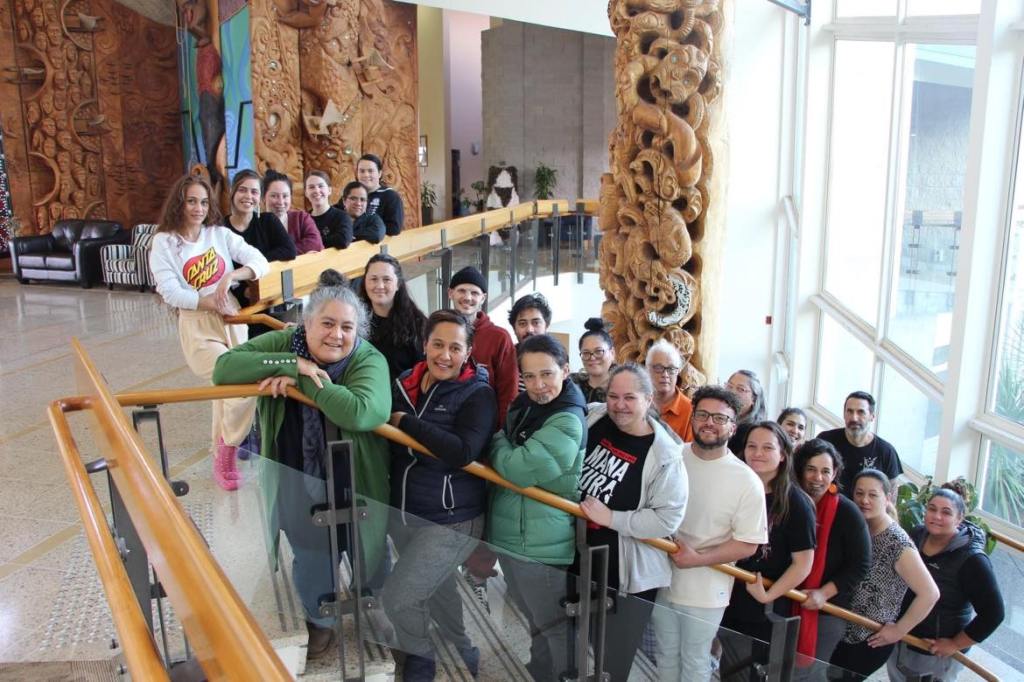
Writing retreat coordinated by Te Toi o Matariki Maori, Masters students and MAI ki Waikato, PhD researchers, hosted at Waikato-Taini Endowment College at Hopuhopu, Ngaruawahia.
With the suspension of traditional kanohi ki te kanohi lectures, workshops, writing retreats and other educational gatherings, the Covid-19 lockdown has forced academia to explore different ways to stay open and remain connected. Research around the development of online environments that help Māori meet social, political, educational, and cultural aspirations is emerging. The field of tertiary education leads this research and investigates ways to provide online opportunities that create conditions that promote te ao Māori, a Māori worldview, aspiration for Māori scholars.
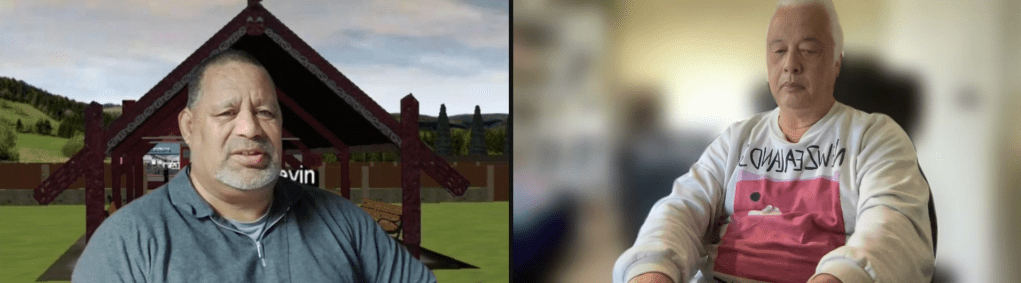
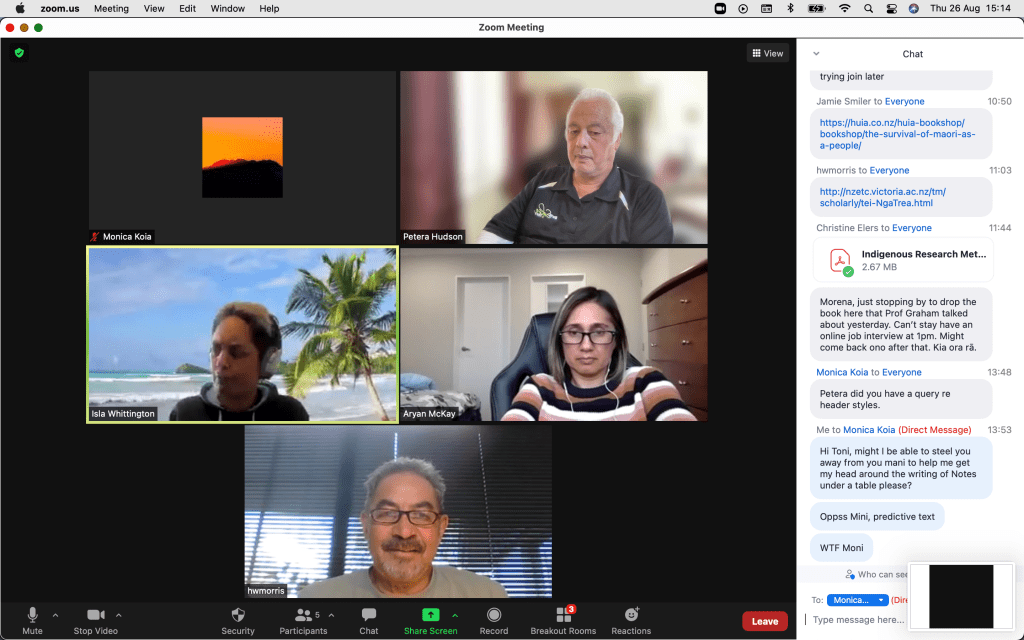
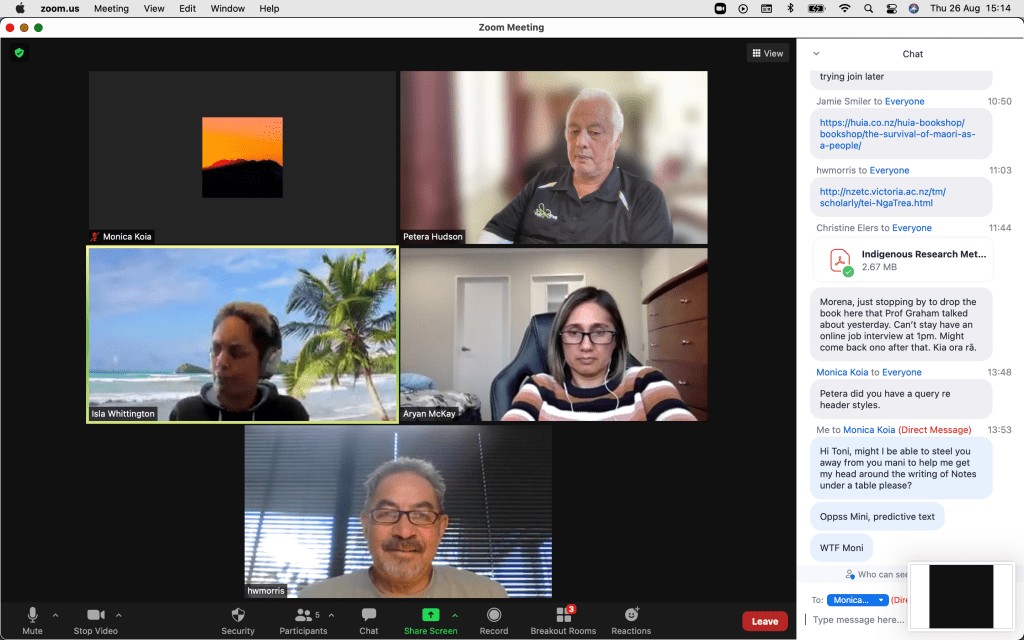
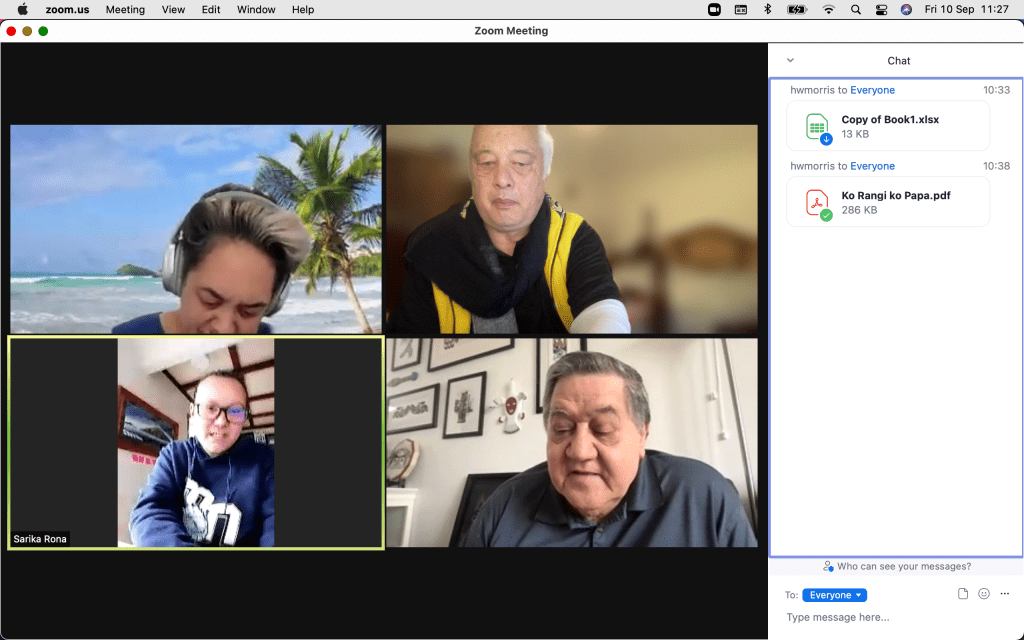
Wānanga tuhutuhi mariko, virtual writing forum is a term coined by Hone Morris a fellow Māori researcher. Covid’s delta variant forced the Aotearoa Leadership to take the country into alert level 4 lockdown on 14 February 2021. Te Wheke a Toi, Massey University’s Māori Support Unit had planned to meet at a writing retreat in Auckland to work on their mahi rangahau, research. Due to the lockdown it was decided to continue the retreat in an online forum. The online writing space of Wānanga tuhutuhi mariko was born.
Wānanga tuhutuhi mariko, with Massey and Waikato research whānau
Zoom video communications is the online platform utilised to facilitate Wānanga tuhutuhi mariko. Zoom is a cloud-based programme that offers video and audio conferencing, chat and offers the facility to produce webinars across mobile, laptop and desktop devices.
Zoom, like many of the other video and audio conferencing platforms offers:
3rd Party integration, ie: mobile devices, other conferencing apps – Microsoft Teams
Transcription facilities
Breakout rooms
Fun features including virtual backgrounds, key board short cuts, video joining options and one feature I use for early morning, touch up appearance (-;
Kanoho ki te kanoho is our preferred way to meet and we are so aware of the challenges of online hui/workshops/etc:
Māori prefer face-2-face meeting
New facilitation skills required by online organisers
Technical difficulties
However, as an alternative meeting place especially a space of virtual writing here are some of the benefits:
more accessibility for all Māori researcher across locations,
more inclusion for those unable to travel,
limited spend on on hui set up,
less travel cost for retreat participants,
a virtual space continues to encourage individual goal setting and more importantly accountability to those goals through a public presentation at our daily whakawatea and debrief at out whakamutunga
MAI doctoral conference hosted at Waikato University in Tauranga and Writing Retreat host by MAI ki Massey in Palmerston North
What can we do to help Māori meet social, political, educational, and cultural aspirations in an online space?
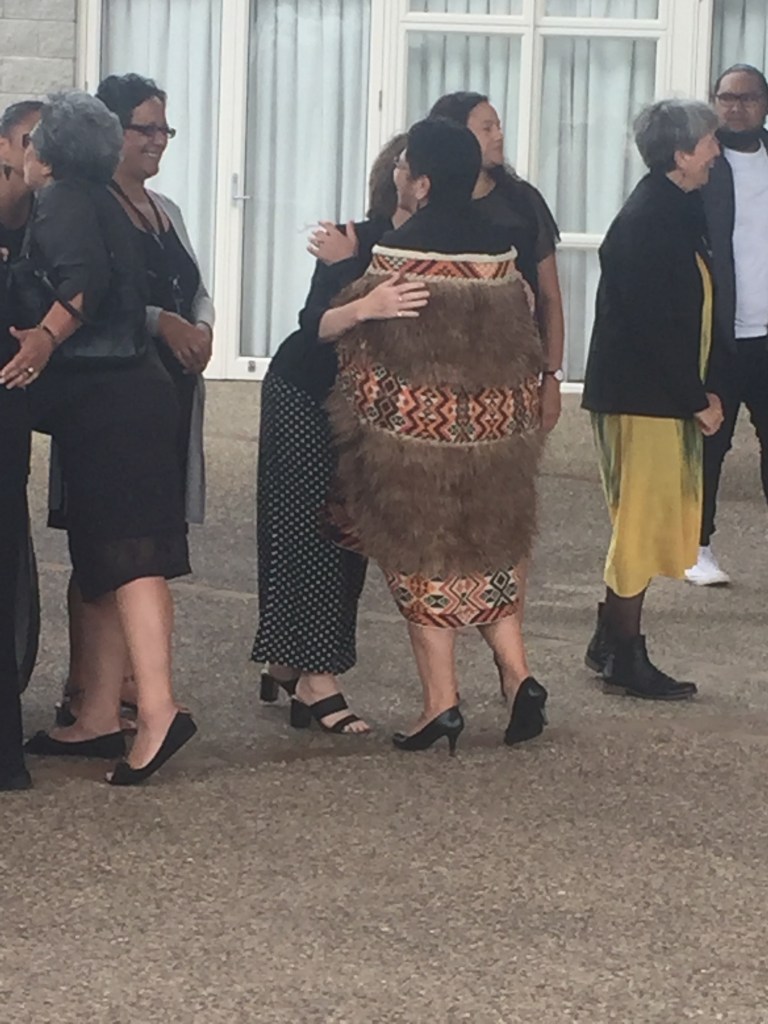
Research has highlighted the fact that Māori prefers kanohi ki te kanohi as the way to gather and meet. Emerging research has identified that kanohi ki te kanohi provides a bridge for people to feel the emotional sensations of wairua, therefore, enhancing the online experiences. The research identifies the warmth of the room, the connection with people through hariru, through hongi, or through a hug, when you first meet those people from a wairua perspective, the emotional sensations.
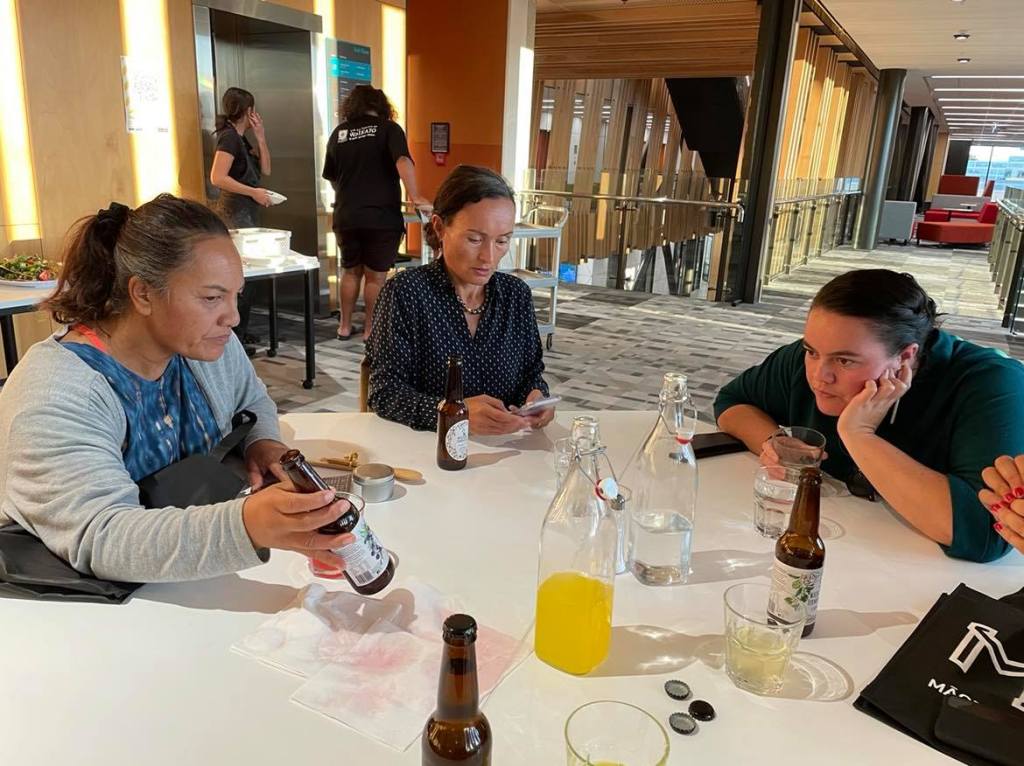
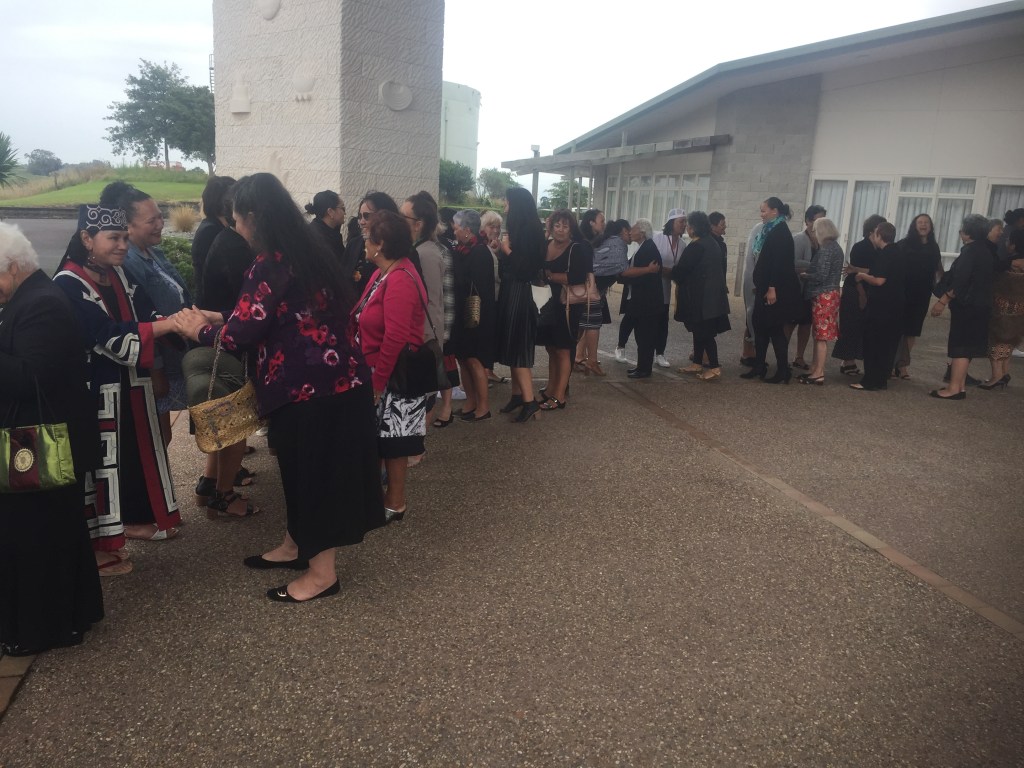
Māori academics and scholars mix and mingle at Waikato-Tainui College, Hopuhopu, Ngaruawahia
Research also suggests that when:
whakawhanaungatanga, relationships building is practised online, when
online participants have confident relationships with digital technologies, and when
online participants have access to resources including people and materials;
these conditions help promote cultural, educational, political and social aspirations for Māori scholars meeting in a virtual meeting space.
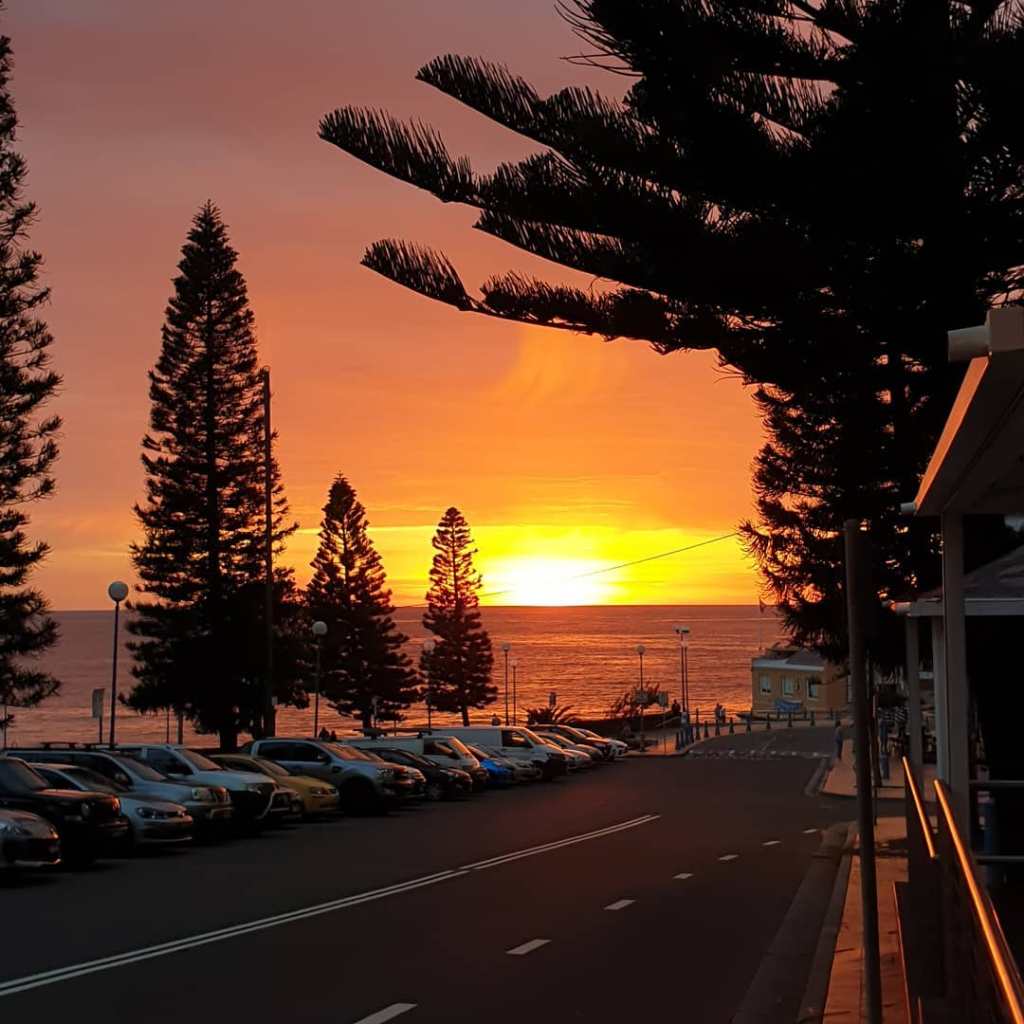
I feel anxiety as our son lives on Coogee beach in Sydney, Australia.
I feel tautness in my body, whether it be neck pain or leg muscle strain.
I feel worry, and nervousness and as we navigate through the covid alert levels.
I feel conflict and friction when Marie-Louise and I have a difference of opinion.
I feel hostility when I see the assembling of illegally protest.
I feel stress when timeline milestones are due.
I have a mistrust around of our legal system as Māori are disproportionately represented in incarceration.
I have concern about the Aotearoa health system as Māori have a high representation in poor health statistic.
I have a wariness about the education system here in Aotearoa as again Māori represent a high number of low achievers in our school results.
I feel a sense of relief when we FaceTime or receive a message or see a FB post from our son, signalling the fact that he is alive and ok.
I feel a sense of respite when I have a warm wheatie bag on my neck and shoulders and a sense of release after my fortnightly massage appointment.
I feel a sense of excitement when I watch the number of community cases go down when reported in the 1 o’clock covid tv report.
I feel a sense of opportunityafter a difference of opinion is worked through with Marie-Louise
I feel a sense of validation when I hear that the organisers of illegal assembling for protest are being prosecuted in our courts.
I feel relaxed when timeline milestones are met.
However, when issues of inequality is being exacerbated by institutional marginalisation, the positive senses of relief, respite, excitement, opportunity, validation and relaxed are overwhelmed by the feelings of anxiety, tautness, worry, conflict, friction, hostility, stress, mistrust, concern, and wariness; which amplify the feelings of oppression, domination, subjugation, persecution and repression.
We need more GREEN words in our lives
My mission is to take away the RED words and replace them with more GREEN words.





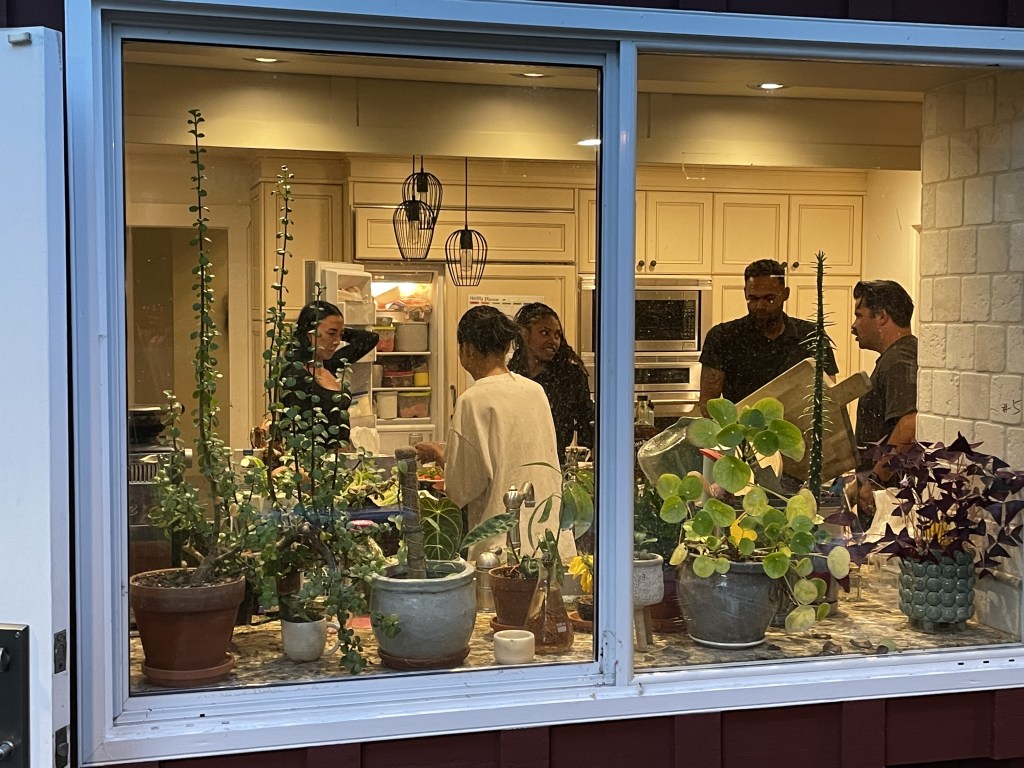
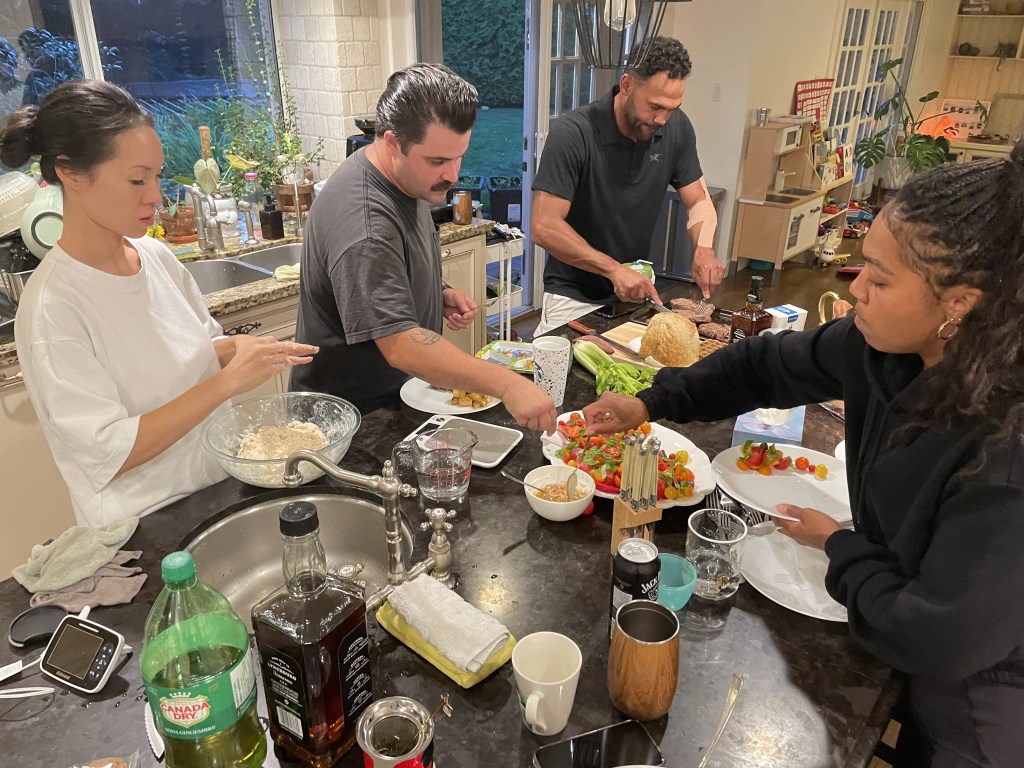
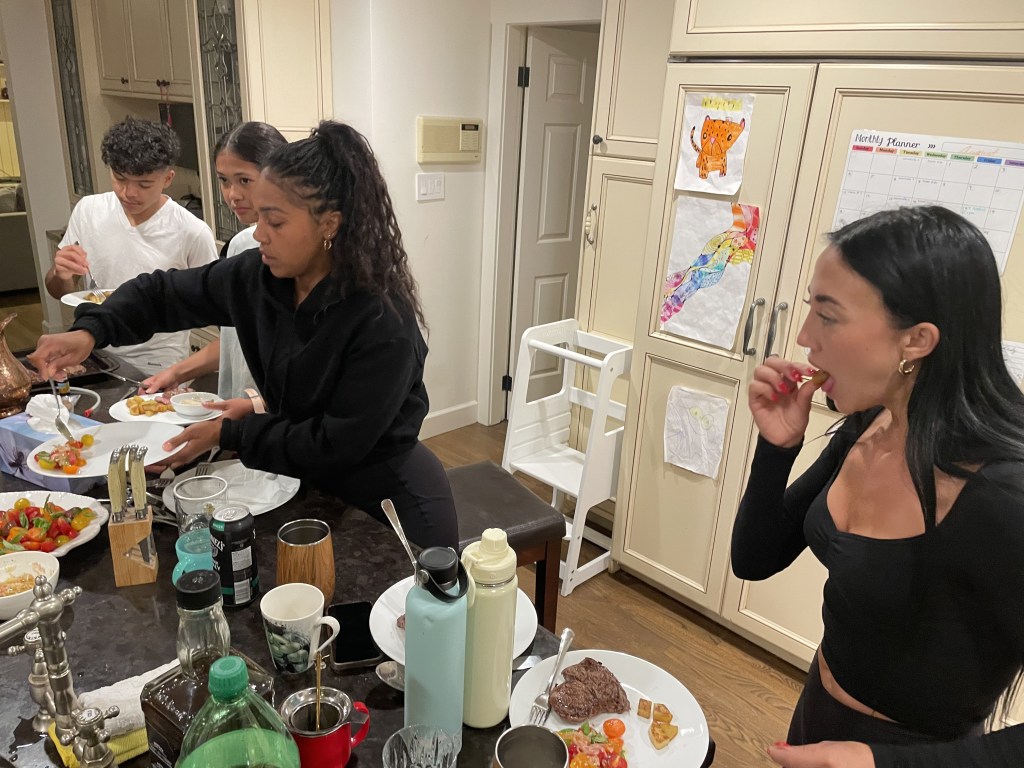
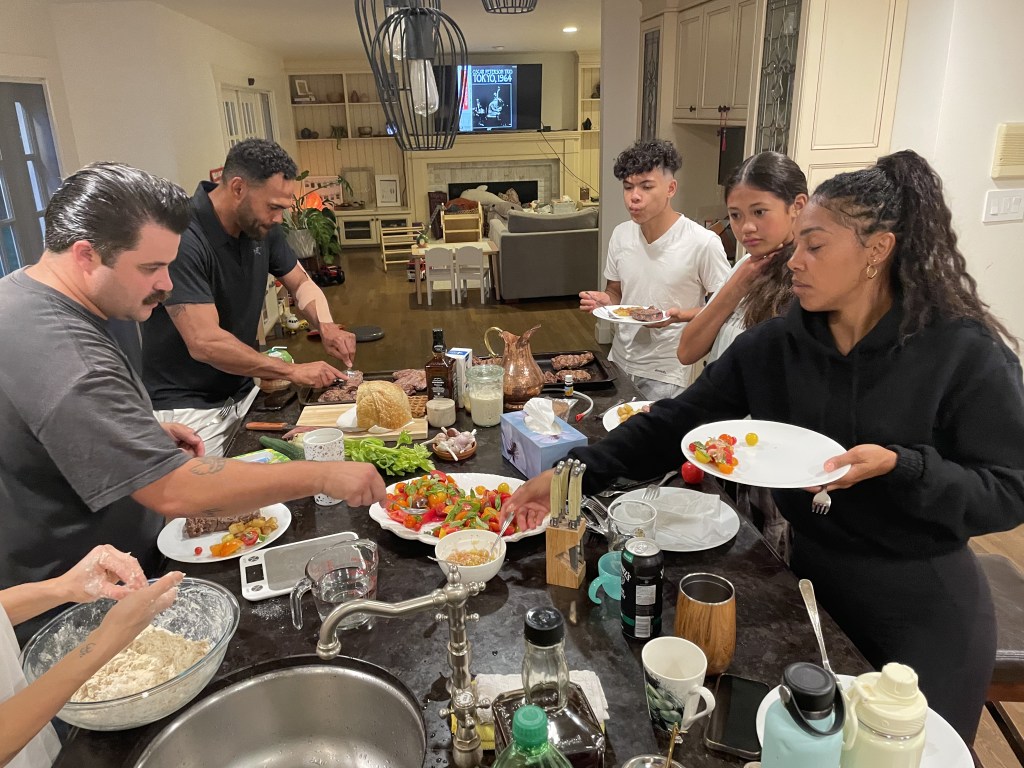













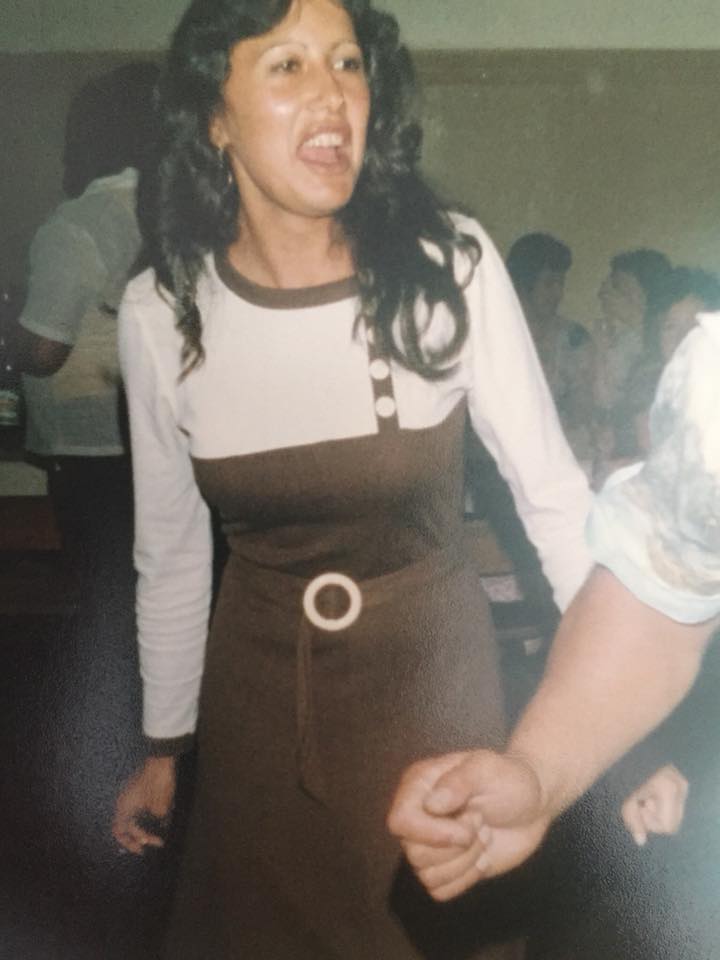
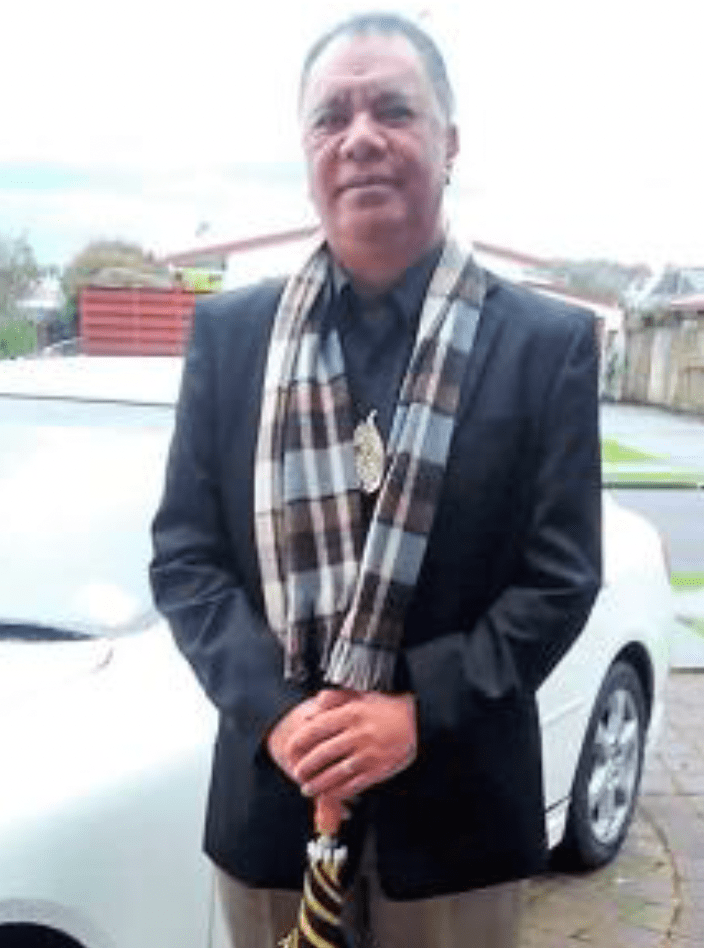


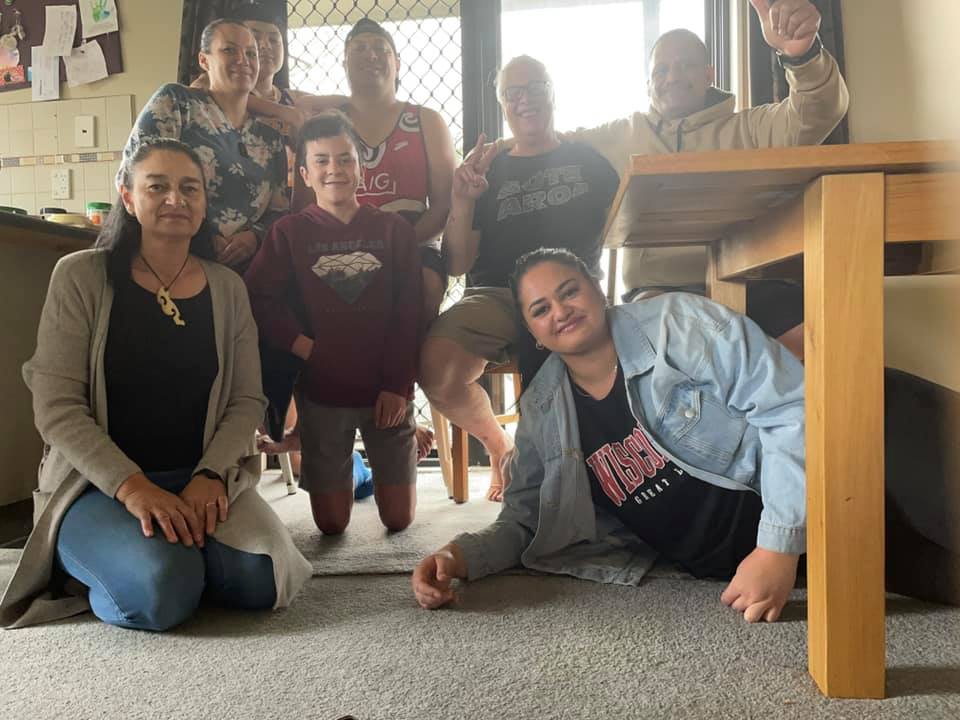

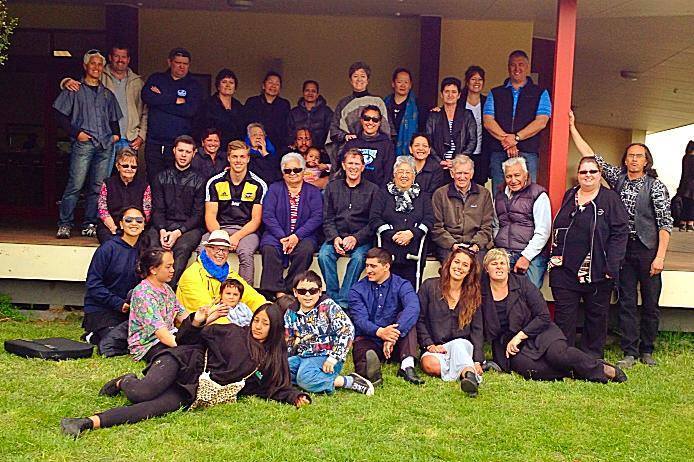


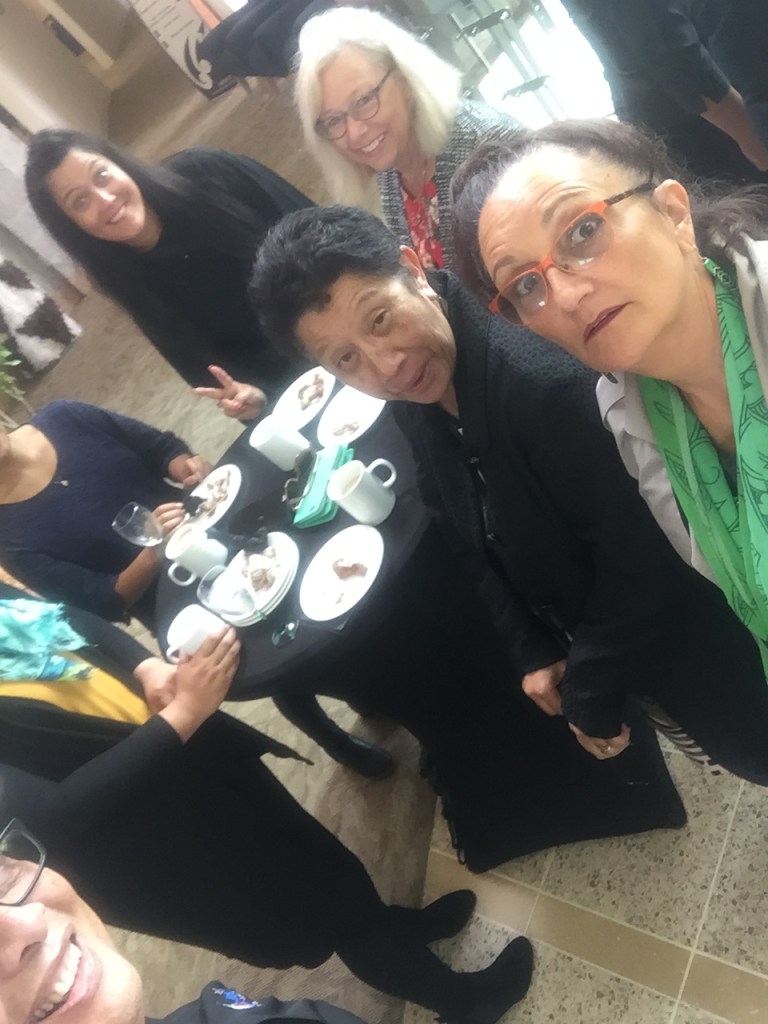
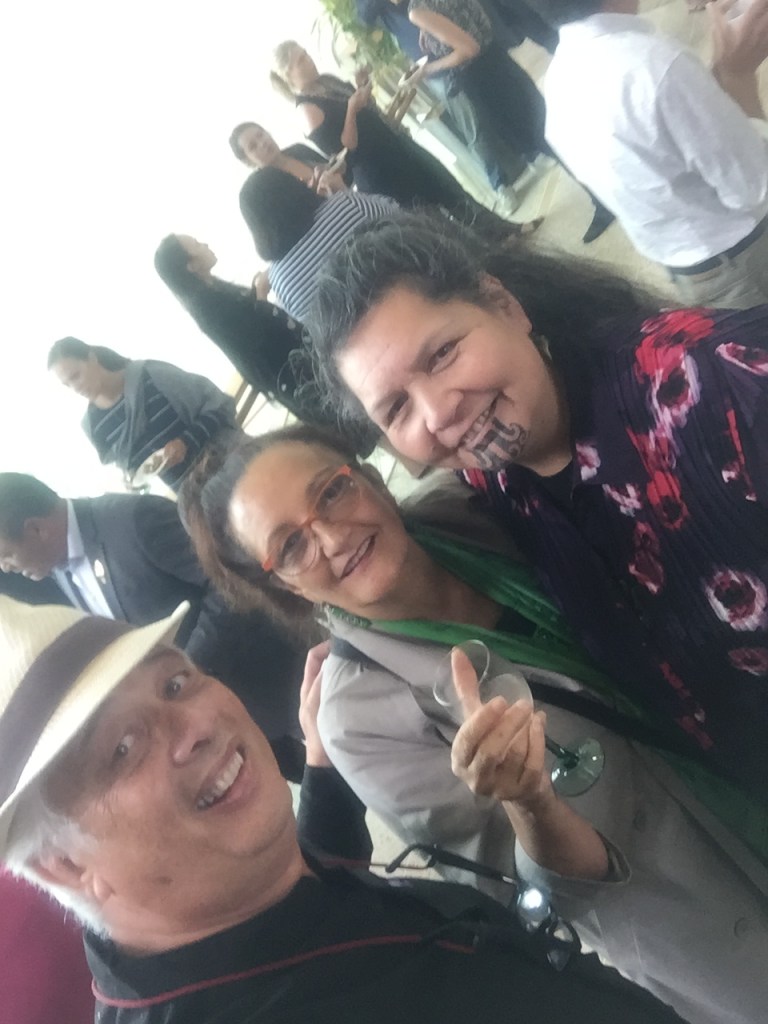
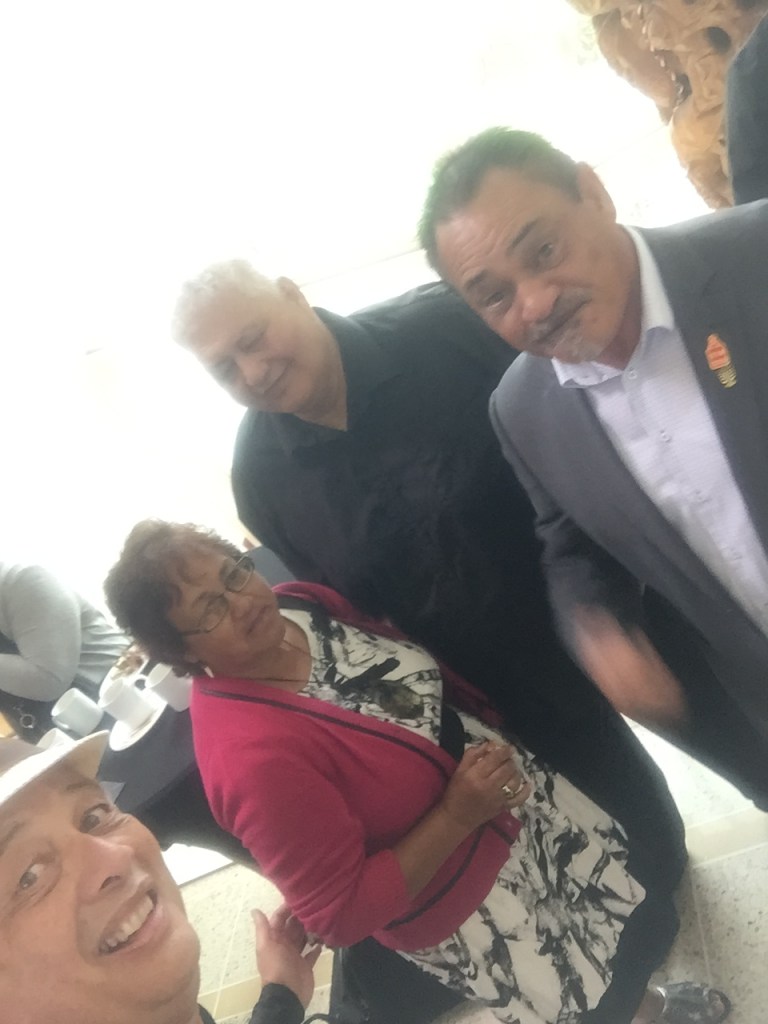
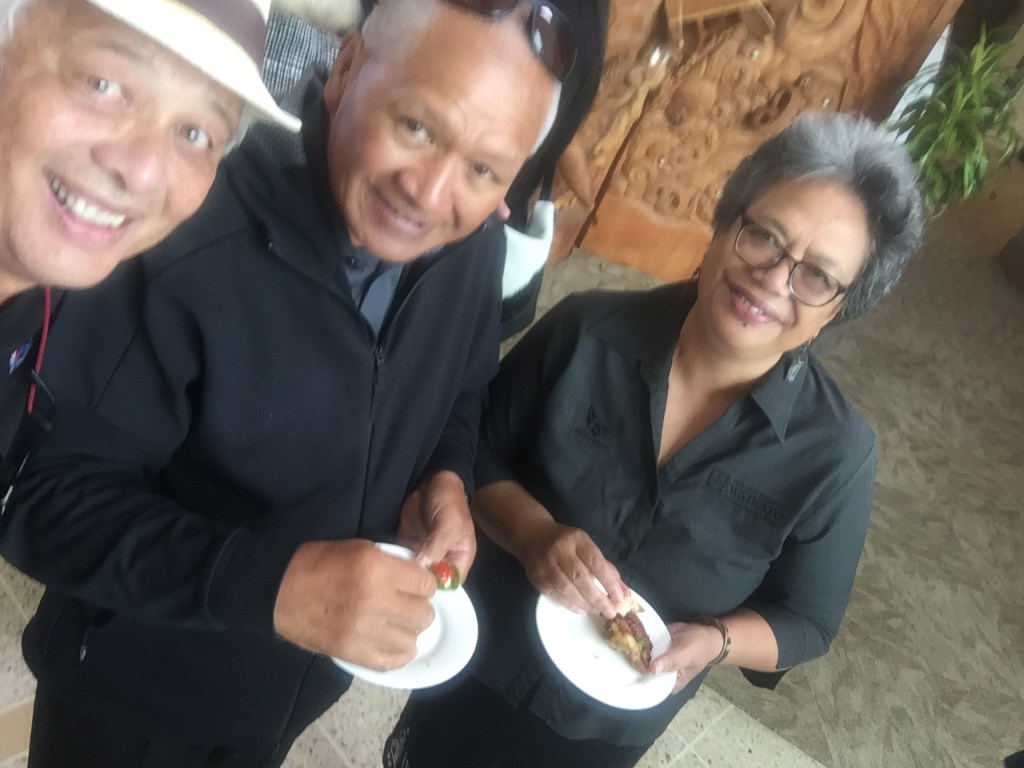
 AI connecting our Whānau