Virtual settings are now everyday normality for our research whānau. Online symposiums, workshops, presentations, supervisory meetings and writing havens have probably adorned your weekly calendar at some stage.
Virtual writing environments offer a platform of whakawhanaungatanga, relationship building which allows scholars and academics to meet, read, write and discuss their mahi rangahau, research embraced by kaupapa Maori, Māori principles of life. We structure our online time using Pomodoro writing method also including 5-10min breaks between writing sessions, morning and afternoon tea and lunch breaks.
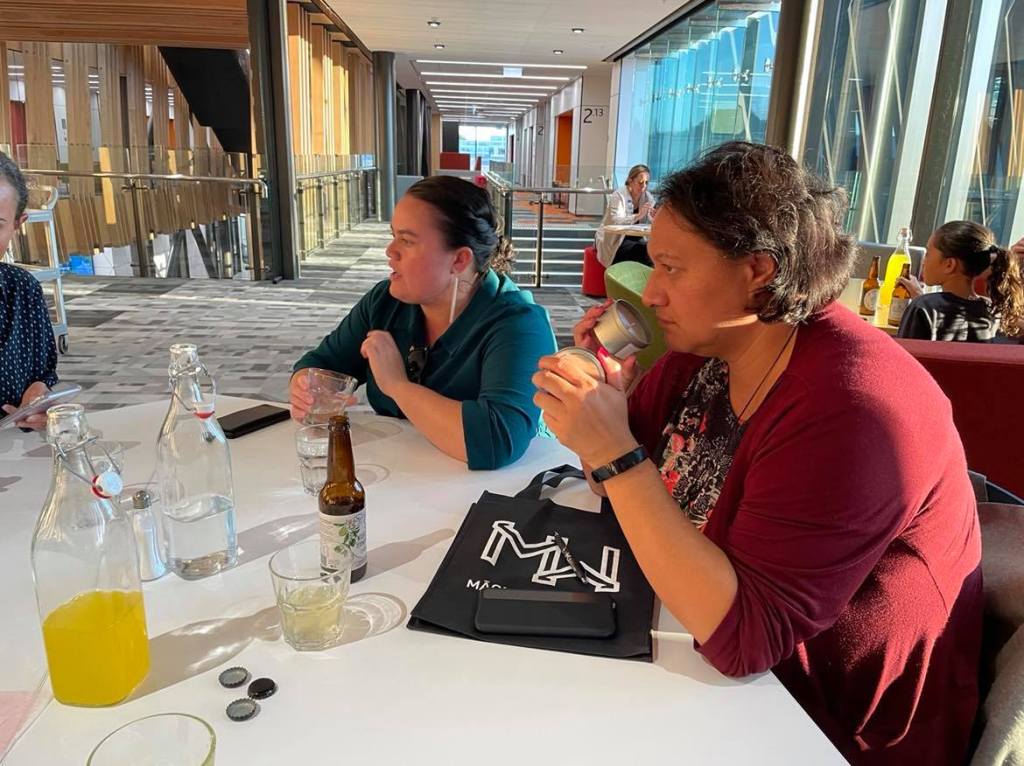
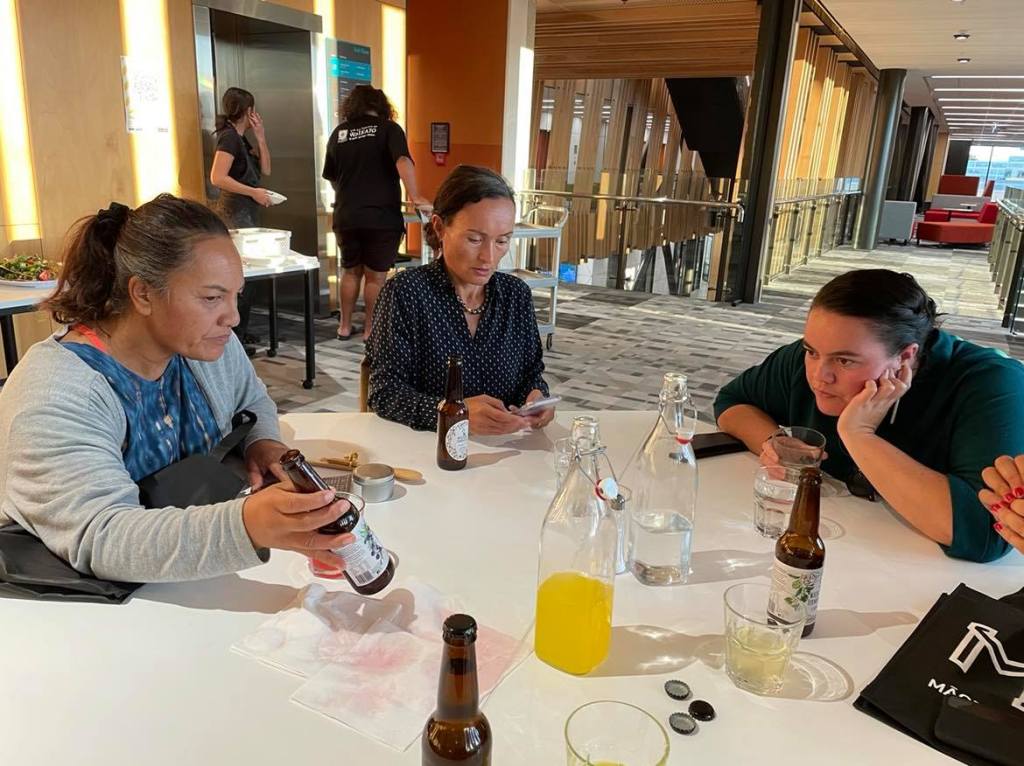
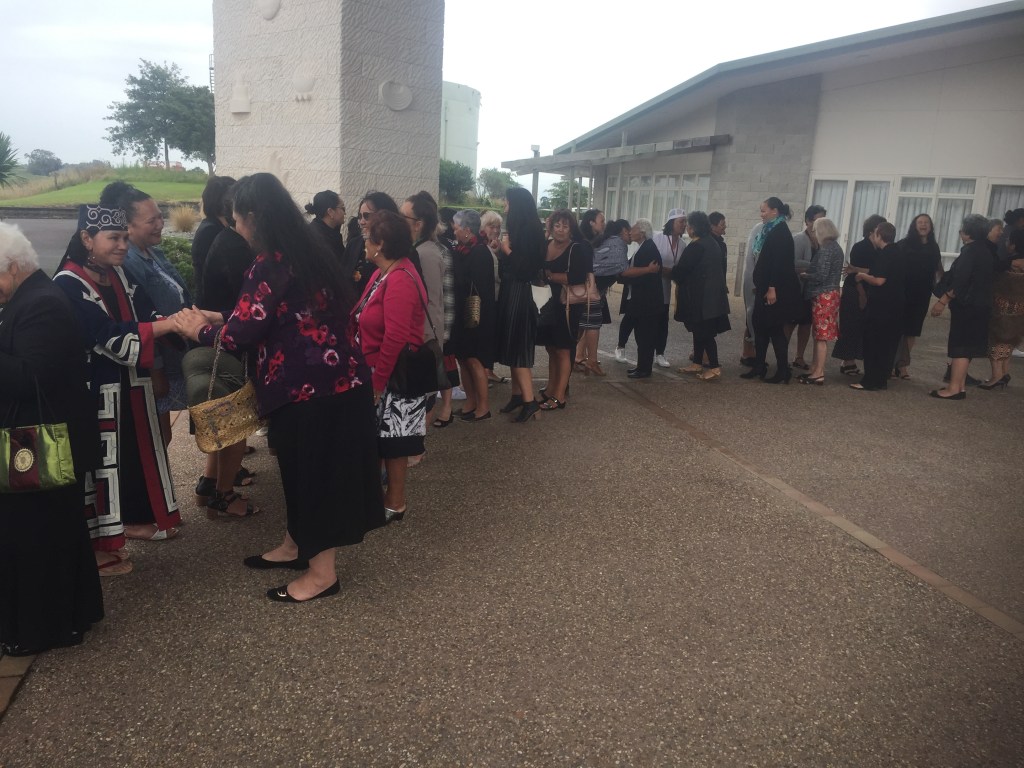
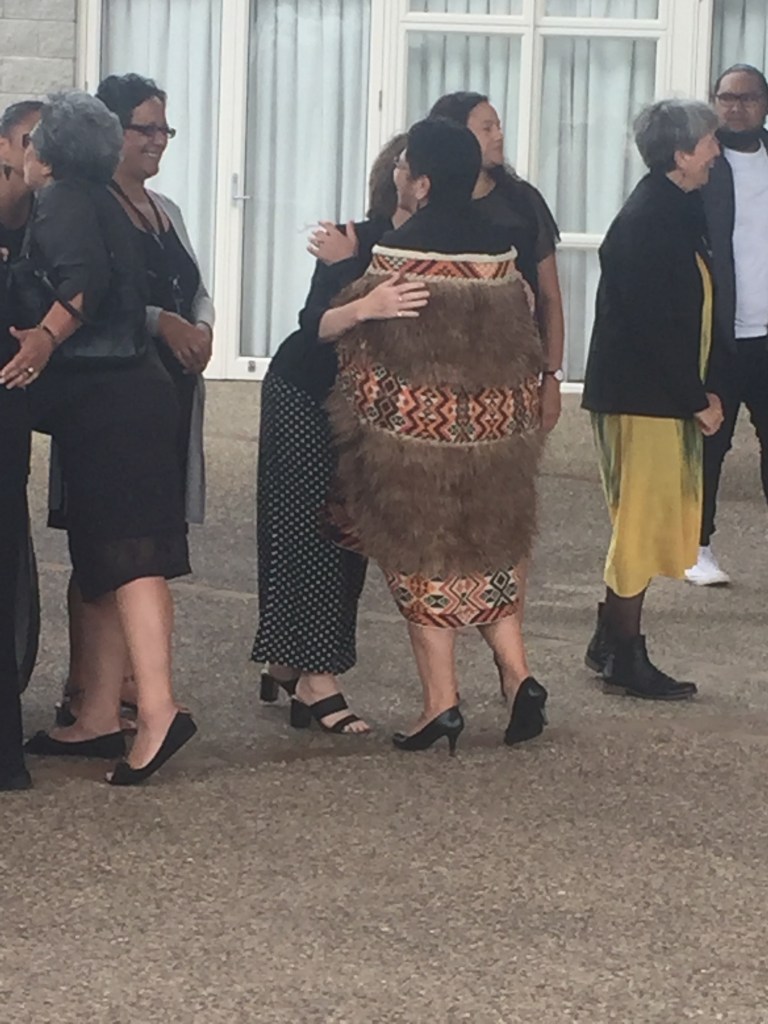
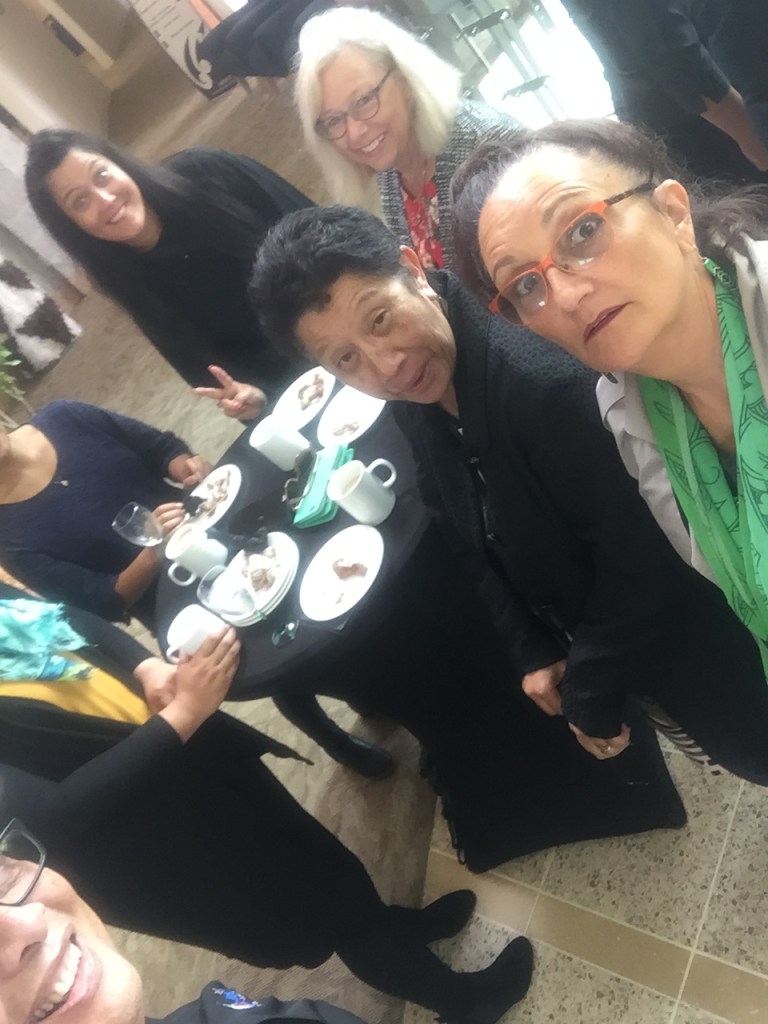
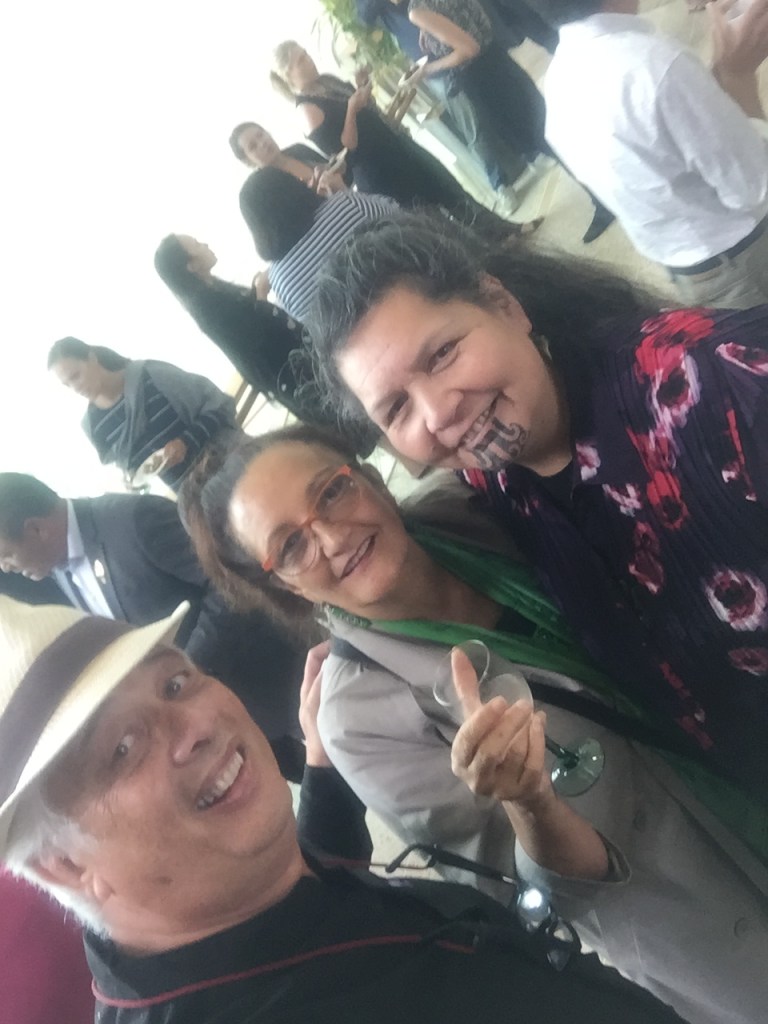
Like kanohi ki te kanohi, face-2-face writing retreats, Wānanga tuhituhi mariko are a practice with an aim to allow researchers to use dedicated writing time to progress any project in a supportive environment. With family and work commitments, Wānanga tuhituhi mariko provides an online opportunity to concentrate exclusively on a writing project, opportunities to get away from distractions and focus on your research writing. As at a traditional writing retreat you are able to bond as a group, you have spontaneous interactions over meal times and at any other prescribed times. You’re also participating in creating a safe online place for sharing your work with others.
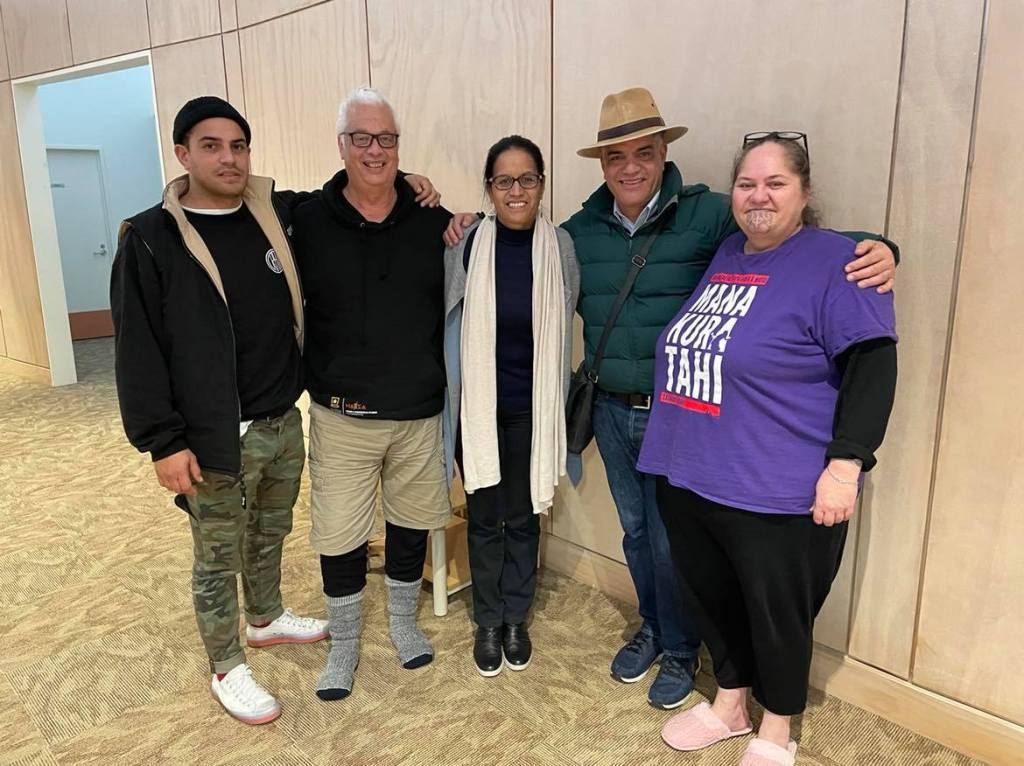
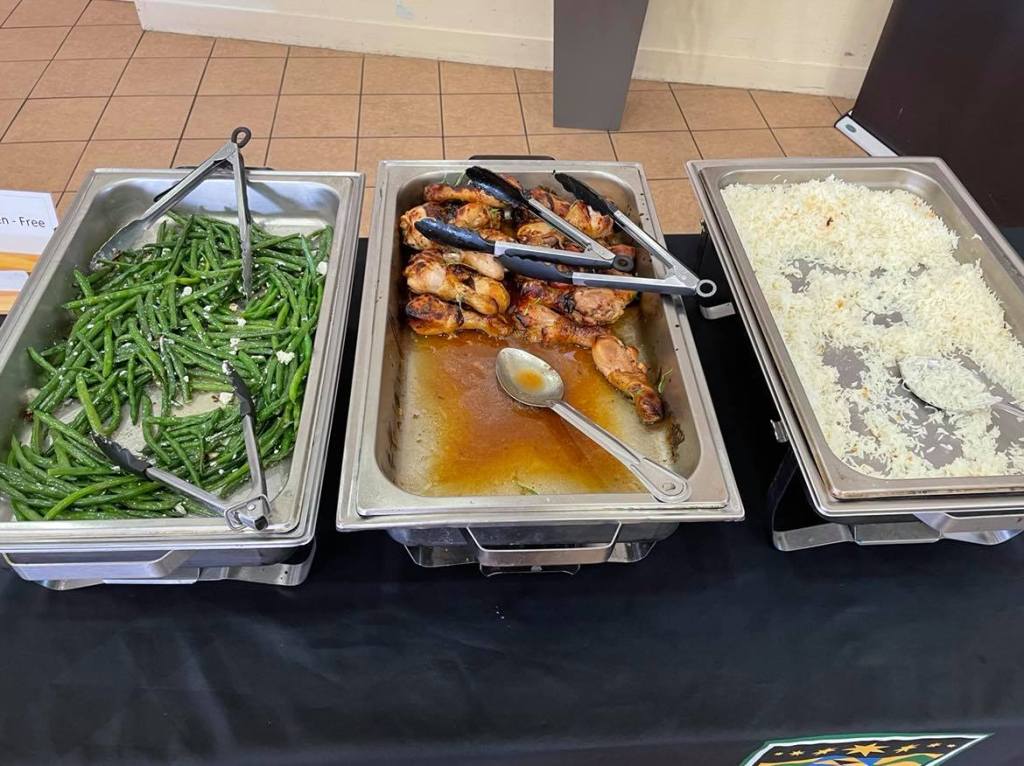
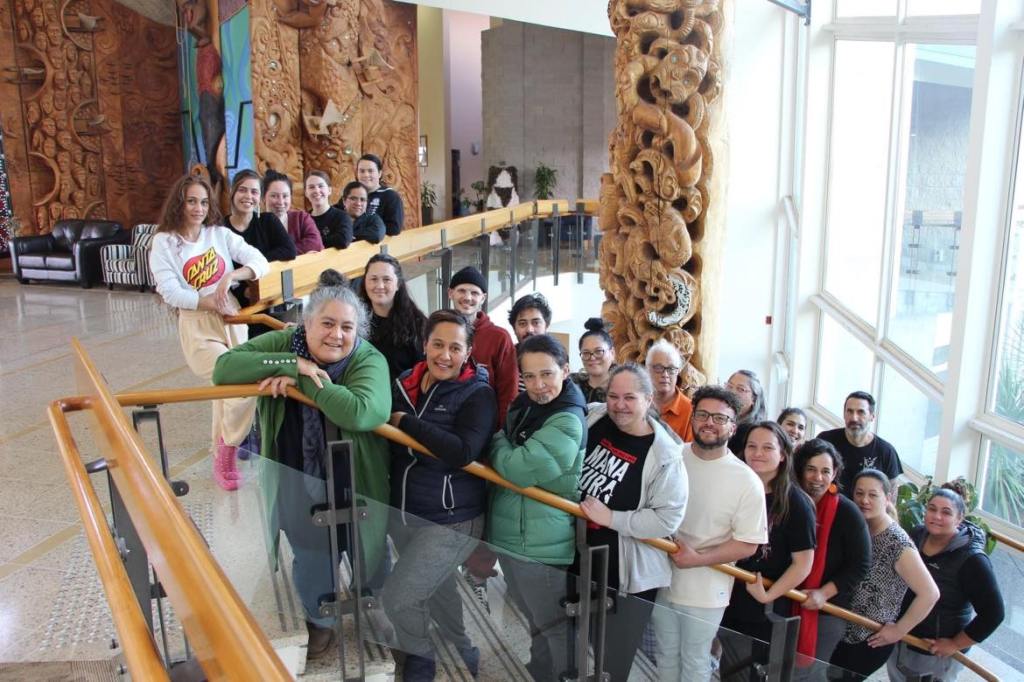

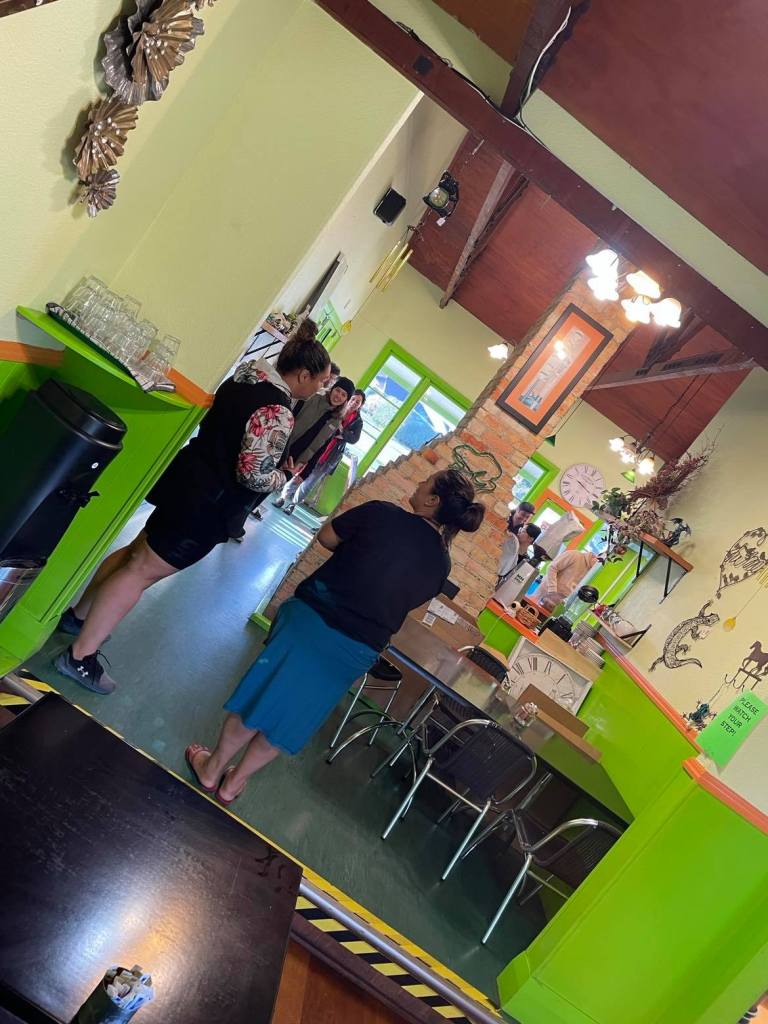
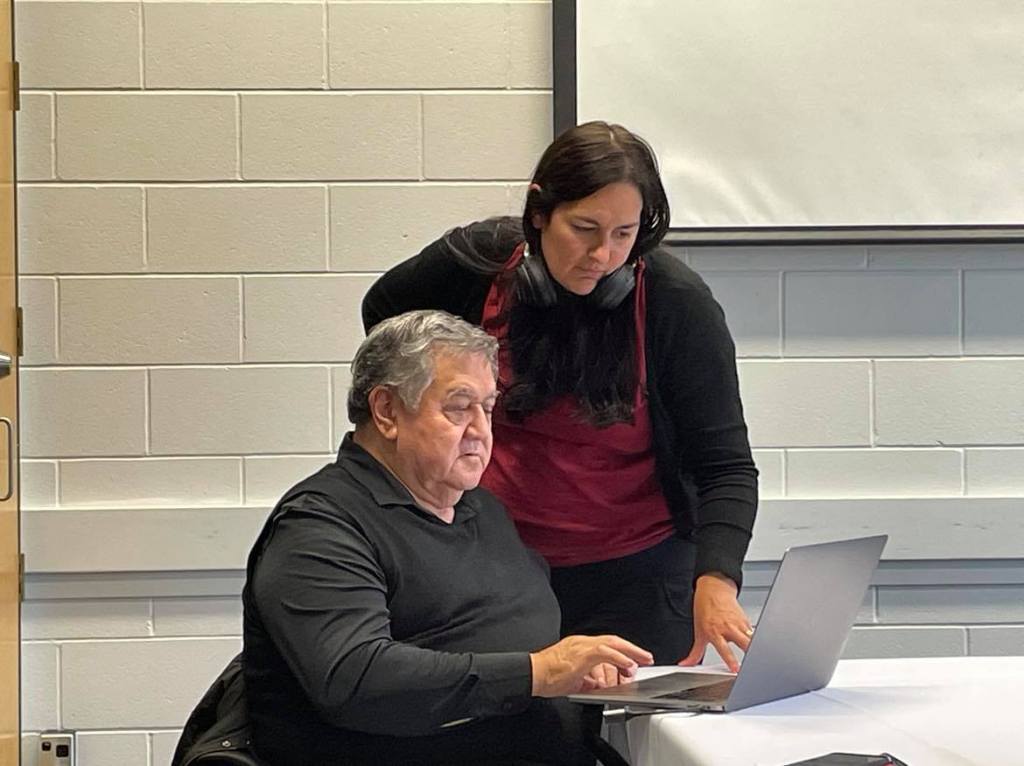
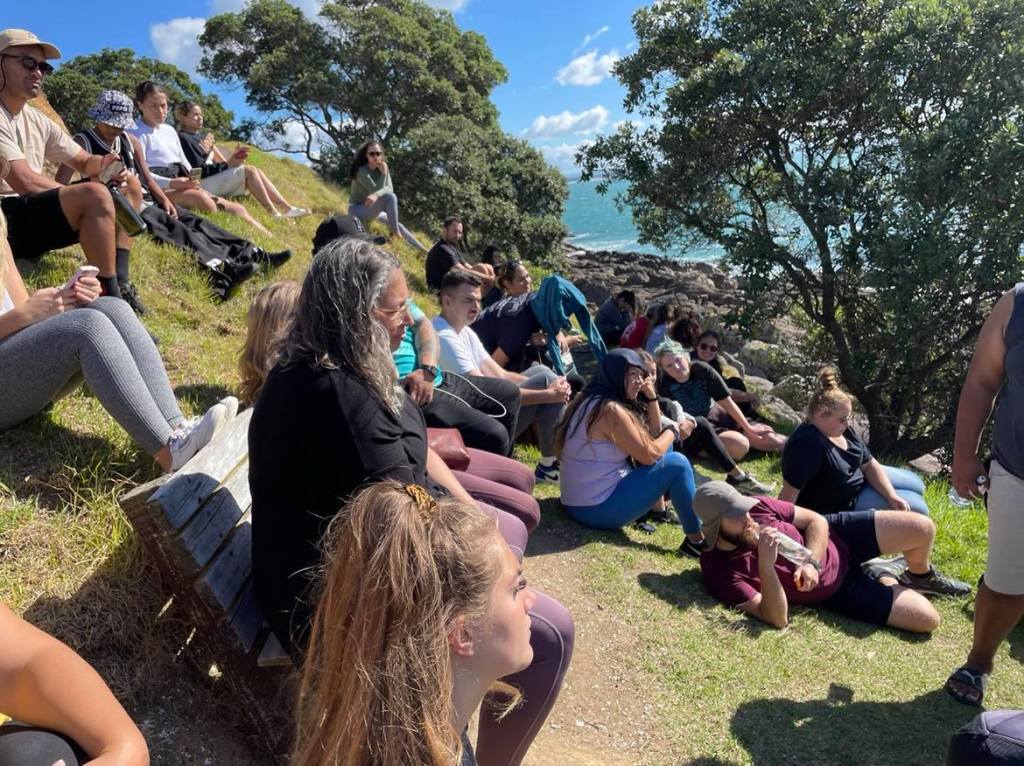
Writing retreat coordinated by Te Toi o Matariki Maori, Masters students and MAI ki Waikato, PhD researchers, hosted at Waikato-Taini Endowment College at Hopuhopu, Ngaruawahia.
With the suspension of traditional kanohi ki te kanohi lectures, workshops, writing retreats and other educational gatherings, the Covid-19 lockdown has forced academia to explore different ways to stay open and remain connected. Research around the development of online environments that help Māori meet social, political, educational, and cultural aspirations is emerging. The field of tertiary education leads this research and investigates ways to provide online opportunities that create conditions that promote te ao Māori, a Māori worldview, aspiration for Māori scholars.
Wānanga tuhutuhi mariko, virtual writing forum is a term coined by Hone Morris a fellow Māori researcher. Covid’s delta variant forced the Aotearoa Leadership to take the country into alert level 4 lockdown on 14 February 2021. Te Wheke a Toi, Massey University’s Māori Support Unit had planned to meet at a writing retreat in Auckland to work on their mahi rangahau, research. Due to the lockdown it was decided to continue the retreat in an online forum. The online writing space of Wānanga tuhutuhi mariko was born.
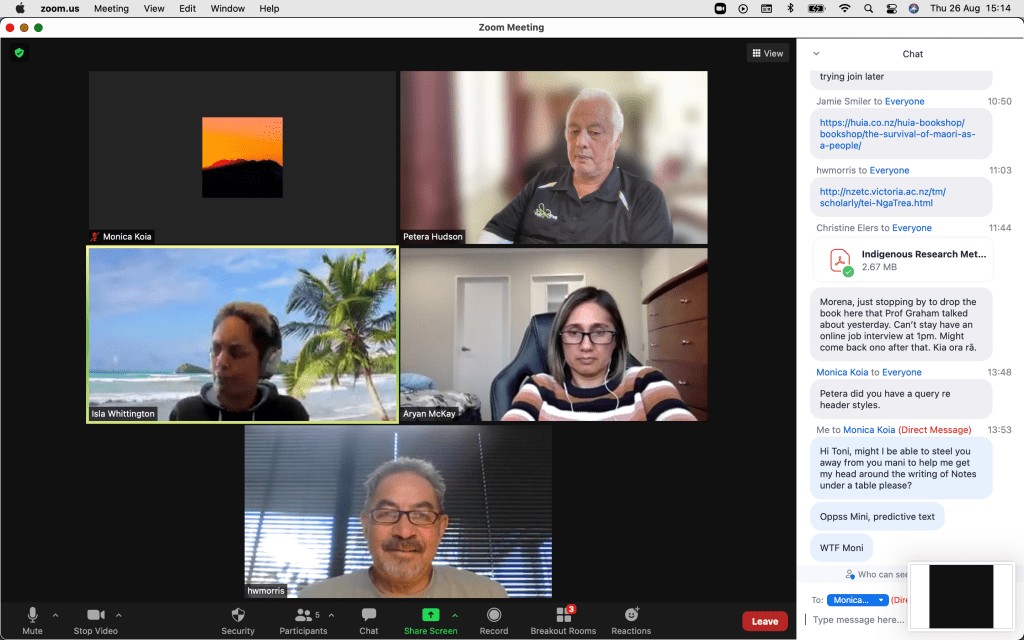
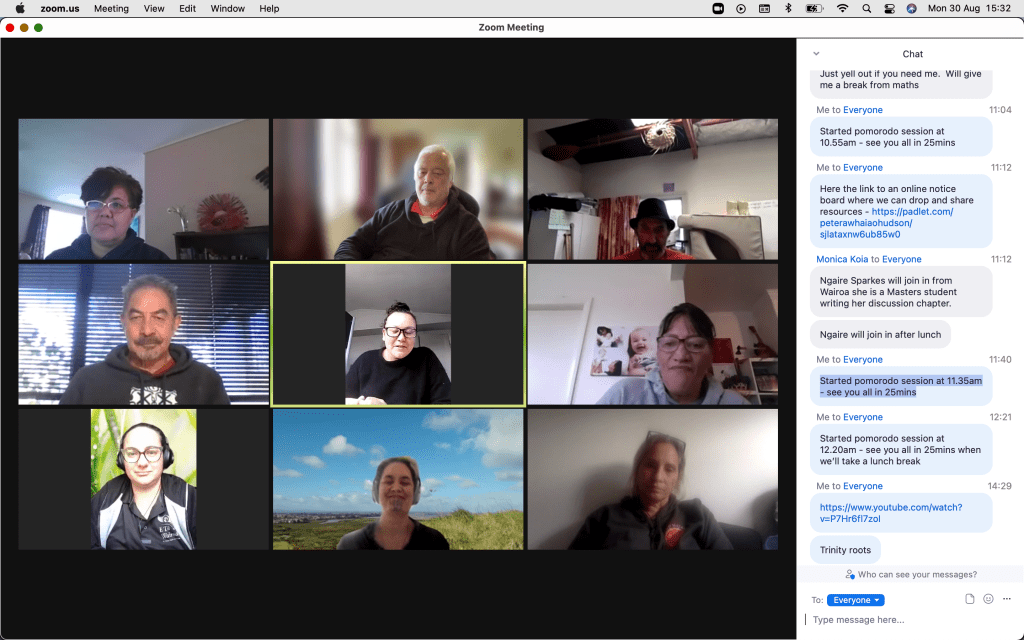
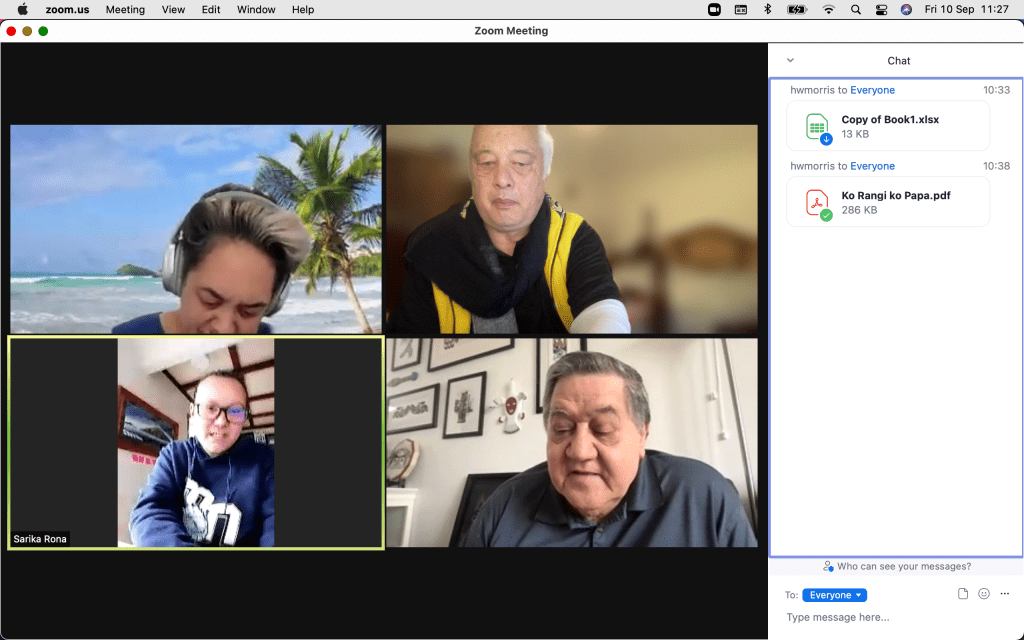
Zoom video communications is the online platform utilised to facilitate Wānanga tuhutuhi mariko. Zoom is a cloud-based programme that offers video and audio conferencing, chat and offers the facility to produce webinars across mobile, laptop and desktop devices.
Zoom, like many of the other video and audio conferencing platforms offers:
- 3rd Party integration, ie: mobile devices, other conferencing apps – Microsoft Teams
- Transcription facilities
- Breakout rooms
- Fun features including virtual backgrounds, key board short cuts, video joining options and one feature I use for early morning, touch up appearance (-;
Kanoho ki te kanoho is our preferred way to meet and we are so aware of the challenges of online hui/workshops/etc:
- Māori prefer face-2-face meeting
- New facilitation skills required by online organisers
- Technical difficulties
However, as an alternative meeting place especially a space of virtual writing here are some of the benefits:
- more accessibility for all Māori researcher across locations,
- more inclusion for those unable to travel,
- limited spend on on hui set up,
- less travel cost for retreat participants,
- a virtual space continues to encourage individual goal setting and more importantly accountability to those goals through a public presentation at our daily whakawatea and debrief at out whakamutunga
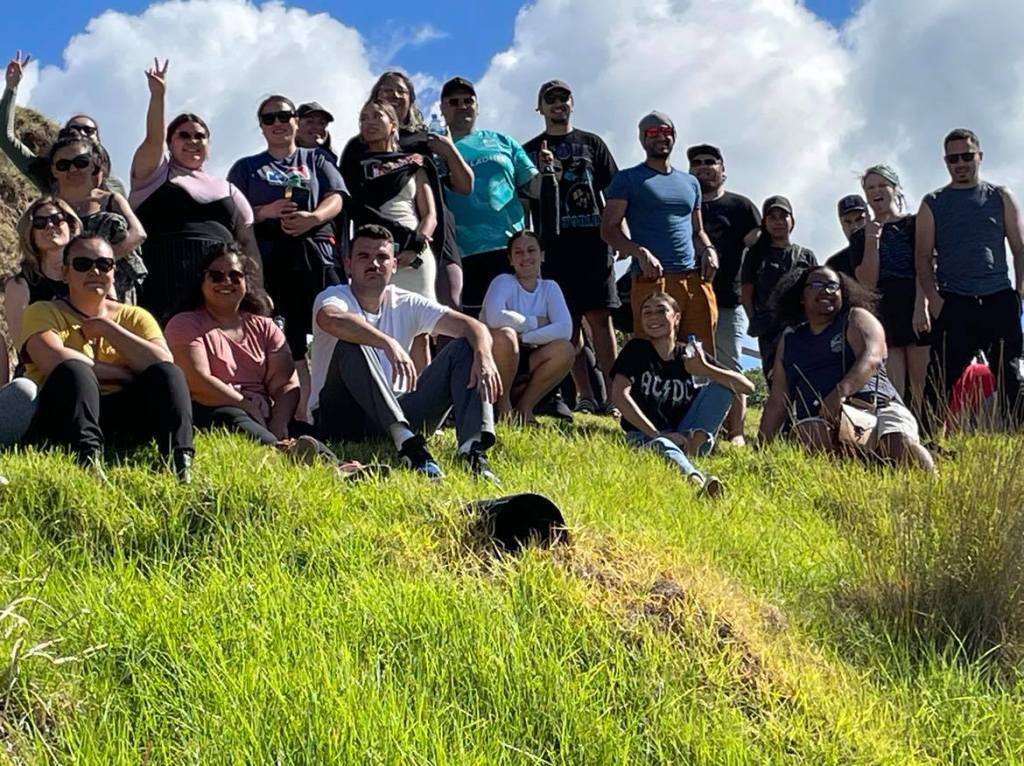


What can we do to help Māori meet social, political, educational, and cultural aspirations in an online space?
Research has highlighted the fact that Māori prefers kanohi ki te kanohi as the way to gather and meet. Emerging research has identified that kanohi ki te kanohi provides a bridge for people to feel the emotional sensations of wairua, therefore, enhancing the online experiences. The research identifies the warmth of the room, the connection with people through hariru, through hongi, or through a hug, when you first meet those people from a wairua perspective, the emotional sensations.
Research also suggests that when:
- whakawhanaungatanga, relationships building is practised online, when
- online participants have confident relationships with digital technologies, and when
- online participants have access to resources including people and materials;
these conditions help promote cultural, educational, political and social aspirations for Māori scholars meeting in a virtual meeting space.
 AI connecting our Whānau