As part of my Postdoctoral Fellowship, Exploring AI for Cultural Well-being in Indigenous Communities: Local and Global Perspectives, I undertook an international visit to Hawai‘i, Montréal, and Vancouver to engage directly with Indigenous researchers, technologists, artists, and knowledge holders, fostering dialogue on how AI can reflect and uphold Indigenous values, language, and sovereignty. Grounded in Kaupapa Māori and Indigenous-led methodologies, these visits centred on whanaungatanga, manaakitanga, and relational accountability—demonstrating that in-person engagement is vital for building trust, deepening collaboration, and co-creating culturally grounded, ethical approaches to AI.
Hawai‘i Visit (Days 1-4)
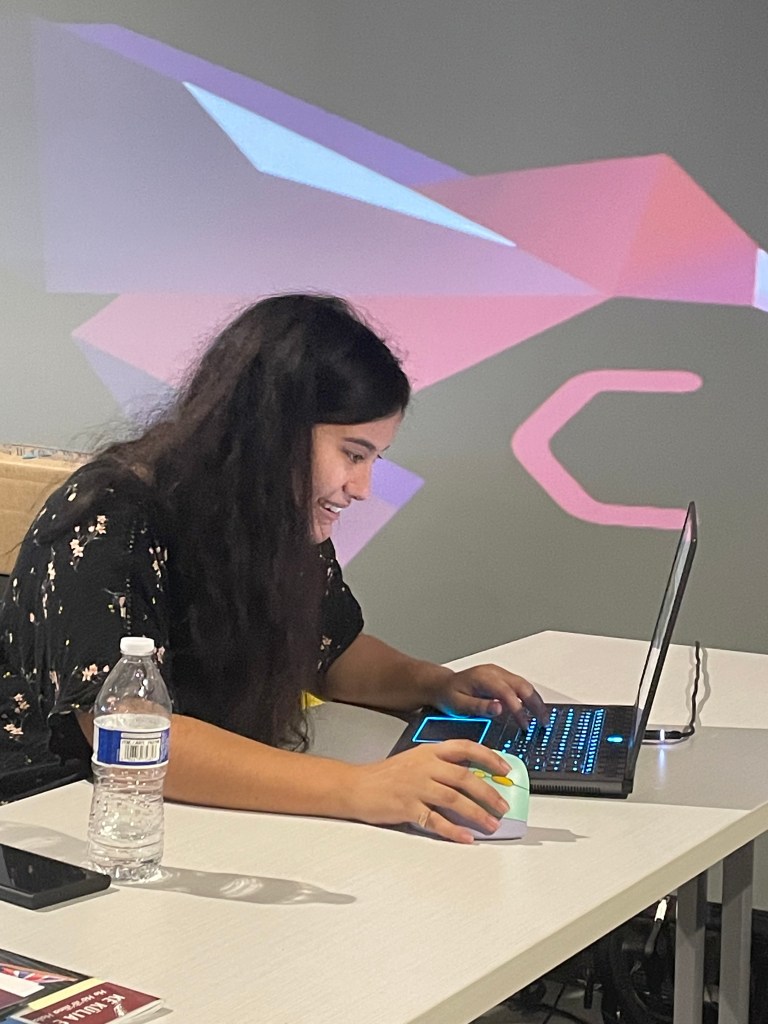
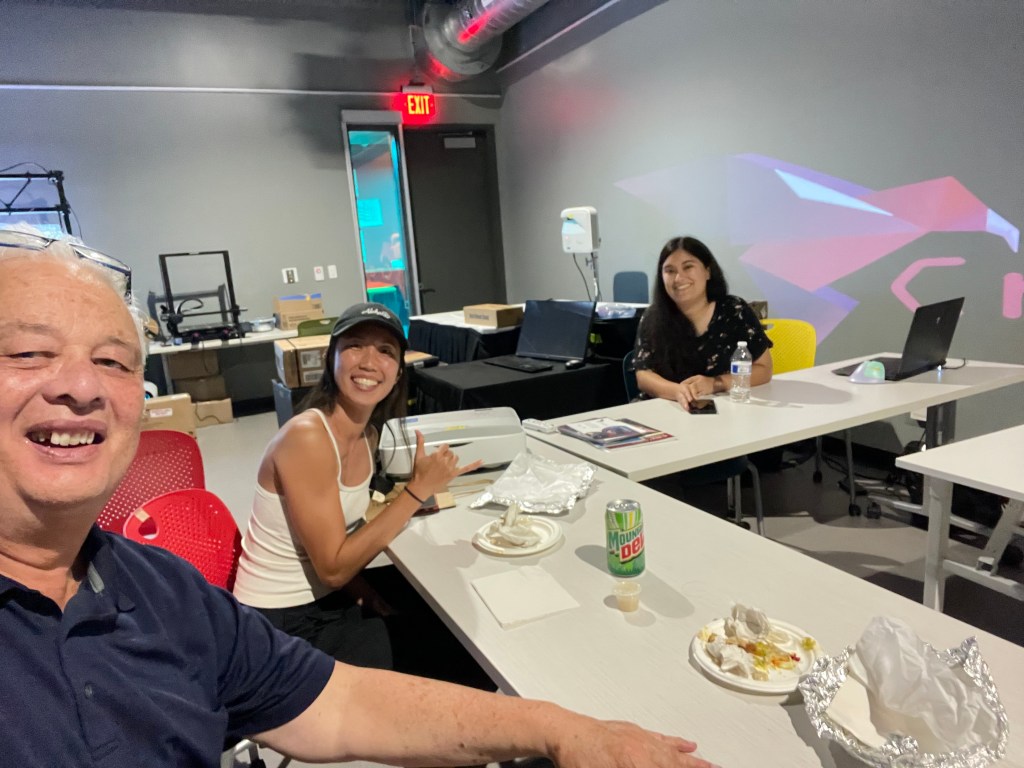
The Hawai‘i leg of the journey opened the 13-day international research exchange by deepening relationships with Native Hawaiian scholars and practitioners whose work, like that of Māori, is rooted in genealogical ties between people, ‘āina (land), and ‘ike (knowledge), with a focus on Indigenous approaches to environmental data, sustainability, and long-term AI futures. Site visits and conversations—from soil health and climate resilience to the innovative work at Create(X) – Lava Lab—highlighted how Indigenous agricultural systems and digital design practices can inform AI development grounded in cultural responsibility, environmental feedback, and relational knowledge.
People and Institutions Engaged
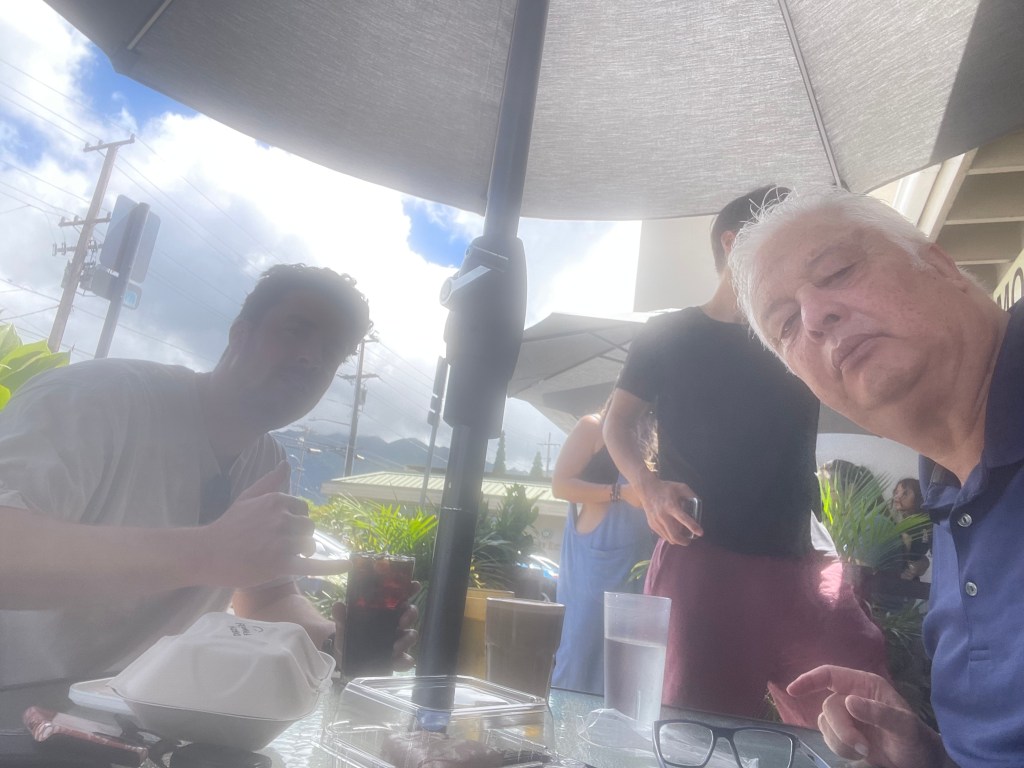
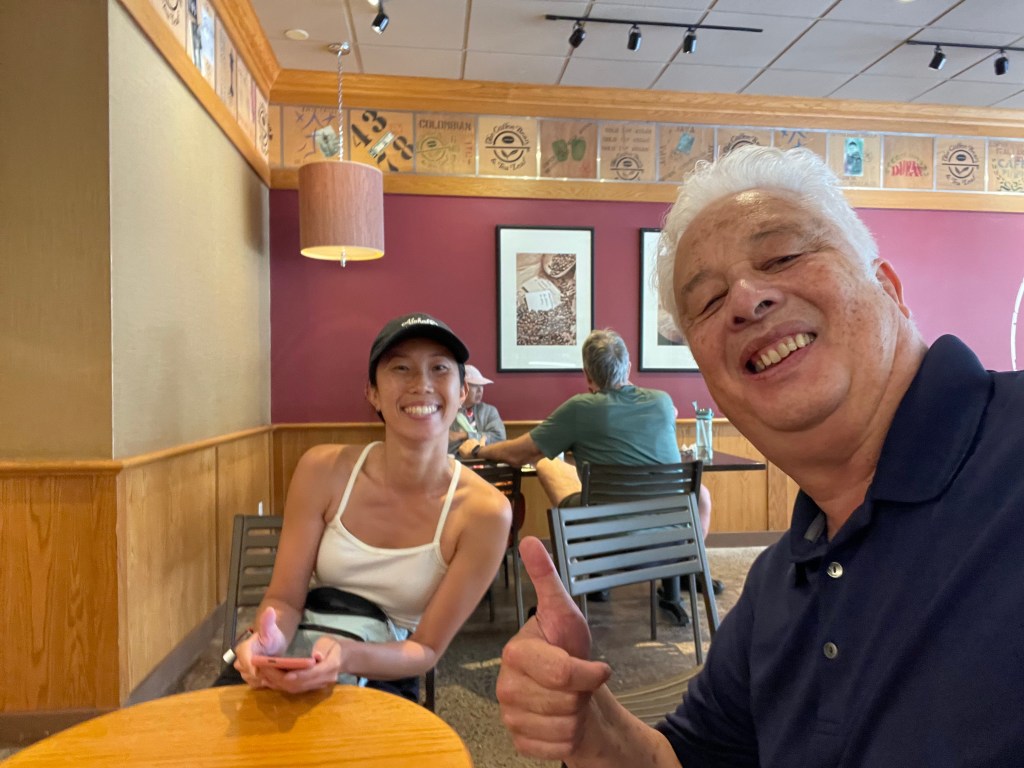
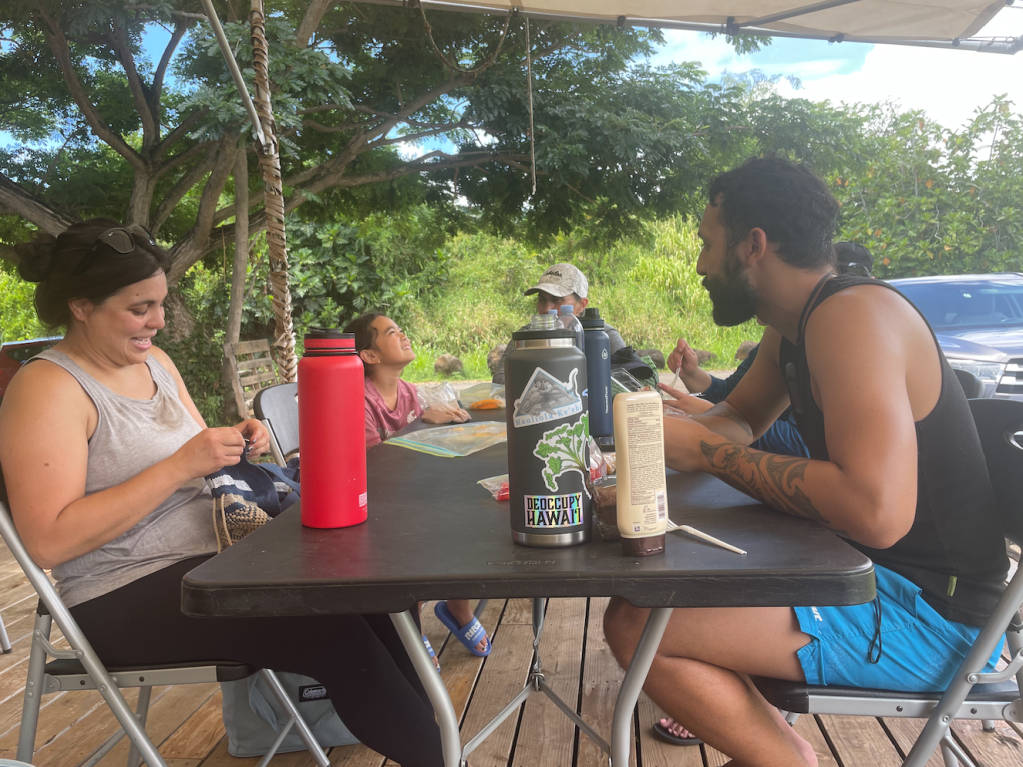
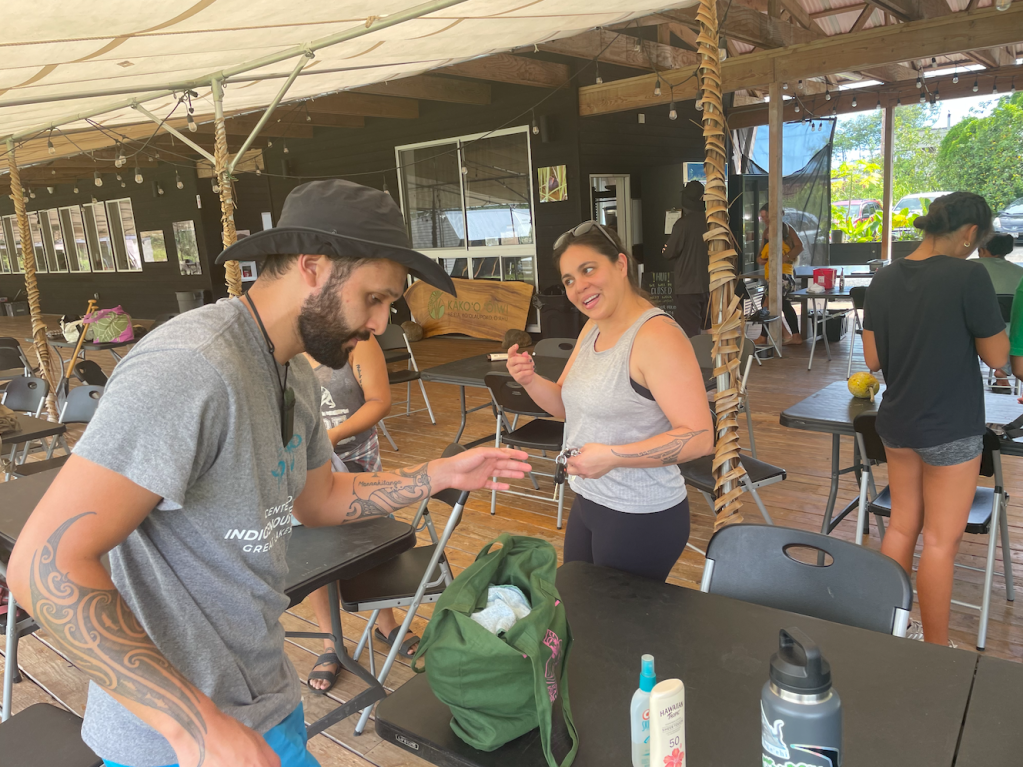
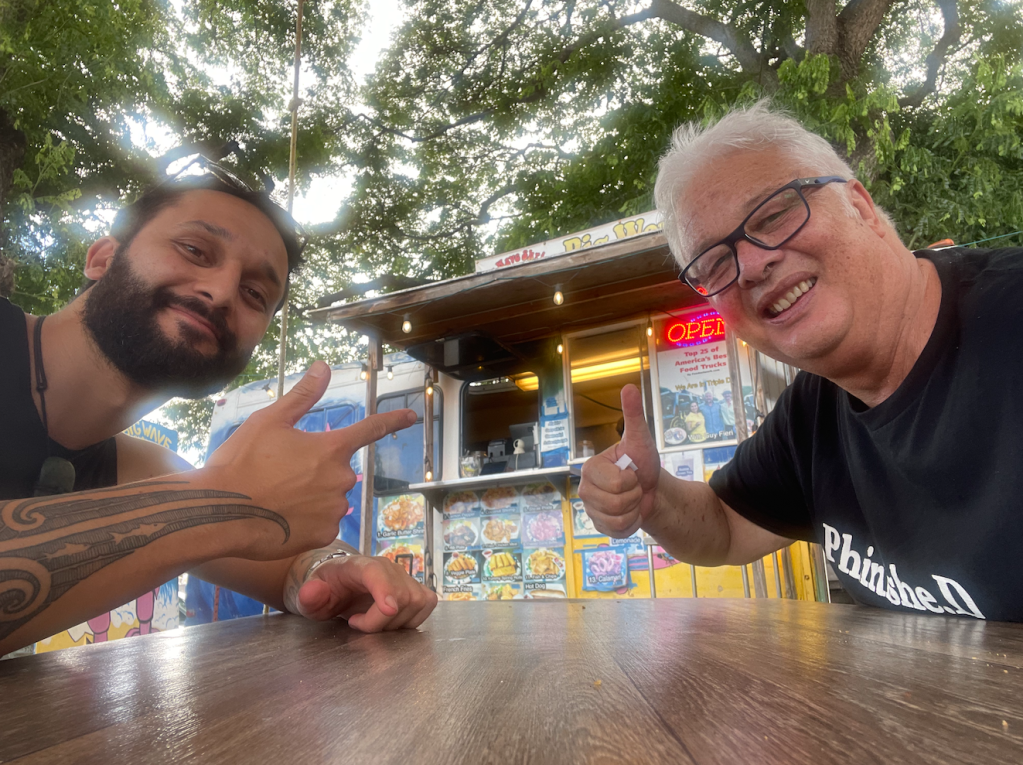
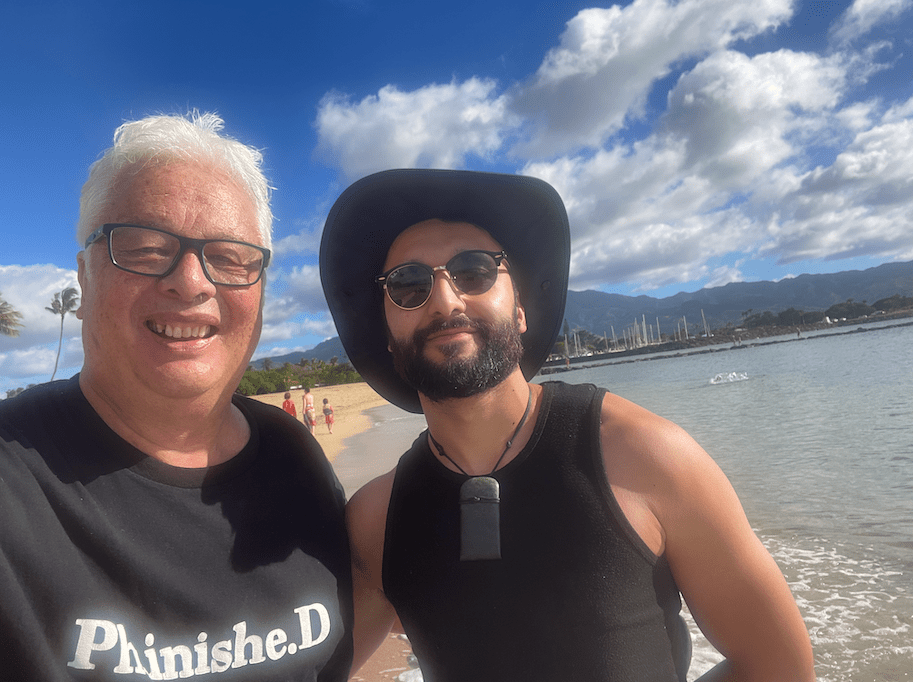
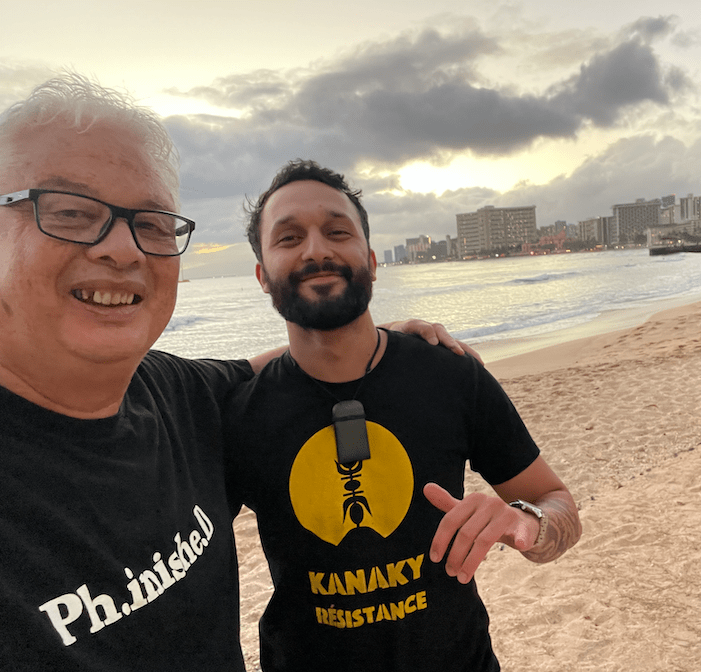
The Hawai‘i leg of the journey offered a powerful opportunity to connect with a dynamic network of Indigenous researchers, technologists, and community leaders – Kristy Lam, Dan Richardson, Kari Noe, Mele Moniz, Mapuana Antonio, Finley Ngarangi Johnson, and Mei Lim Park, whose work spans environmental science, creative technology, health, law, and Indigenous methodologies, deepening cross-Pacific collaboration between Māori and Native Hawaiian scholars. These engagements, including site visits, shared meals, and deep kōrero, affirmed that any Indigenous-centered AI system must be grounded in community, land, and cultural responsibility, while highlighting the value of slow, relational, and ethical research practices across Indigenous contexts.


Volunteering at Hawai‘i Taro Farm with MAI ki Hawai‘i
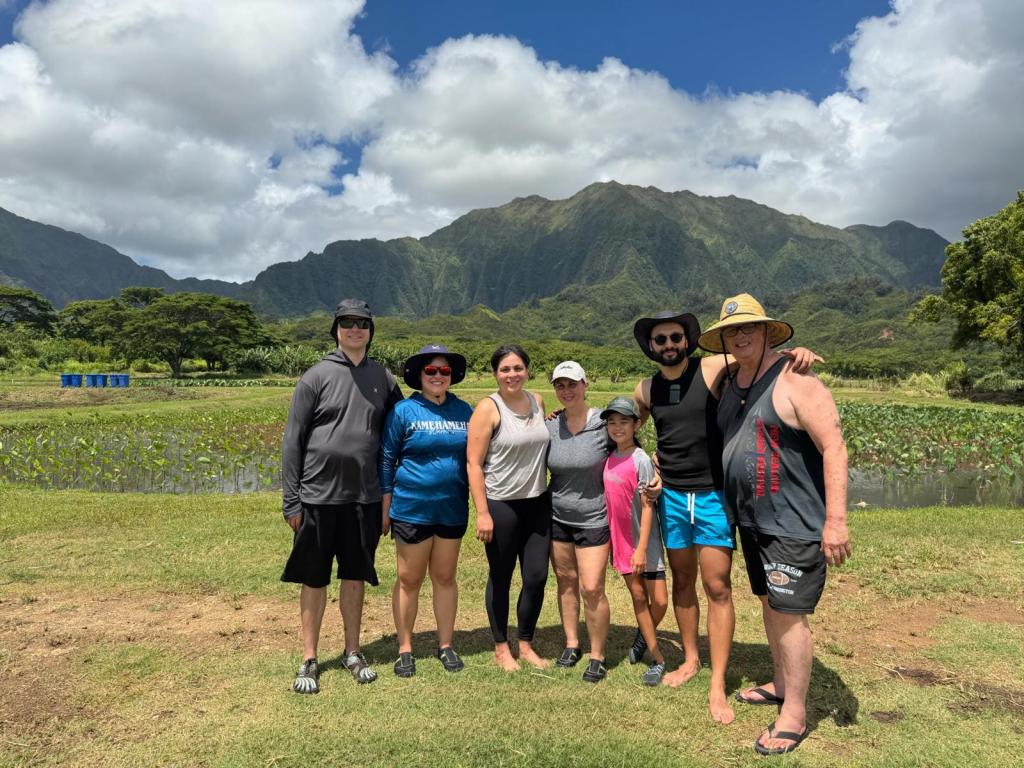
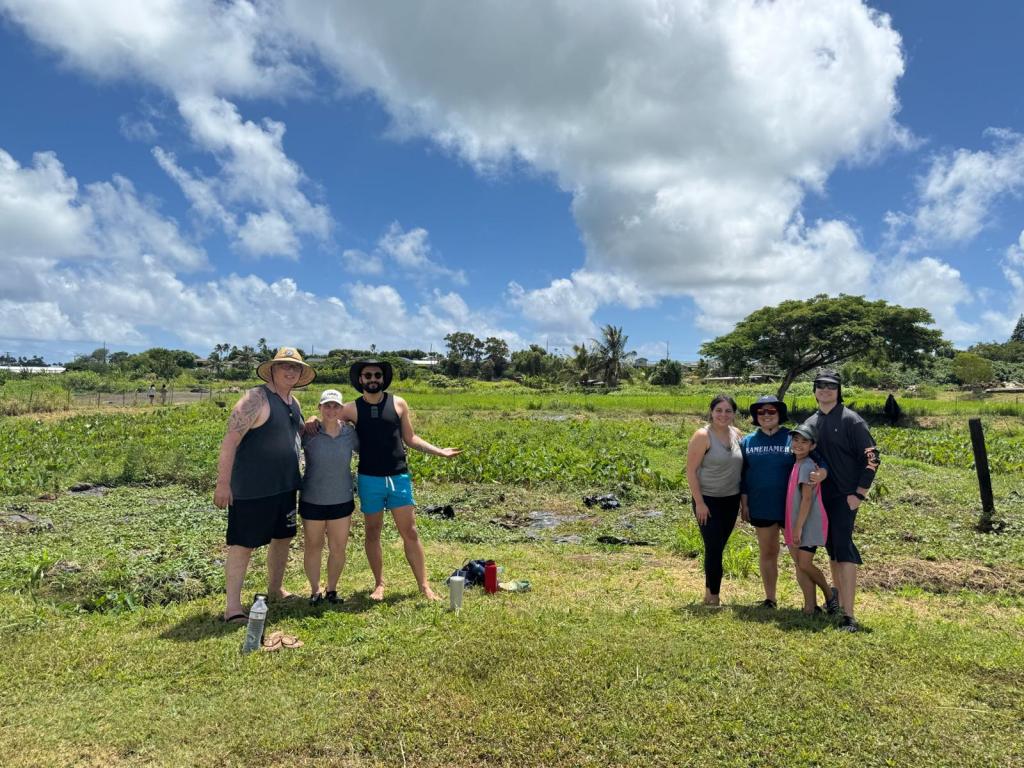
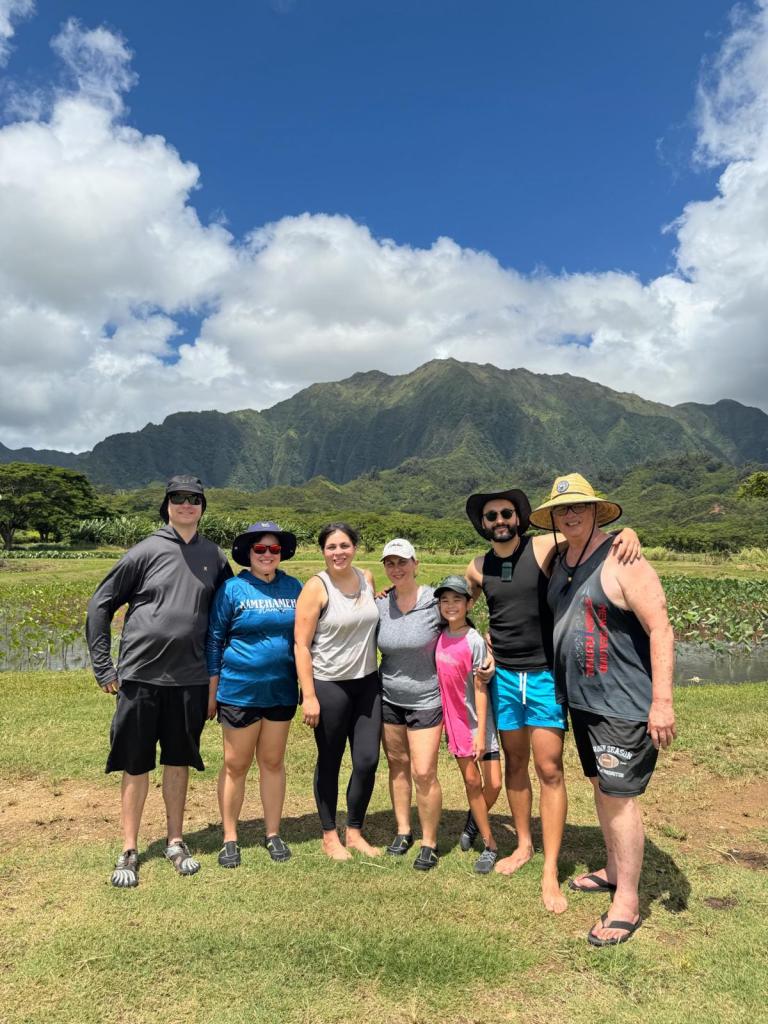
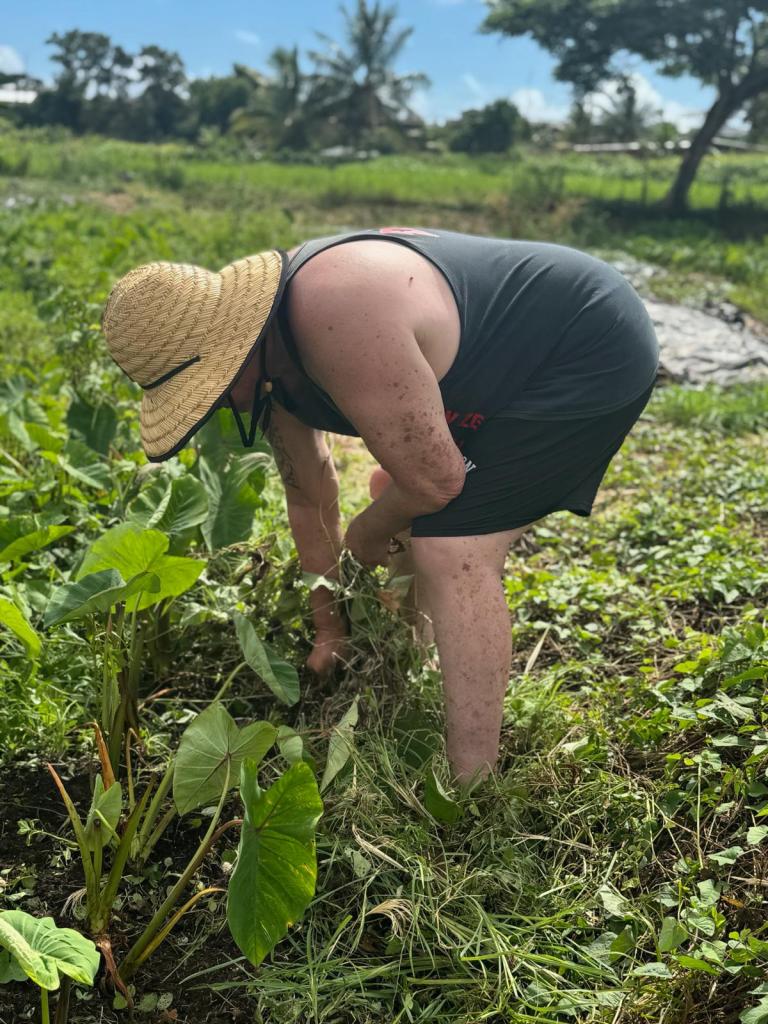
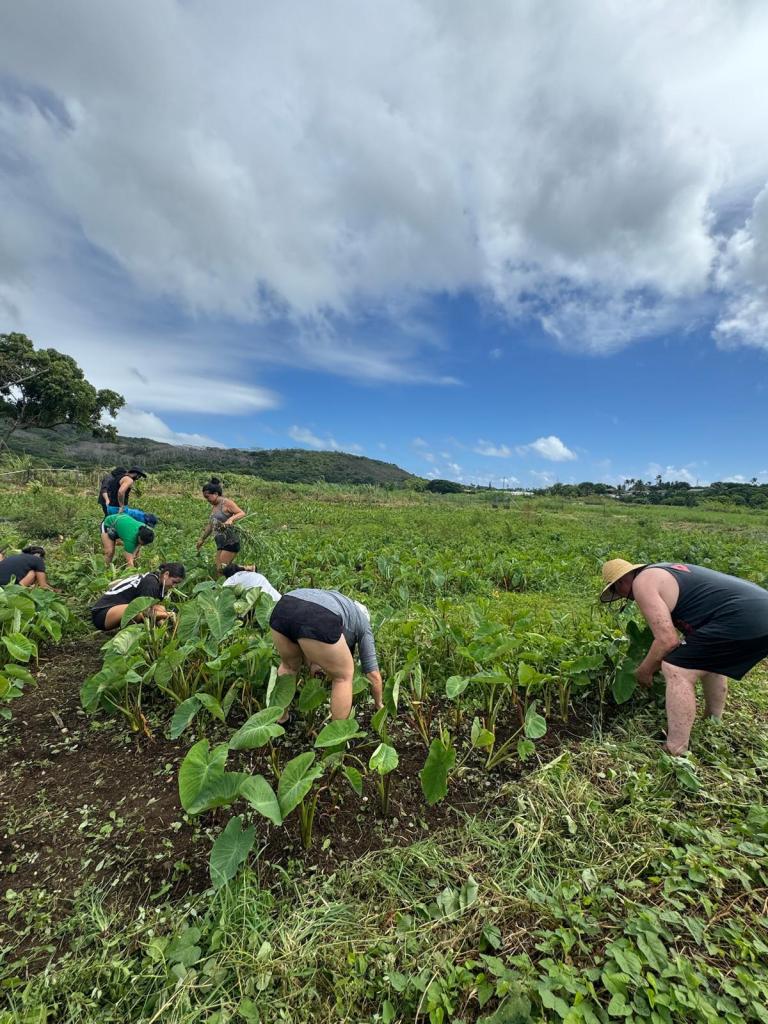
Volunteering at Hawai‘i Taro Farm alongside Mapuana Antonio, her mother Alvina, sister Maka, husband Chris, daughter Mikayla, and Finley Ngarangi Johnson offered a profound moment of cultural solidarity, as we weeded the lo‘i kalo (wetland taro patch) together, ankle-deep in mud and guided by Hawaiian farmers, in an act of service grounded in care, reciprocity, and connection to land. This embodied experience reaffirmed the role of land-based practice in Indigenous research and offered insight into how Indigenous agricultural observation, such as reading water clarity, wind patterns, or the tilt of taro leaves, might inform more relational and respectful approaches to AI design.
Mapuana Antonio
Dr. Mapuana Antonio, Associate Professor and head of the Native Hawaiian and Indigenous Health Program, is a Native Hawaiian scholar whose strengths-based, community-led research focuses on holistic health, healing, and resilience within Native Hawaiian communities. As Principal Investigator and co-lead on multiple projects—including Ke Ola O Ka ‘Āina and Project Mōkiha—her work centers ‘āina-connectedness and expands definitions of health to reflect Native Hawaiian worldviews, while addressing the structural and socio-cultural determinants of wellbeing.
Finley Ngarangi Johnson
Finley Ngarangi Johnson is a Fulbright scholar and research student at Te Herenga Waka—Victoria University of Wellington, where he explores themes of Indigenous mobility, language revitalisation, and cultural continuity. His work bridges academic research and lived experience, contributing to the strengthening of Indigenous intellectual sovereignty across international contexts.
Montréal – Abundant Intelligences AGM (Days 5-8)
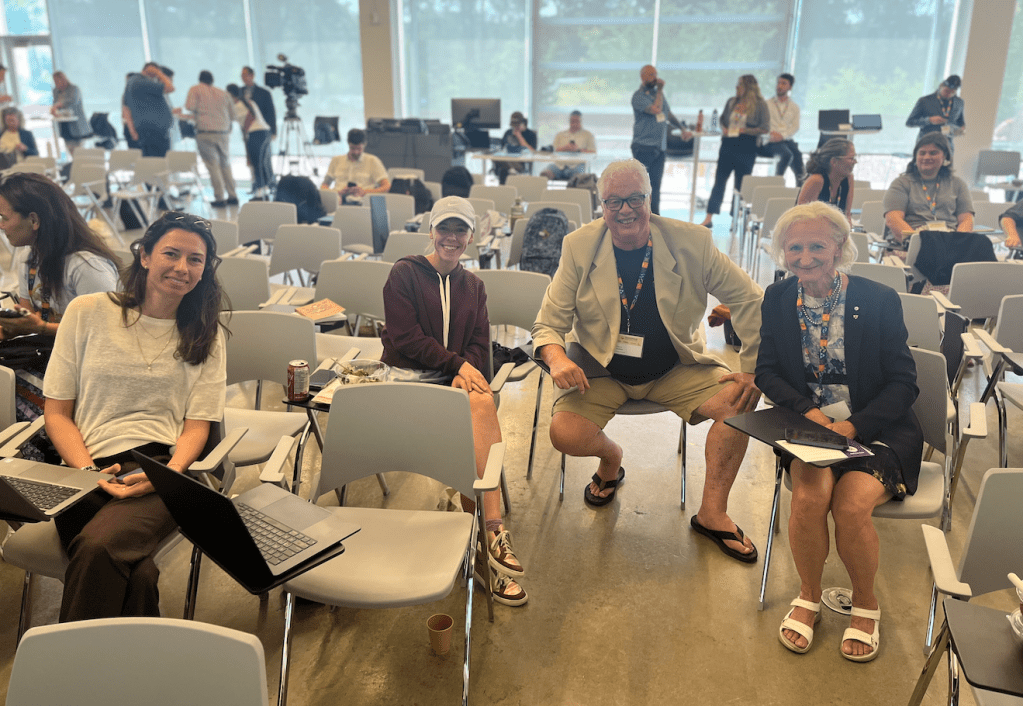
From Days 5 to 8 of the Abundant Intelligences 2025 AGM in Tiohtià:ke/Montréal, I joined a dynamic gathering of Indigenous scholars, technologists, and knowledge holders focused on advancing Indigenous-led AI grounded in cultural values, relationality, and sovereignty. My role included presenting on Kaupapa Māori AI frameworks, contributing to cross-cultural dialogue on integrating Indigenous knowledge into AI systems, and participating in key events, such as innovation pitches, panels, talking circles, and networking gatherings, that deepened strategic alignment and collective momentum for Indigenous AI futures.
Vancouver Visit (Days 9–13)
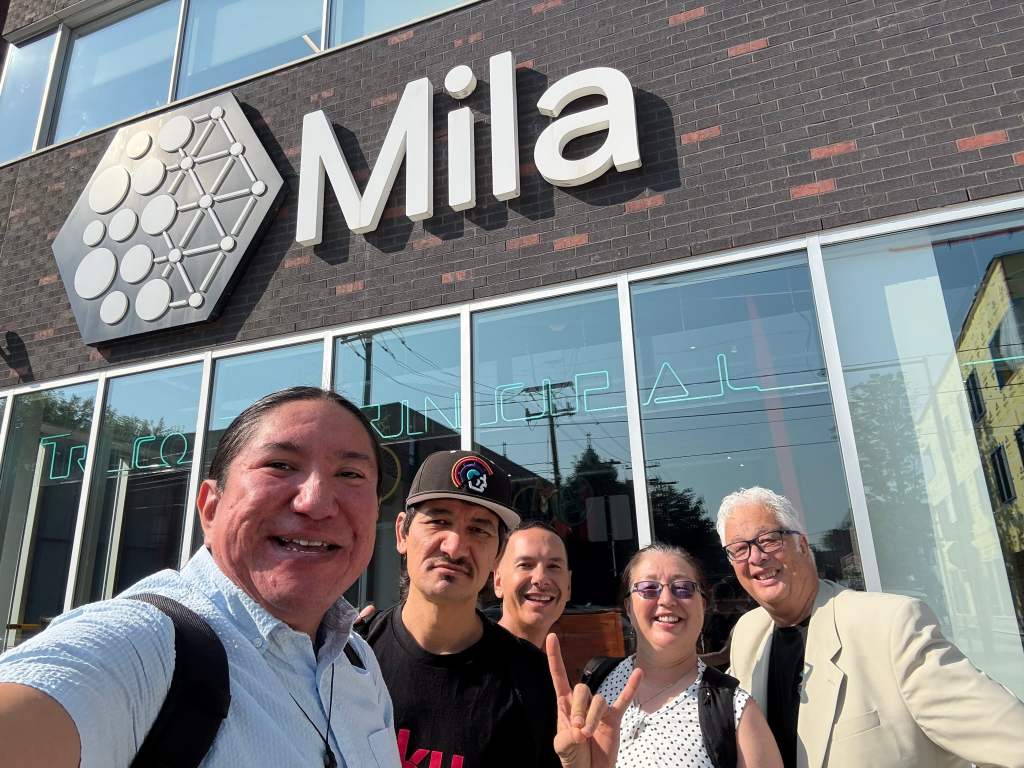
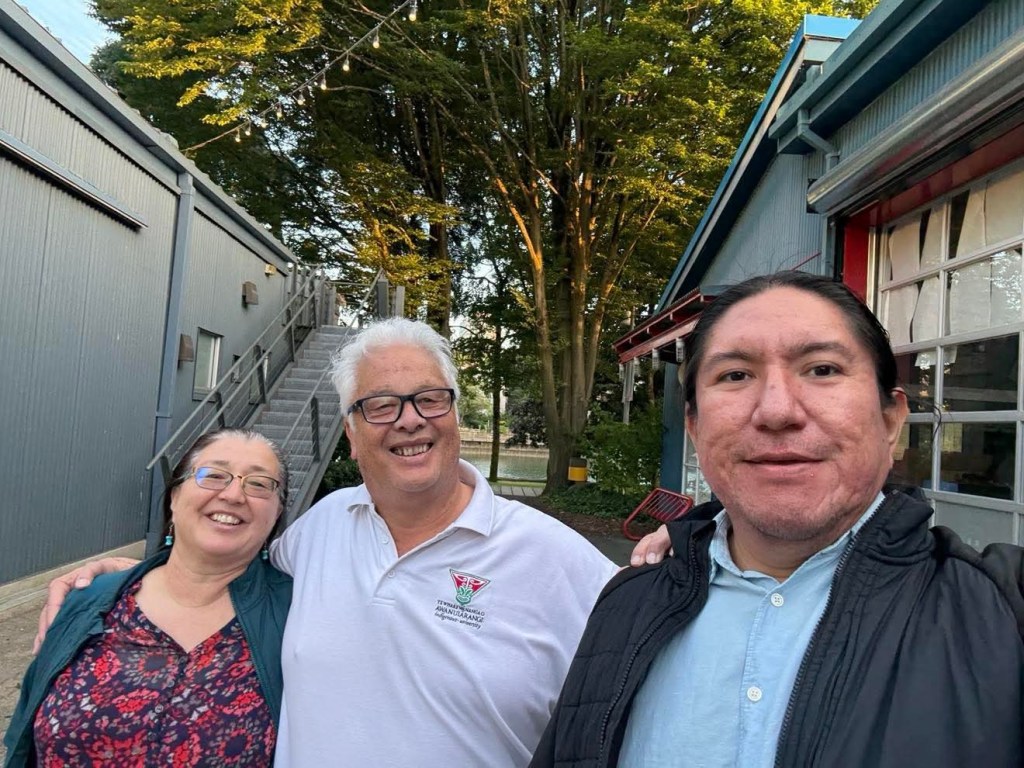
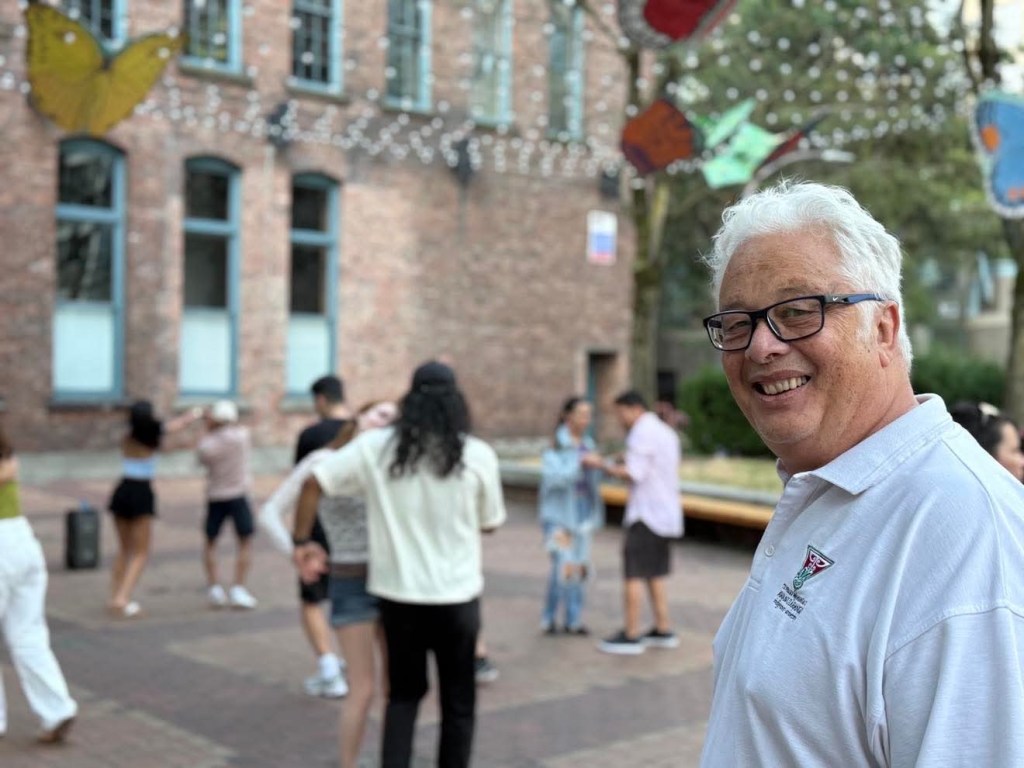
The Vancouver leg of the journey (Days 9–13) focused on reconnecting with Indigenous tech leaders and exploring how AI is being developed and contested within urban Indigenous contexts, building on conversations from the Aotearoa Abundant Intelligences AGM 2024. Central to this visit were deepening relationships with the FLAIR Lab, an Indigenous-led initiative affiliated with Mila, and engaging with Caroline and Michael Running Wolf to explore collaborative research, cultural algorithm design, and trans-Indigenous approaches to ethical AI and language revitalisation.
Whānau time with Angus, Madison and Alli
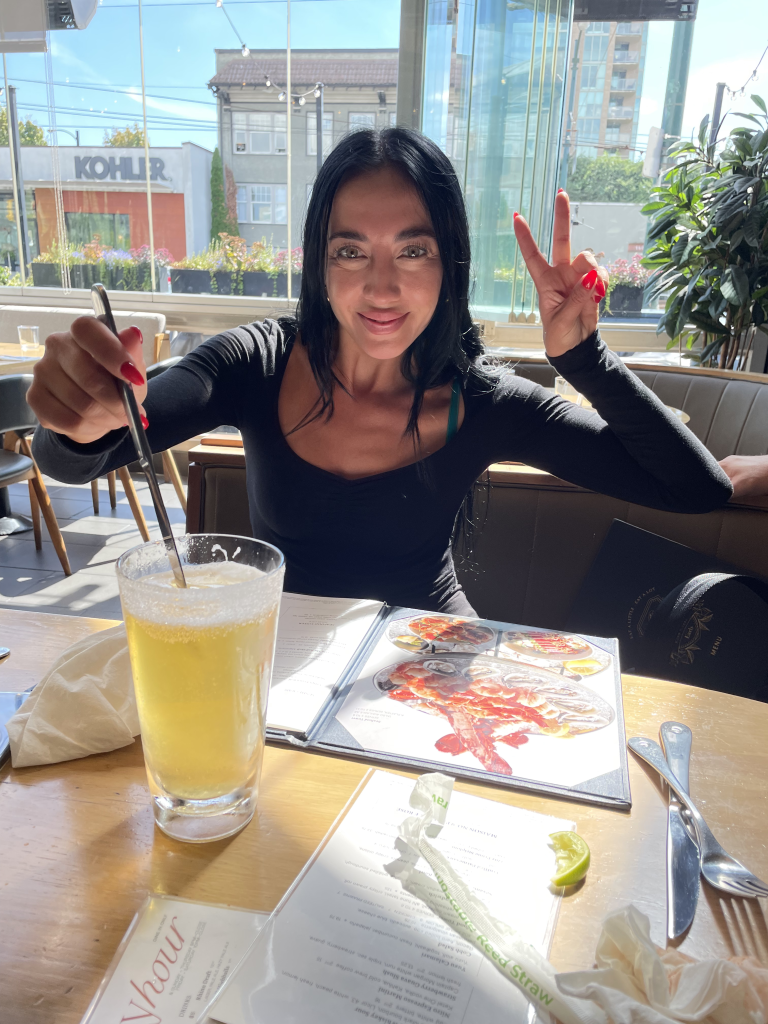
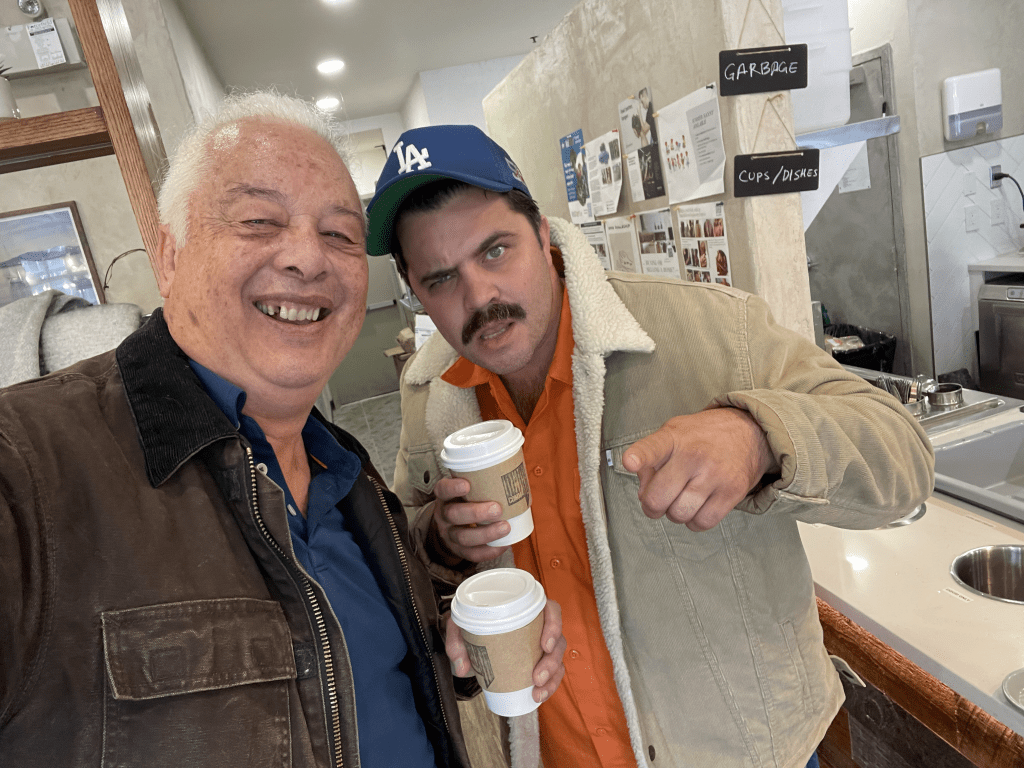
During my recent travels to Vancouver, BC, I took some time for whānau and connected for the first time with the mokopuna of my mum’s first cousin, Uncle John, and his wife, Aunty Mimi Boynton. I stayed with their grandson, Angus, and his partner, Madison, enjoying some quality time together. I also had the chance to catch up with Alli, making the visit even more special.
 AI connecting our Whānau