Amoamo whānau migration

I was born within the cultural boundaries of Te Whakatōhea in the township on the east coast of the North Island of Aotearoa, the picturesque town of Ōpōtiki.
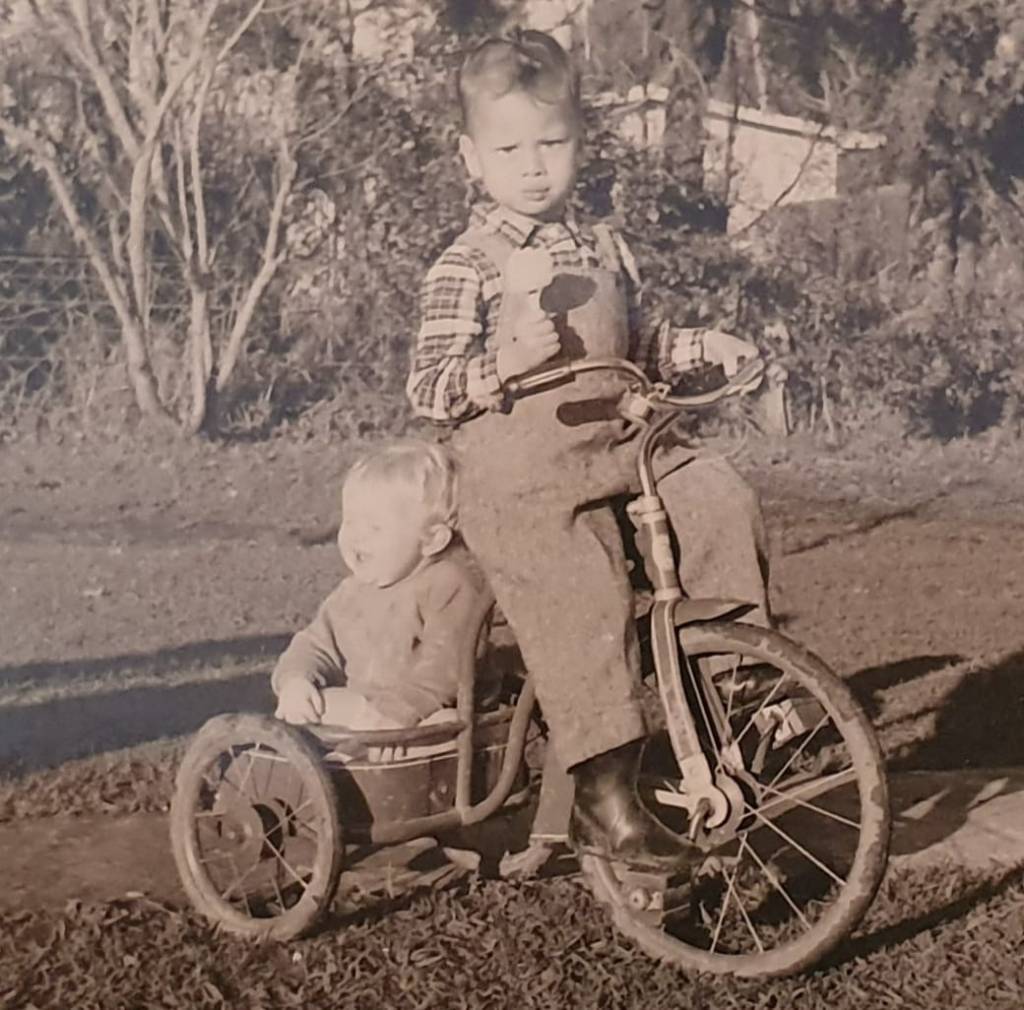
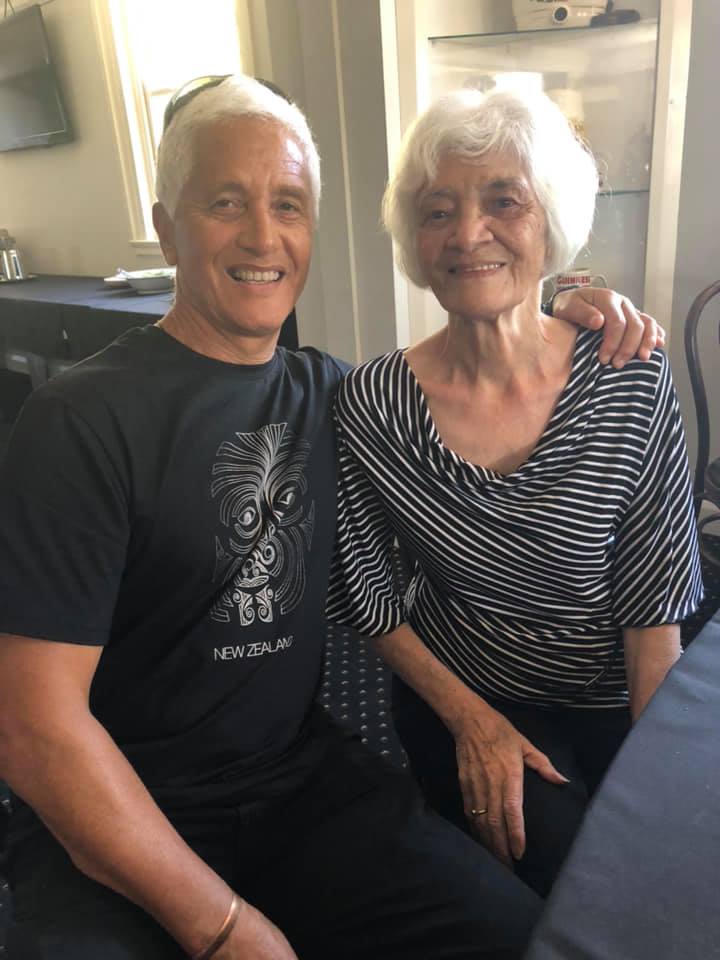
Alle Gray-Ure and I eating ice cream in Ōpōtiki, well I am, Alle must have dropped hers??

My teenage years saw me leave Ōpōtiki for the ancestral lands of Tainui-Waikato in the pursuit of secondary and tertiary education.

This is migration as we know it.


An educational career offered the opportunities for me to travel to other land outside of Aotearoa visiting and living on many Indigenous ancestral lands including Denmark, on the homelands of the Sámi people; on the motherlands of the Indigenous Indians of San Diego County; in Singapore alongside the inheritors and practitioners of Asian cultures; on the ancestral homelands of Auckland, Ngati Whatua, Whakatane, Ngati Awa and now here on the banks of the Whanganui awa, our home located on the shores of Castlecliff beach on the tribal lands of Te Atihaunui a Pāpārangi.

This is migration as we know it.
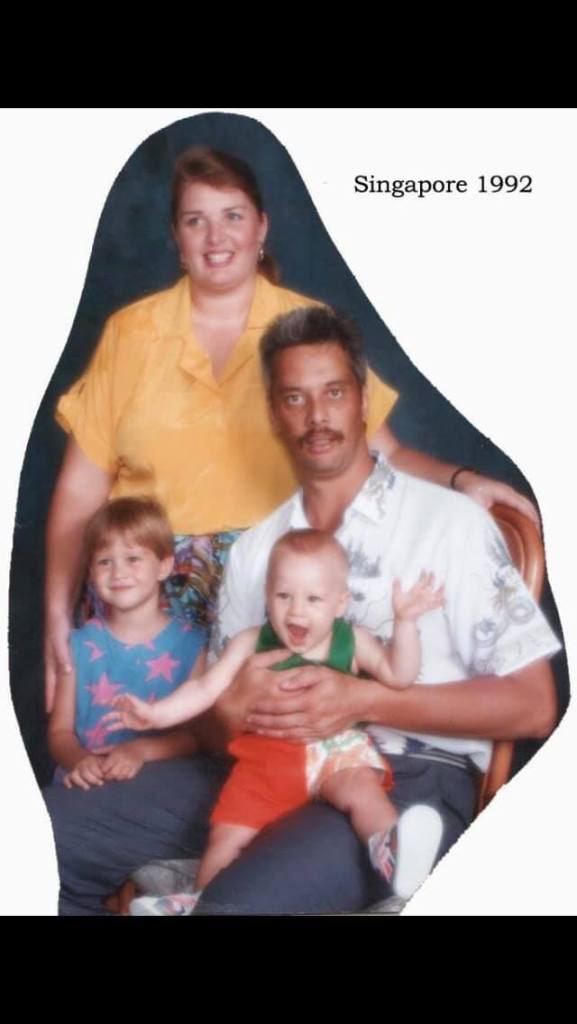

Overseas experiences, possibilities of financial sustainability and bright lights draw me to the overseas cities of Europe, Asia and the United States. My family and I would made the point to return to Te Whakatohea to be with our whānau who lived within the our tribal boundaries and to specifically gather on our marae to attend birthdays, weddings, tangihanga, holidays, and other whānau events spending periods of time connecting and reconnecting with our huge, extended, loud, wonderful whānau. My migrational escapades are not mine alone. Some of my whānau remained on our tribal lands, however, many, like me, built new homes somewhere else, some never to return.

This is migration as we know it.


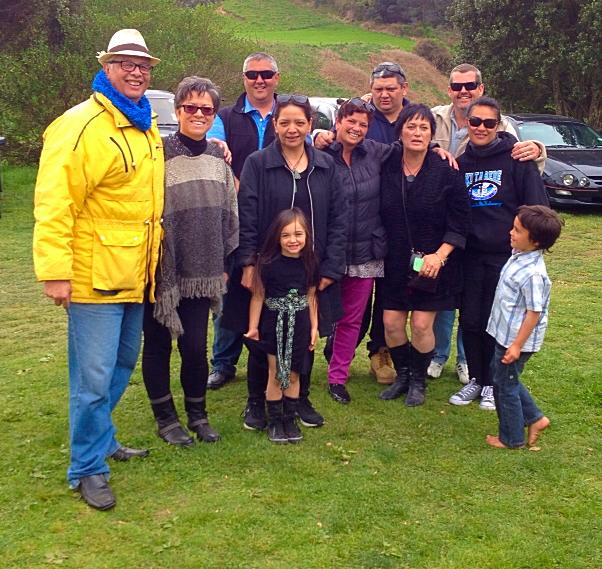
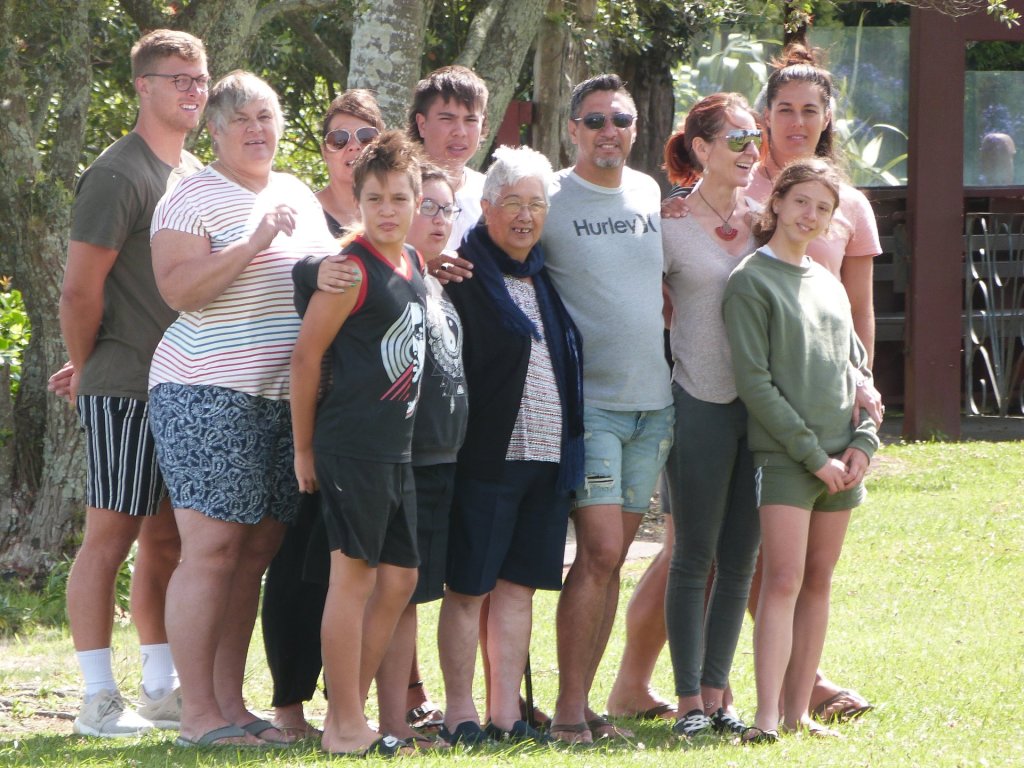
I am a whānau member of Ngā Uri o Patumoana and Raikete Amoamo. A large proportion of my whānau; children, grandchildren, aunties, uncles, cousins, nieces and nephews live away from our tribal homeland of Te Whakatōhea. In fact 83% of our whānau living outside our tribal boundaries of Te Whakatōhea; with 24% of our whānau members living outside Aotearoa.

This is migration as we know it.
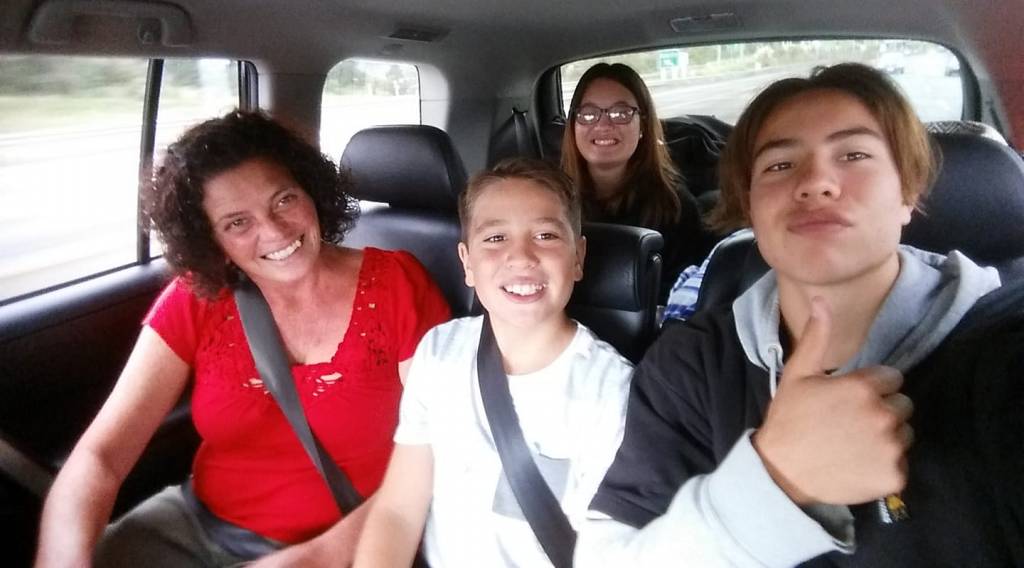

My Whānau and I have a unique physical, political and moral status as Māori, as tangatawhenua. This positioning ties us to our iwi, te Whakatōhea and our hapū, Ngati Rua. This institutional standing provides my Whānau and I the potential to support and maintain our Māori identity as descendants of Tūtāmure. My Whānau and me that live outside te Whakatōhea boundaries but inside the seaboards of Aotearoa have the distinct openings to remain connected with ease of access to ‘home’ and local whānau communities in the areas we are living. My Whānau who live in Australia also have a the geographical proximity to Aotearoa which again provides opportunities to retain connections, both through the ease of access to ‘home’ (when covid allows) and with Whānau and Māori communities living in Australia. However, I do worry about my Whānau living in Europe. I will need to talk with my cousin and ask how he and his family feel about their physical, political and moral status as Māori.

This is migration as we know it.
Who’s gonna read a 100,000 word thesis?

I can probably count the number of people who will read our PhD thesis on two hands;

1. Marie-Louise, my wife as she’s my go too grammar check extraordinaire; 2 & 3. Drs Hēmi Whaanga and Te Kahautu Maxwell, my PhD supervisors; 4, 5,& 6. the two or three PhD markers and 7. Ko ahau, Me


My whānau research is looking at how we wish to respond to Professor Mātāmua’s comment,

“Is Artificial Intelligence the new revolution or the new coloniser of Māori?”

I want to believe that our collective research hits a few more eyes and stimulates a few more brain cells than those of the 7 people highlighted above.

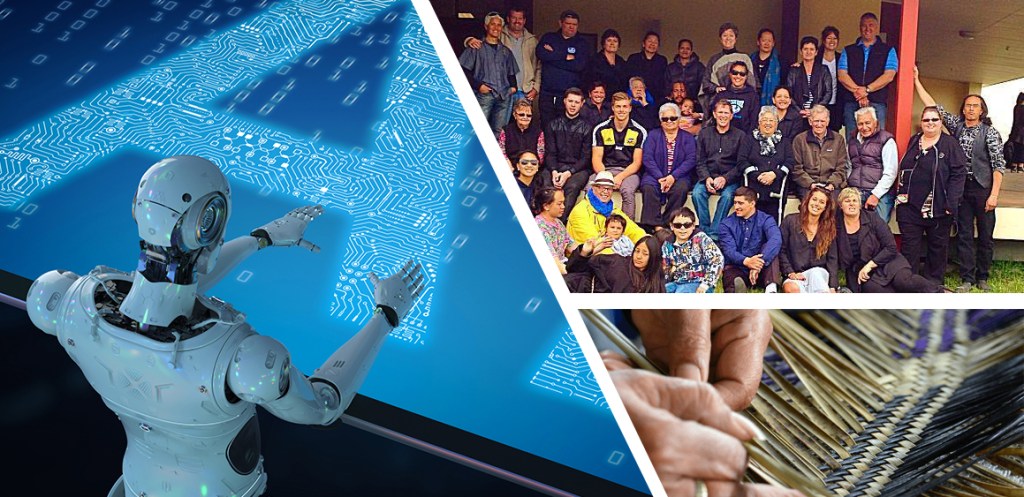
Many of my whānau has already expressed their concerns of how we are going to share the findings of our research considering the fact that the reading of a 100,000 word essay is not their preferred learning style. So our challenge is therefore to present our findings in ways our whānau will be able to learn from. These are some of the platforms we’re exploring to ensure our important mahi rangahau, our research work can be shared. (These are not in any order of preference but rather how they lined up in our whānau kōrero.)


TV series and/or documentary

Cousins Pete, Kelly & Tiwai Saxton and Shari Kameta have the knowledge, skill-set, technological know-how to learn from to create further docos. So much respect to our Whanaunga for creating such a wonderful taonga for us.

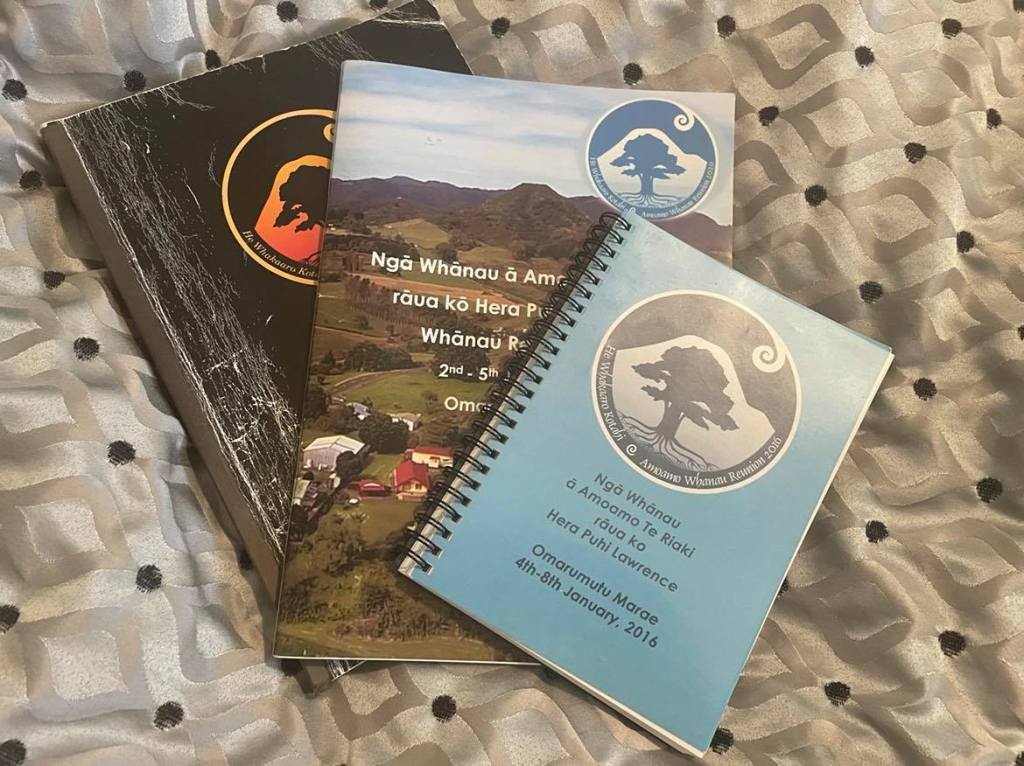
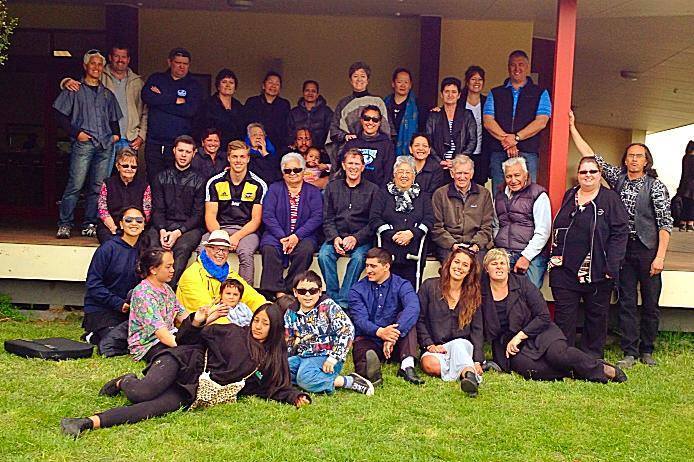
“Te Amoamo Te Riaki Whanau Reunion” Omarumutu Marae Opotiki 4th -8th January 2016. Filming: by Pete, Kelly & Tiwai Saxton and Shari Kameta

Vlogs and Blogs

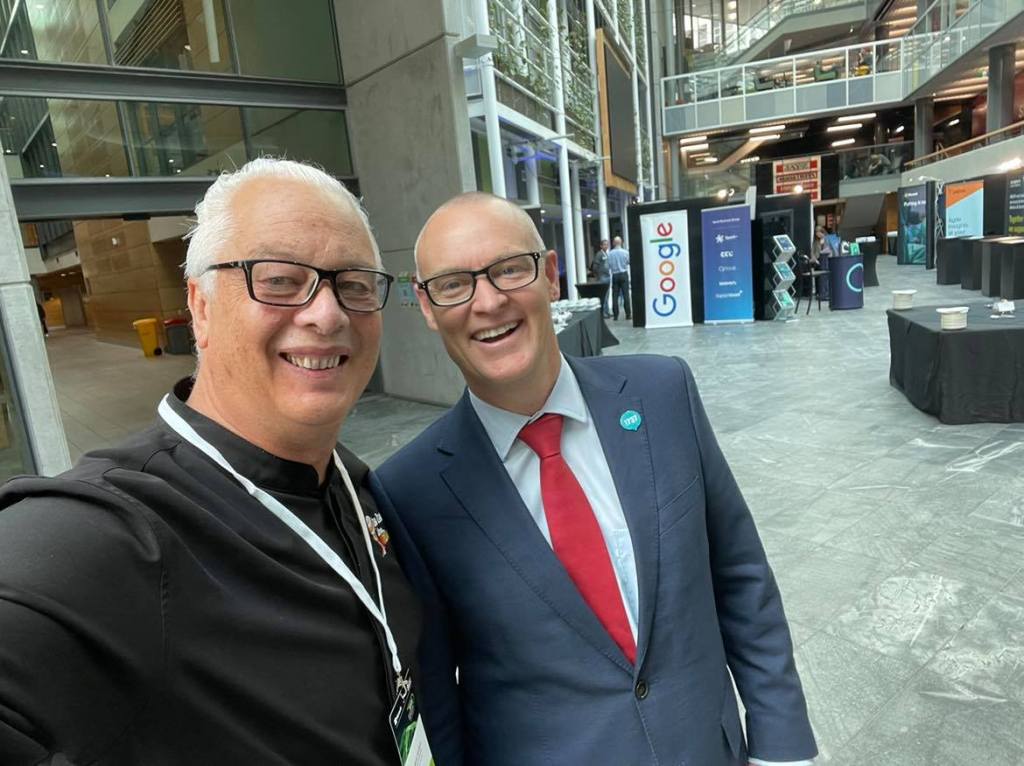
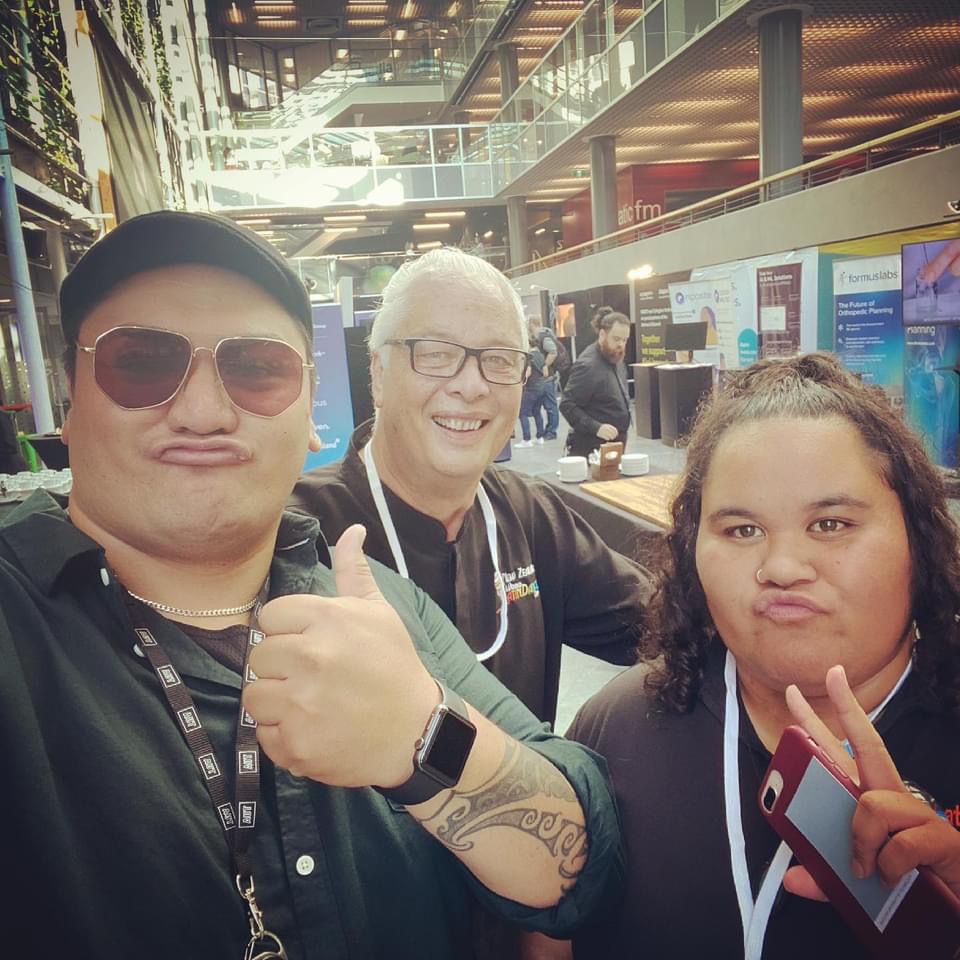
Aotearoa AI Summit – Guest blog

Is there a disconnect between Government policy and actual practice on the ground in the AI field here in Aotearoa?

https://internetnz.nz/news-and-articles/aotearoa-ai-summit-guest-blog/


Newspaper articles


Interactive journalism

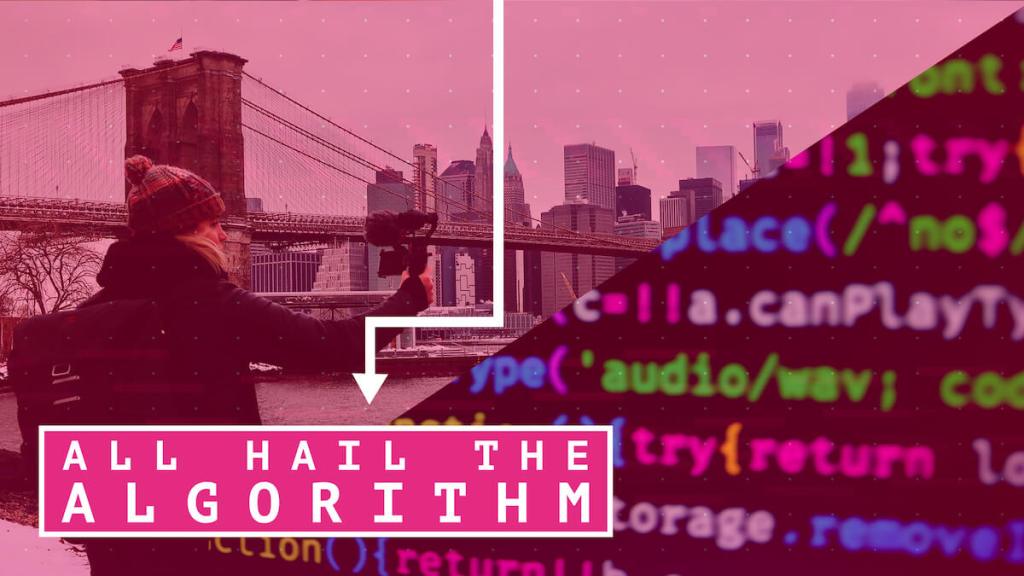
Here’s an example of Interactive journalism: All hail the algorithm by Ali Rae, reporter for Aljazeera

Link to five-part series exploring the impact of algorithms on our everyday lives: https://interactive.aljazeera.com/aje/2019/hail-algorithms/index.html

Journal articles


Poetry


Comic series

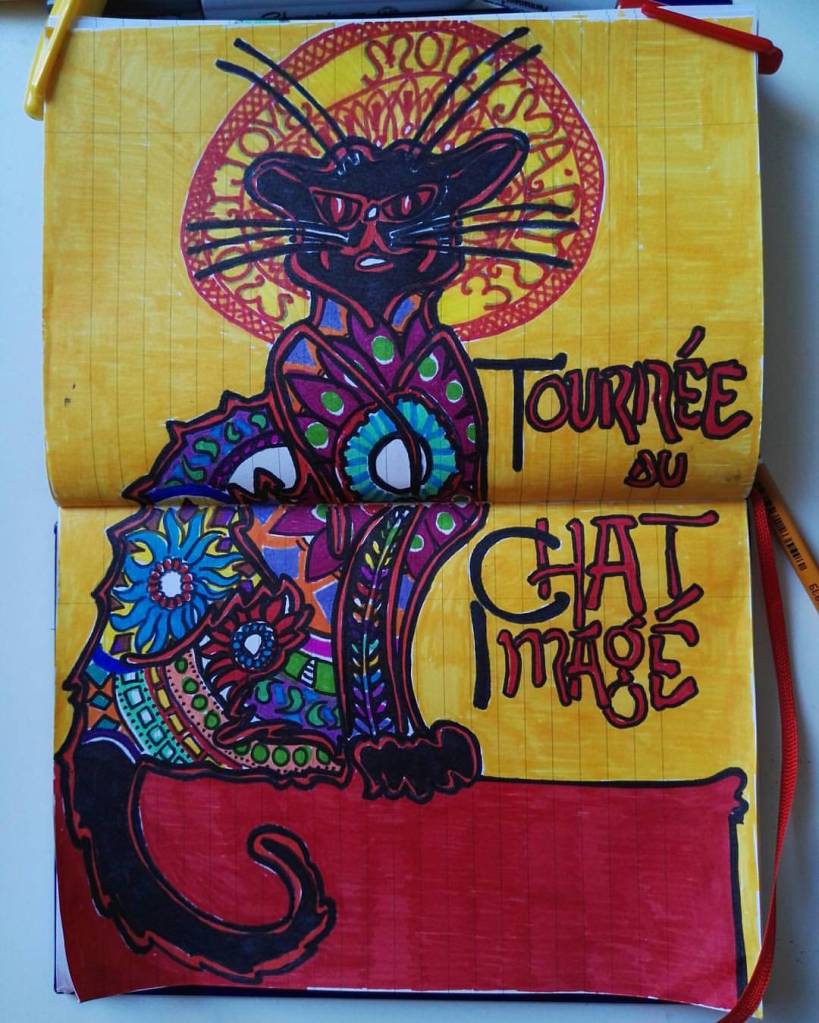
The duddlers, creatists and artists in our whānau hide their talents in plan sight.


Audio podcasts


A series of letters


A set of photographic or graphic posters

“Is Artificial Intelligence the new revolution or the new coloniser of Māori?” (Whaanga, 2020)

Children’s story books


Photographic collections

We have talented photographers in our Whānau who have already provided us with amazing photographic memories.


Song compositions


Visual art expositions


Short stories

Our Cousin Pohutu wrote a pūrākau about our Nanny. The historical commentary was written i roto e te reo Māori anake, with a translated version. Pohutu created this taonga as part of her Te Awa Reo course completed at Te Whare o Awanuiarangi in 2016.

Ngā Tupuna, our Nanny by Pohutu Clark

Virtual / augmented reality stories


Individual and group hui presentations


(e)Books

We are already blessed with a set of Amoamo Whānau Reunion books. We have the expertise, knowledge and skill to write and publish further exemplars. Thank you Aunty Ri, alongside your cousins, nieces and nephews who created our first Amoamo Whānau Reunion in 2006.


Watch this space as our Whānau discover different ways to share our stories.

He taonga toku iho – Treasures of our heritage

A Collective PhD

Tertiary institutes throughout Aotearoa offers a number of Higher Research Degrees awards including: Doctor of Philosophy (PhD), Doctor of Musical Arts (DMA), Doctor of Education (EdD), Doctor of Juridical Science (SJD), Doctor of Laws (LLD), Doctor of Philosophy (Law). These PhD’s can be presented as a PhD by Thesis, a PhD with Publication or a PhD with a Creative Practice Component.

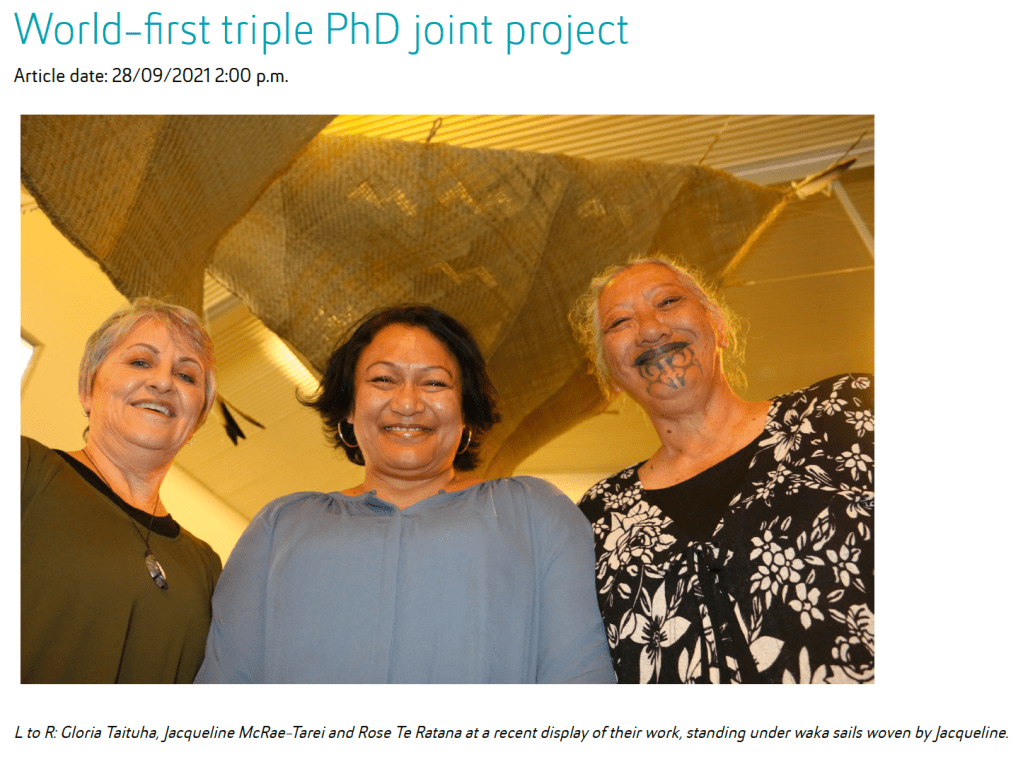
Last week Gloria Taituha, Jacqueline McRae-Tarei and Rose Te Ratana complete what is being recognised to be a world-first award collaborative doctorate in raranga (weaving). The work is a collective demonstration of the mana, academic expertise and detailed knowledge of the three wāhine involved and it is recognised as supportive work towards their individual PhDs.


URL link to Three Kairaranga, Three PhDs: https://youtu.be/Po5Q2eQ2_Cw

E hara taku toa, takitahi, he toa takitini. 

My strength is not mine alone. It is the strengths of my tūpuna, my kaumātua and my whānau


This whakatauki refers to the collective endeavours necessary for the success where the combined efforts of many are needed to complete a project. Collective research can be seen when a group of people work together toward a shared kaupapa rangahau, research goal or research project. Kaupapa rangahau can be seen as the collective vision, aspiration and purpose of a Māori community. Larger than the research project at hand a kaupapa rangahau can refer to the aspirations of the community. Collective research can be seen when people are intrinsically and extrinsically motivated, people working together with a shared vision within the group and using each other’s unique talents and skills to contribute to the success. Collective research recognises that the success of the project is stimulated by diverse perspectives and contributions from each individual. Collective research depends on whanaunga, relations, whether the collective group be two people or a whānau of 100 people.

AI Connecting our Whānau exemplifies such a kaupapa rangahau. Our Whānau will apply our collective unique viewpoints and gifts to so achieve our collective desire to seek ways to connect and remain connected to our past, present and future.


The process of becoming a researcher

The ‘why’ I want to compete a PhD is the motivating factor that drives me to conclude this doctoral journey. And what is the ‘why’? Our research will look at ways in which technologies will promote the wellbeing of our whānau. It is these pictures that encourage me to work our research every day.


I chose to return to Waikato University to complete a PhD as it was on this campus I started my teaching and academic career, Hamilton Teachers College, 1977.


Waikato offers a number of Higher Research Degrees award at Waikato: Doctor of Philosophy (PhD), Doctor of Musical Arts (DMA), Doctor of Education (EdD), Doctor of Juridical Science (SJD), Doctor of Laws (LLD), Doctor of Philosophy (Law); and these PhD’s can be present as a PhD by Thesis, a PhD with Publication or a PhD with a Creative Practice Component

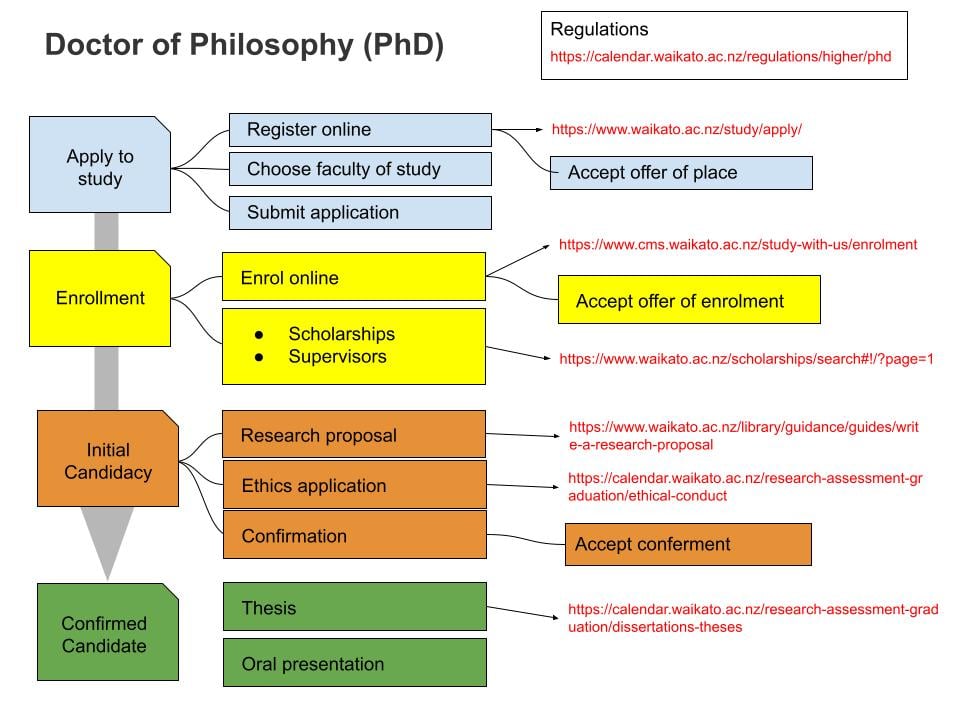
The process and procedures you are required to follow before you even start the writing are vigorous and at time impossible to find. I don’t profess to know the official way, however, I do share the series of steps I took to get to officially start my research.

Above is a pictorial diagram highlighting the process journey I took to get where I am now. There are 4 stages and within these stages are 12 phases, and again these steps need to be completed before you’re considered a PhD candidate.

This link: https://calendar.waikato.ac.nz/regulations/higher/phd has a lot of information, however, other url’s have been added to hopefully may help your processes journey.

Ngā mihi nui, ngā mihi aroha

Tūtātmure and Hine-i-Kauīa


I doze, I sleep, I dream, my reality. I have been tasked to accompany Hine-i-Kauīa, the daughter of Muriwai. Our destination, Ōpōtiki-mai-tawhiti. A position of control is destined, bone through matrimony. The whakapapa now explains the relatedness uniting the descendants of ngā waka Nukutere and Mātaatua. Ōmarūmutu marae, elevated above Te Moana-nui-a-Kiwi with Whakaari cradled on the horizon; with panoramic views to the south of the Rāhui Valley and up to Kapuārango in the interior of the Waiaua Valley to the south-west, and within the landscape icons of Mākeo, the impressive coned shaped fortress and the meandering river of the Waiaua; sees established the seat of power of Tūtātmure and Hineikauīa and signifying the tribal aphorism:

Ko Mākeo to maunga, ko Waiaua to awa, ko Tūtāmure raua ko Hine-i-Kauīa nga tangata.

I am awake. I take my place on the surf club control tower. My eyes peel to the east where I imagine Tārawa and his companions rollicking, reposed at the mouth of the Waioeka and Otara rivers and further along the coastline to Hukawai and Tirohanga where Omarumutu holds its position. To the fore Whakaari, White Island stands proud on the horizon, gentle puffs of volcanic vapour egress the island’s vertex. To the west, I pick up the silhouette of Moutohora, Whale Island that watches over the whānau of Muriwai. Tangaroa connects Nukutere and Mātaatua.


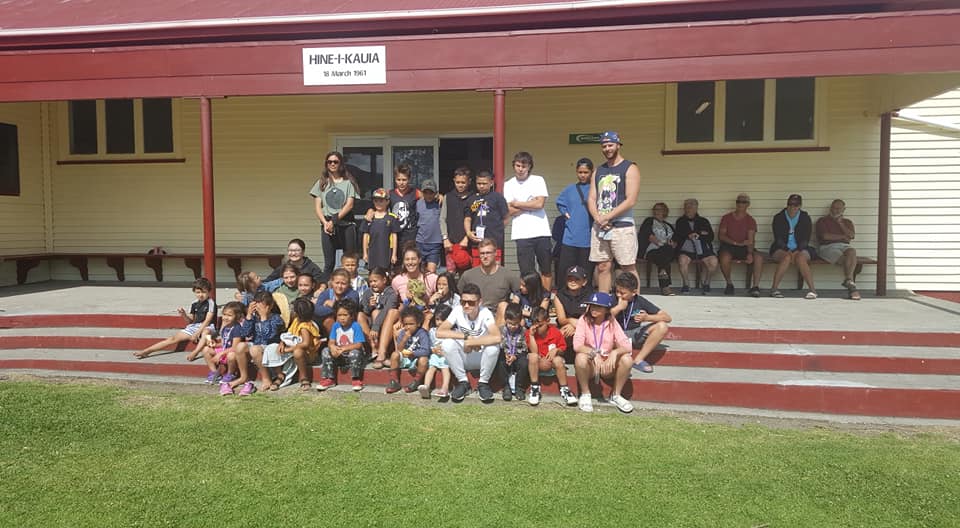
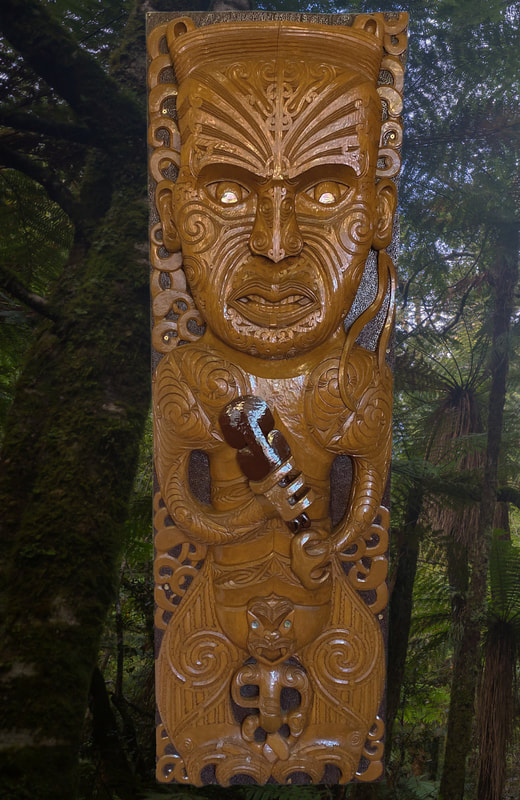
Hine-i-kauia, Whare kai, dinning hall, Omarumutu Marae

Picture source: The Journal of the Polynesian Society


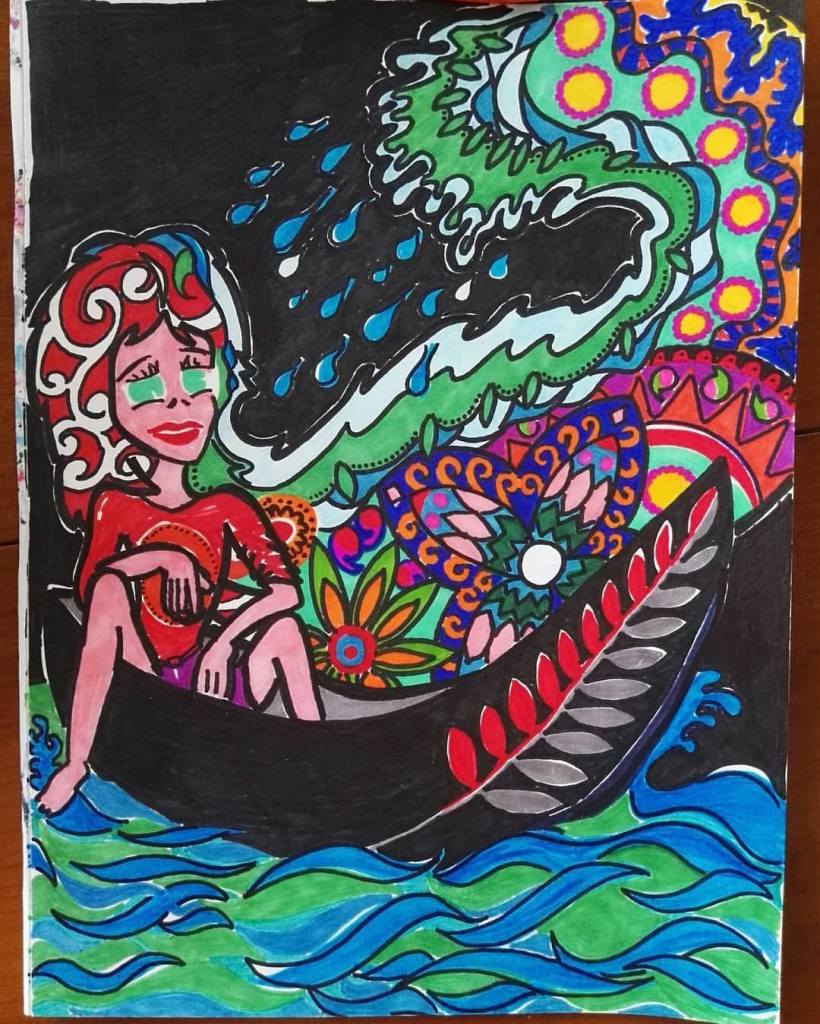
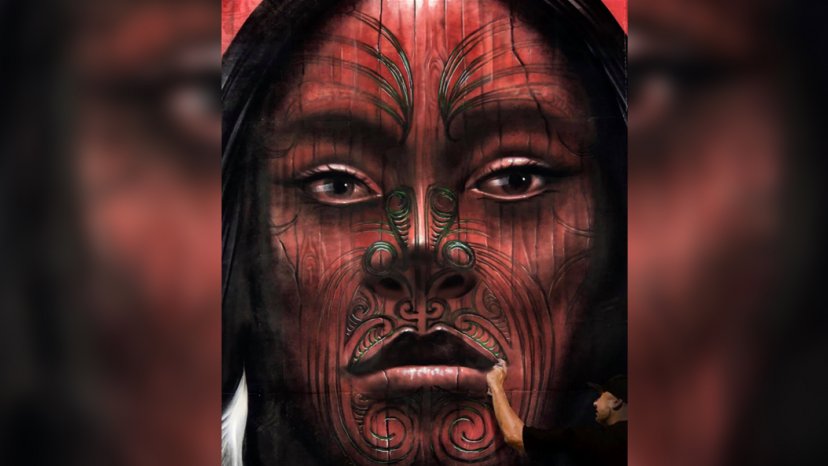
Our Tīpuna Muriwai by Mr G.
Picture source from Te Ao Māori News

Tūtāmure

I doze, I sleep, I dream, my reality. Thirty generations from I. Forward, at, back, to Tautūrangi. Halfway from I, forward, at, back, to our Whakatōhea founder. I am favoured to watch over the newborn. A warrior from the South, returning from the West, scarred as an inheritance from the battles in those lands, Kahungunu, bestowed his defacement of humiliation, the prickled spines of a snapper, to my overwatch – Tūtāmure, pricked by a snapper. Shame is messaged through the fortifications of Peketūtū Pā and Poutōtara and Okāharuru. The belittlement of whānau in the South requires redress. The formidable defences of Maunga-a-kāhia have been penetrated, the Chief of the South asks who is attacking my pā? “Ka rangaranga te muri ka tūtū ngā tūātara o te tāmure. Ko te tangata nāna i noho te whakarua, ko au! ko au! ko Tūtāmure.” (When the sea breeze blows from the north the spines of the snapper stand [and cleave the waters]. It is the man who settled the valley [of Waiaua]. It is I, it I, it is Tūtāmure!)

On realising this was his own nephew, Kahungunu dressed his daughter, Tauhei and sent her to the enemy camp as a peace contribution. Tūtāmure and his brother Tama Taipūnoa were sitting alone on the arrival of Tauhei. Tauhei, not knowing which brother was in command, bowed before the younger brother. Tūtāmure, slighted by the deed, withdrew to the shoreline to calm his wrath. Discovering a pool of clear, still water he reflected his predicament. His mirrored disposition produces an exclamation, “Oh, I am indeed ugly.” This place is known as Te Wai-whakaata-Tūtāmure, the mirror pool of Tūtāmure. With his composure regained, Tūtāmure went back to his brother and granted his marriage to Tauhei under the condition that they would never again gaze upon the vapours emitted from Whakaari.

I am awake. The positioning of my six-metre long surf ski on the wave ensures a euphoric splash. I drop down the face of the wave, my speed accelerates, the subtle shift of body weight creates smooth lines, more speed and the spray from the rails of my ski are uniformly alluring. Tangaroa has had enough. Fingers grab at the back deck of my ski flicking my craft side on to the green door. I can’t kick out. The back door has closed. Oh, this is indeed ugly!


Tūtāmure
Picture source: Whakatōhea Trust Board
http://www.whakatohea.co.nz/t299puna.html

Nukutere


I doze, I sleep, I dream, my reality. The shoreline breaks with the colourless sands and the viridescent of Papatūānuku but an indentation within this picturesque scene takes my eye as we seek the harbour for anchorage of the Nukutere. Our commander, the ocean-going navigator, known by many names, Whiro, Whironui, Iro and Iro-nui-māota, is at the helm. We are travelling with Whakaari directly on our stern, the outcrop of a rocky tapered end to our port. Our tīpuna, Tārawa has already stepped foot on this location, our landfall will be Awaawakino. Whiro threads our vessel carefully through the rocks to a cove called Te Rangi where the Nukutere is moored.  Our whānau number many. Whiro is eager to continue to travel east. I disembark with Tautūrangi, his wife Rangitaka and their followers. We stand with the tide lapping at our legs, Papatūānuku at our backs, the expense of Moana-nui-a-Kiwa in our foreground giving thanks to the creator, for the blessings bestowed on us, our past, our present, our future.    

I am awake. My reality, captured in a single moment. Whakaari behind me, pohutukawa in full bloom on my bow. Seated atop a yellow surf ski, the roar of crashing waves on Waiotahe beach ahead, the continuous salt spray jets around me, the atmosphere of bursting bubbles surge beside me. I lean onto the paddle blade to change my direction slightly, transversing the wave so to catch another rush of a sudden powerful forward and upward movement, the ribbon of the ski sits in the deep blue of the wave. Tangaroa provides excitement, exhilaration and further anticipation. I am in my past, in my present, in my future. 


Tārawa

Ko ahau te moana. Ko te moana ko ahau

I am the sea. The sea is me. 


I doze, I sleep, I dream, my reality. My brothers have left, I lie awake wondering what new adventures they are up to across the vast ocean of Te Moana-nui-a-Kiwa. I have made that journey numerous times before, and I long to relive that excitement. I find myself swimming alongside my two companions, my two pet tānahanaha. We ride the waves together. We are one with Kiwa riding the back of the waves, playing the curl of the waves, flying the crest of the waves. We are the waves; the waves are us. Bystanders watch from under the brilliant display of red. The bleached sands covered in driftwood beckons the waveriders, calling my companions and me to the shore. We rest, a spring supports and soothes our exhausted bodies, ngā tānahanaha are at home, the spring is their home, the spring of  Ōpōtiki-mai-tawhiti. Tihei mauri ora!   

I am awake. The early morning sun teases with anticipation of the day. I share a car ride back to Ōpōtiki, back for a day on the beach with my local surf club mates. The pohutukawa are in full bloom, and it’s only early season. The spray glistens off the one-metre brake, forming a perfect line, must be one hundred metres offshore. A lone rider sits upon.ski, facing the gentle puffs of Whakaari sitting on the horizon, not looking for a wave but being with the wave.

My connection home is Tangaroa. I paddle the ebbs and flows of a hundred taniwha which binds me to the soul-prints of my tūpuna who stood amongst the coastal resources of my tribal homeland. I sit astride my surf ski in the soothing waters of Te Moana-nui-a-Kiwa looking at the ridge from where Tārawa was first sighted afloat his pae rātā, home in Ōpōtiki-mai-tawhiti.

Tihei mauri ora   

Waiotahe Beach looking East – Troy Baker (https://www.exploretheeastcape.co.nz/waiotahe-beach.html)

“Is Artificial Intelligence the new revolution or the new coloniser of Māori?”


3 Minute Thesis presentation, Waikato University 2020

My Whānau and I are descendants of Tūtāmuri. 

We are Te uri o Patumoana raua ko Raikete Amoamo

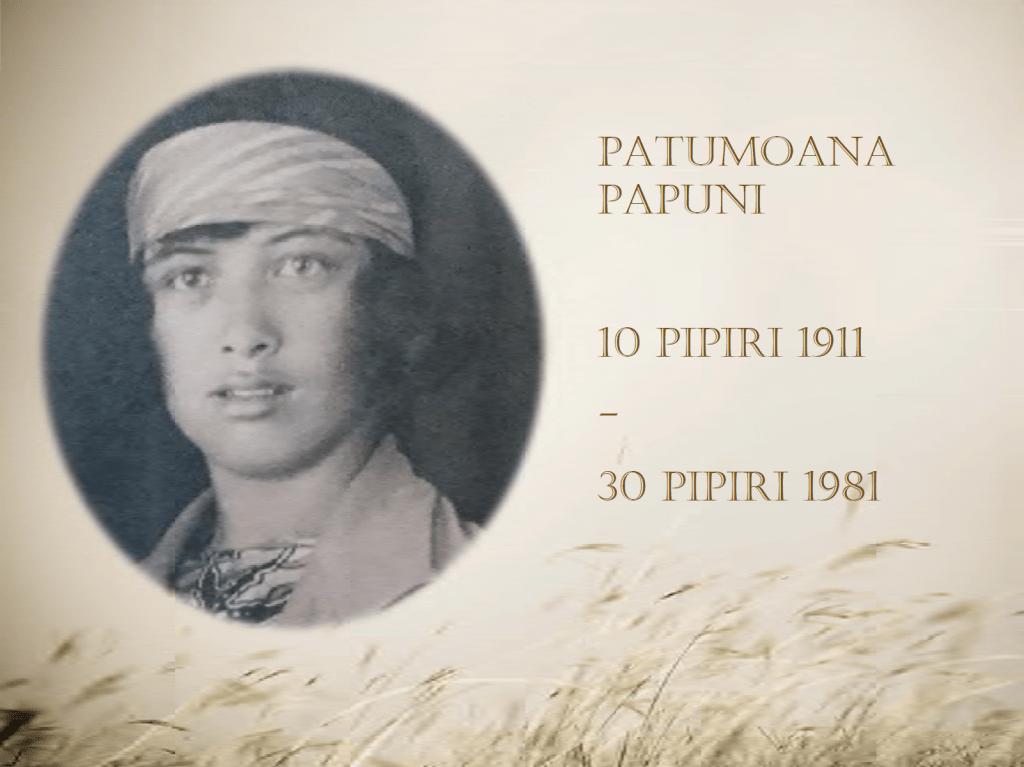
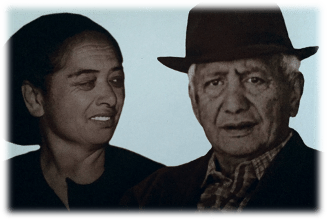
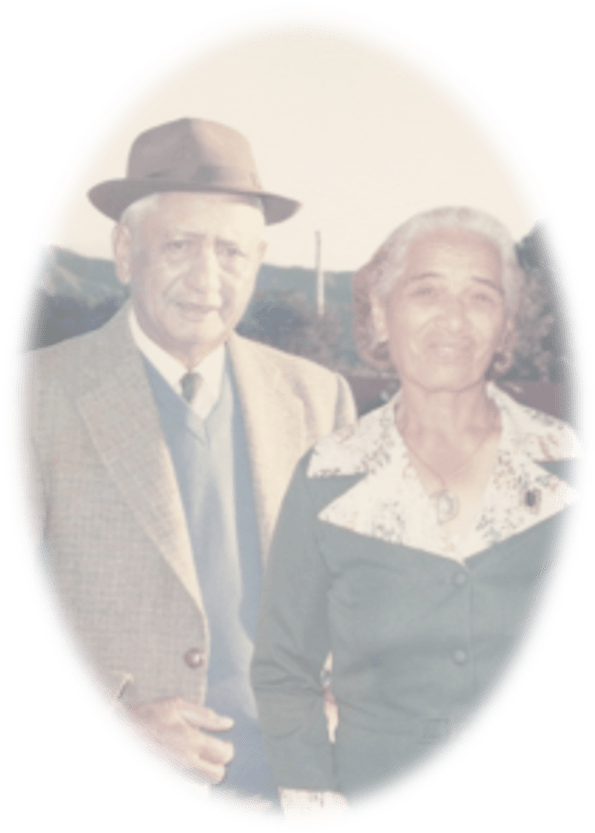
Nanny and NannyPa: Patumoana & Raikete Amoamo

Our tribal land is the Whakatōhea. 

Our ancestors were legendary seafarers, historians, protectors of our genealogy, acclaimed orators and the guardians of the many treasures that surrounded them.

Post-colonisation. Māori are now over-represented in underachievement in education, poor health, dependency on welfare and incarceration. These poor statistics exacerbate the inequalities in our country inflamed by individual and institutional racism.

In Aotearoa, it is public knowledge that algorithms are now being used by ACC, Corrections, Healthcare and the Police to try to predict behaviour. The over-representation of Maori exhibited in poor statistical rates are now evolving in imperial dominated algorithms and are proving to amplify biased stereotypes in Artificial Intelligence systems.

When Dr Hēmi Whaanga asked Professor Rangi Matamua his thoughts on the impact of new technologies, Professor Mātāmua responded, “Is Artificial Intelligence the new revolution or the new coloniser of Māori?”

This research will examine the way my whanau, including tohunga or spiritual experts, data scientists and thought leaders, how we want to respond to dominant colonial cultured technologies and to find ways to ensure that a new coloniser does not become a reality. 


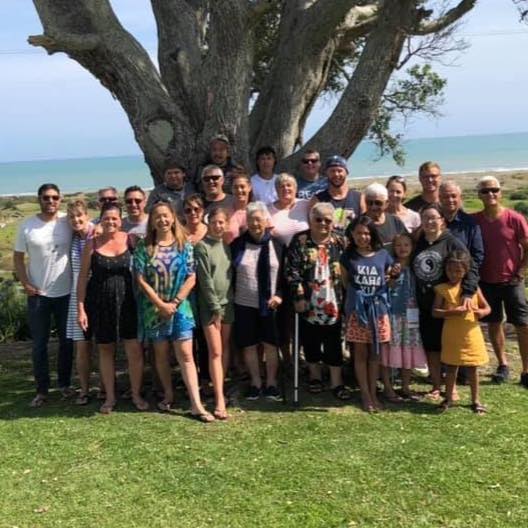
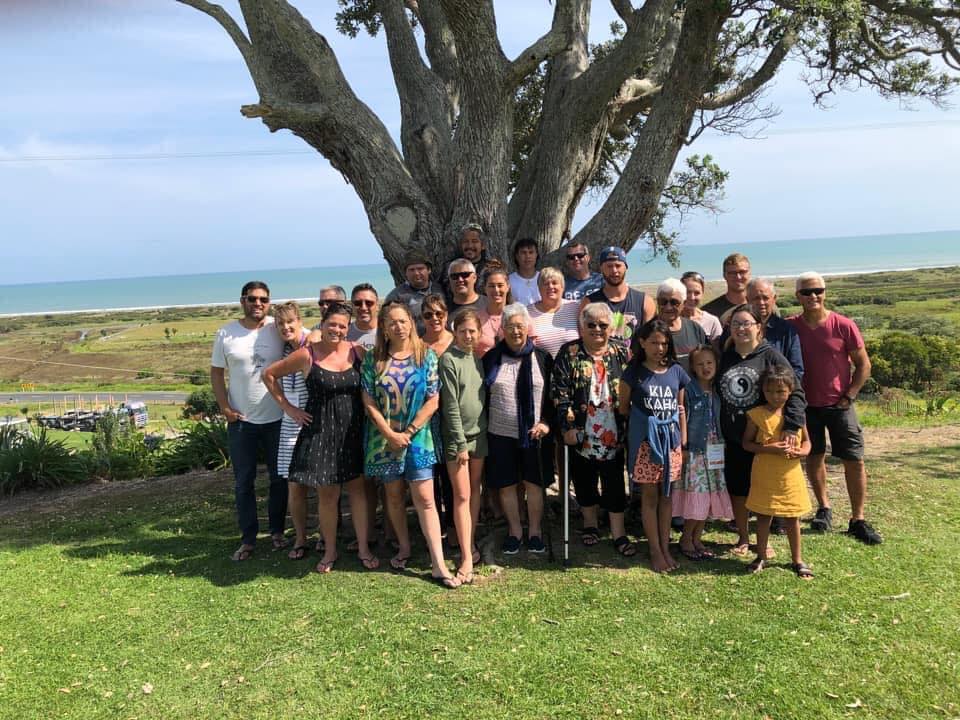
Te Uri o Patumoana raua ko Raikete Amoamo – Whānau Amoamo Reunion 2020

Our research is grounded in kaupapa Māori theory which means we can conduct research by Māori, with Māori and for Māori in our Whakatōhea tribal context. Whakawhanaungatanga, or relationship building is at the heart of this investigation. We as whānau will engage wānanga kōrero sharing our experiences with technologies providing suggestions around governance and intellectual protocols which will then be woven into algorithms that will inform the building of next-generation Te uri o Patu raua ko Raikete Amoamo AI systems.

Our whanau research will help identify the conceptual elements of tikanga Māori that will help us to shape the development of Māori AI.

My whānau and I are the guardians of these gifts. 

No reira, tēna koutou, tēnā tatou te whare