The process of becoming a researcher

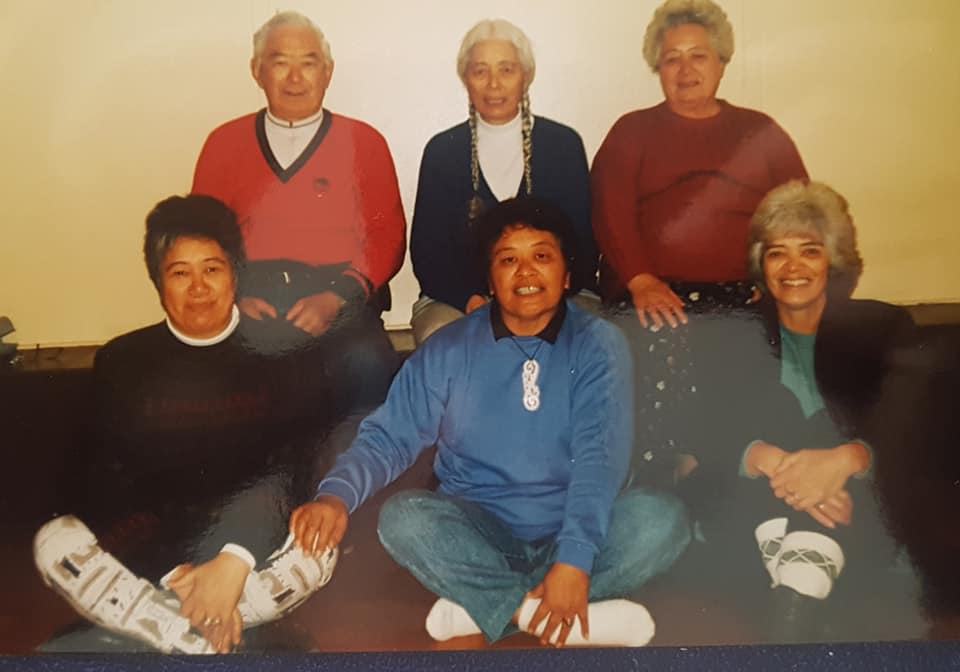
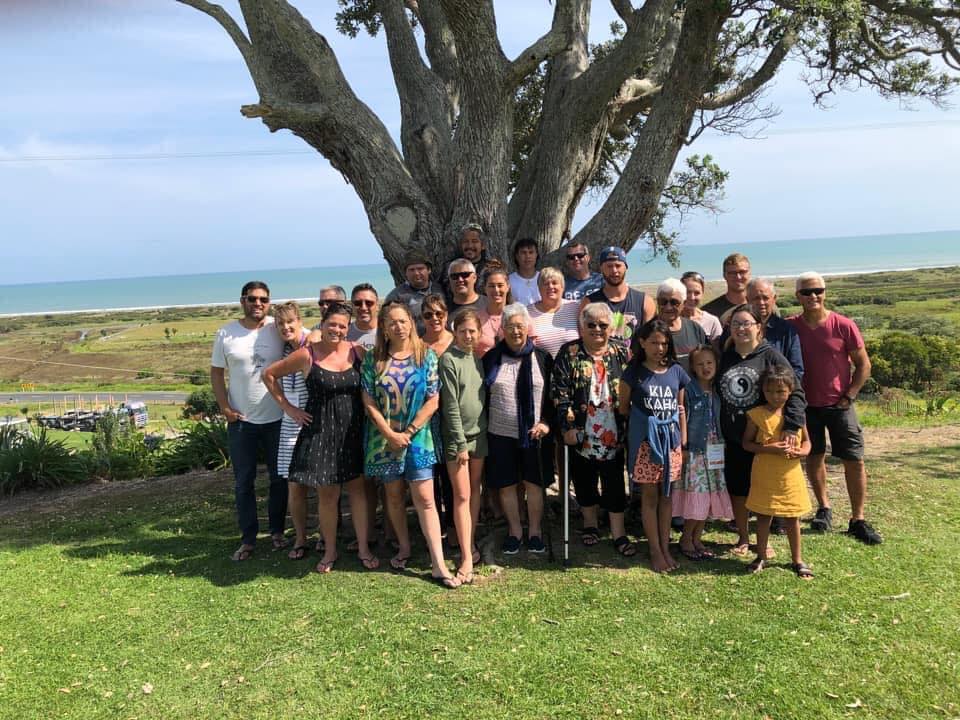
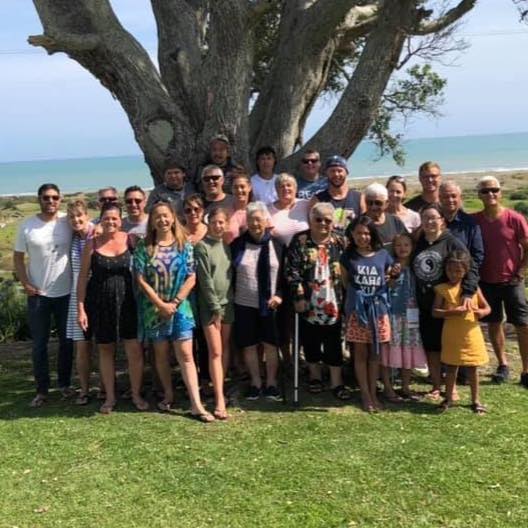
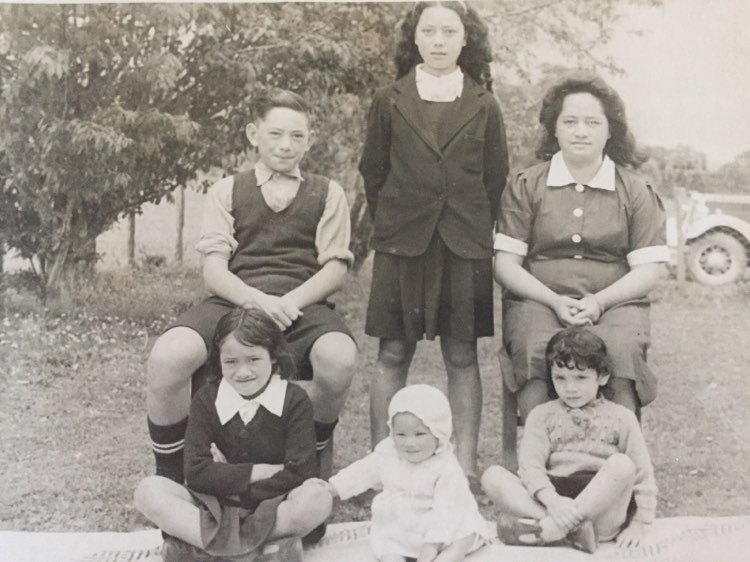
The ‘why’ I want to compete a PhD is the motivating factor that drives me to conclude this doctoral journey. And what is the ‘why’? Our research will look at ways in which technologies will promote the wellbeing of our whānau. It is these pictures that encourage me to work our research every day.
I chose to return to Waikato University to complete a PhD as it was on this campus I started my teaching and academic career, Hamilton Teachers College, 1977.
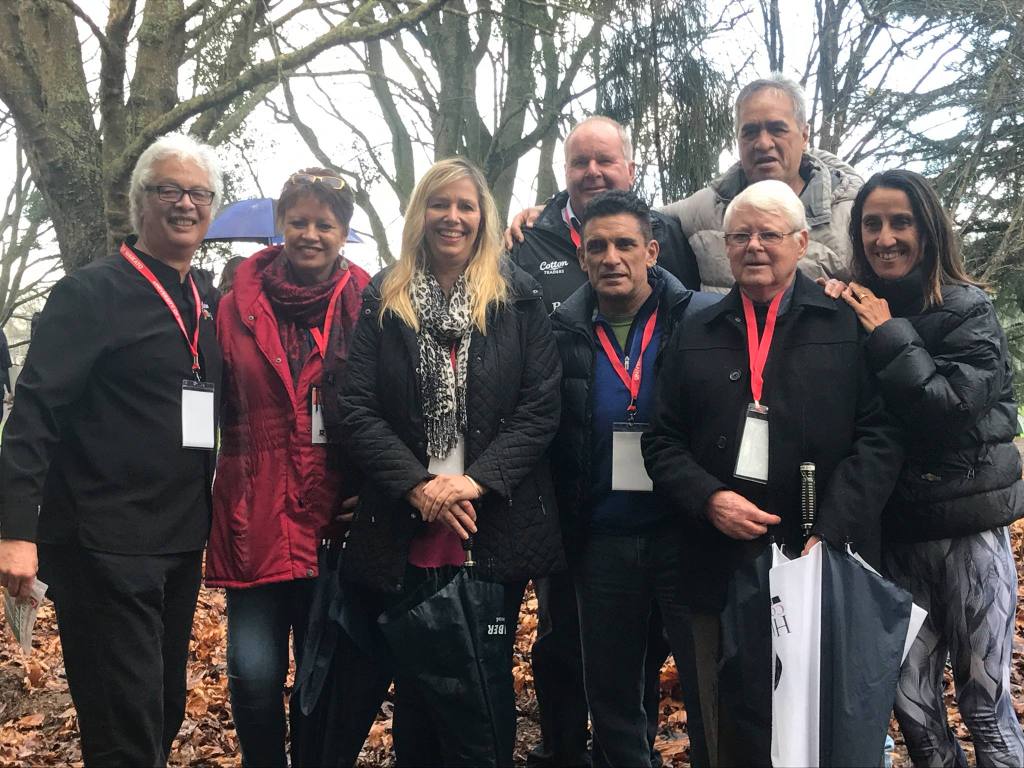


Waikato offers a number of Higher Research Degrees award at Waikato: Doctor of Philosophy (PhD), Doctor of Musical Arts (DMA), Doctor of Education (EdD), Doctor of Juridical Science (SJD), Doctor of Laws (LLD), Doctor of Philosophy (Law); and these PhD’s can be present as a PhD by Thesis, a PhD with Publication or a PhD with a Creative Practice Component

The process and procedures you are required to follow before you even start the writing are vigorous and at time impossible to find. I don’t profess to know the official way, however, I do share the series of steps I took to get to officially start my research.
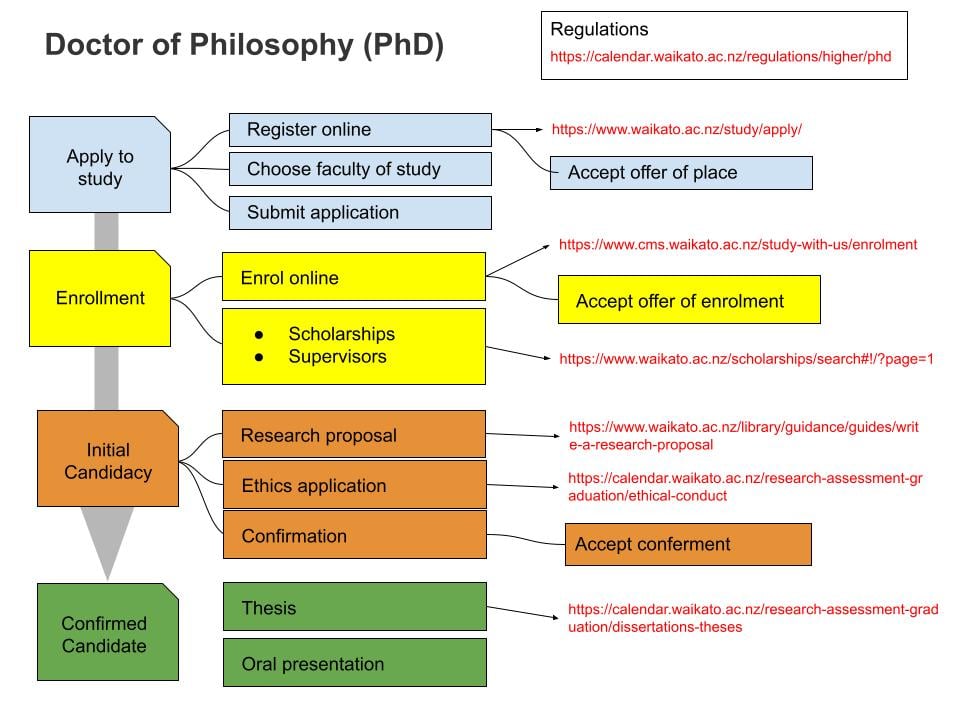
Above is a pictorial diagram highlighting the process journey I took to get where I am now. There are 4 stages and within these stages are 12 phases, and again these steps need to be completed before you’re considered a PhD candidate.

This link: https://calendar.waikato.ac.nz/regulations/higher/phd has a lot of information, however, other url’s have been added to hopefully may help your processes journey.

Ngā mihi nui, ngā mihi aroha
“Is Artificial Intelligence the new revolution or the new coloniser of Māori?”


3 Minute Thesis presentation, Waikato University 2020

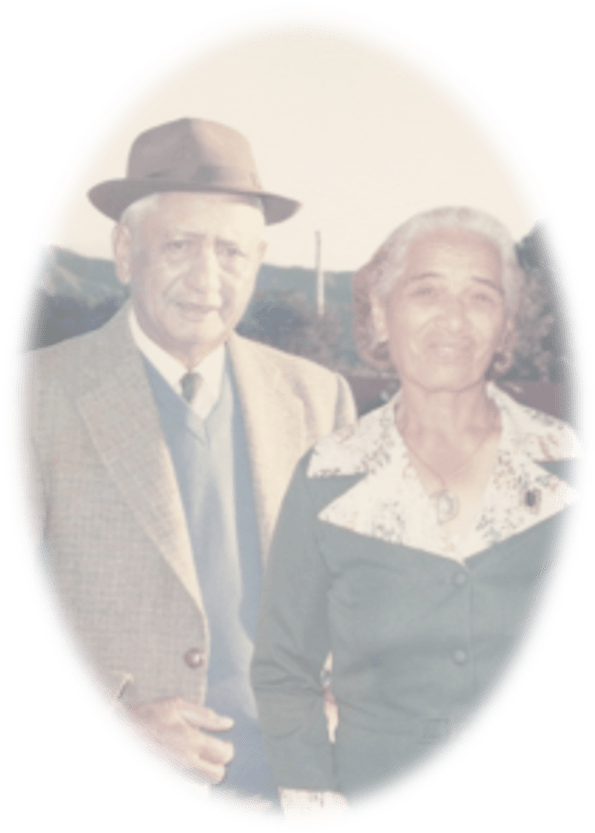
My Whānau and I are descendants of Tūtāmuri. 

We are Te uri o Patumoana raua ko Raikete Amoamo

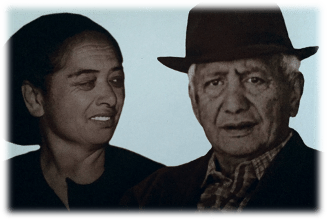
Nanny and NannyPa: Patumoana & Raikete Amoamo

Our tribal land is the Whakatōhea. 

Our ancestors were legendary seafarers, historians, protectors of our genealogy, acclaimed orators and the guardians of the many treasures that surrounded them.

Post-colonisation. Māori are now over-represented in underachievement in education, poor health, dependency on welfare and incarceration. These poor statistics exacerbate the inequalities in our country inflamed by individual and institutional racism.

In Aotearoa, it is public knowledge that algorithms are now being used by ACC, Corrections, Healthcare and the Police to try to predict behaviour. The over-representation of Maori exhibited in poor statistical rates are now evolving in imperial dominated algorithms and are proving to amplify biased stereotypes in Artificial Intelligence systems.

When Dr Hēmi Whaanga asked Professor Rangi Matamua his thoughts on the impact of new technologies, Professor Mātāmua responded, “Is Artificial Intelligence the new revolution or the new coloniser of Māori?”

This research will examine the way my whanau, including tohunga or spiritual experts, data scientists and thought leaders, how we want to respond to dominant colonial cultured technologies and to find ways to ensure that a new coloniser does not become a reality. 


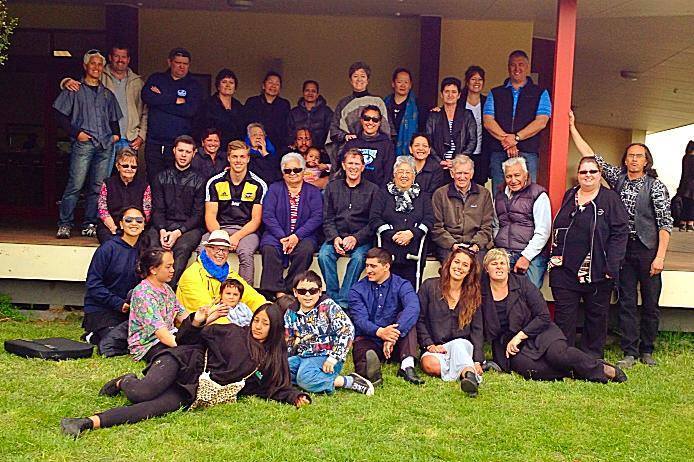
Te Uri o Patumoana raua ko Raikete Amoamo – Whānau Amoamo Reunion 2020

Our research is grounded in kaupapa Māori theory which means we can conduct research by Māori, with Māori and for Māori in our Whakatōhea tribal context. Whakawhanaungatanga, or relationship building is at the heart of this investigation. We as whānau will engage wānanga kōrero sharing our experiences with technologies providing suggestions around governance and intellectual protocols which will then be woven into algorithms that will inform the building of next-generation Te uri o Patu raua ko Raikete Amoamo AI systems.

Our whanau research will help identify the conceptual elements of tikanga Māori that will help us to shape the development of Māori AI.

My whānau and I are the guardians of these gifts. 

No reira, tēna koutou, tēnā tatou te whare